There is something deeply disillusioned about what is playing out today around Nacon in France. Behind the official press releases, the release announcements, and the stated ambitions, a more fragile, more human, and above all more troubling reality is taking shape.
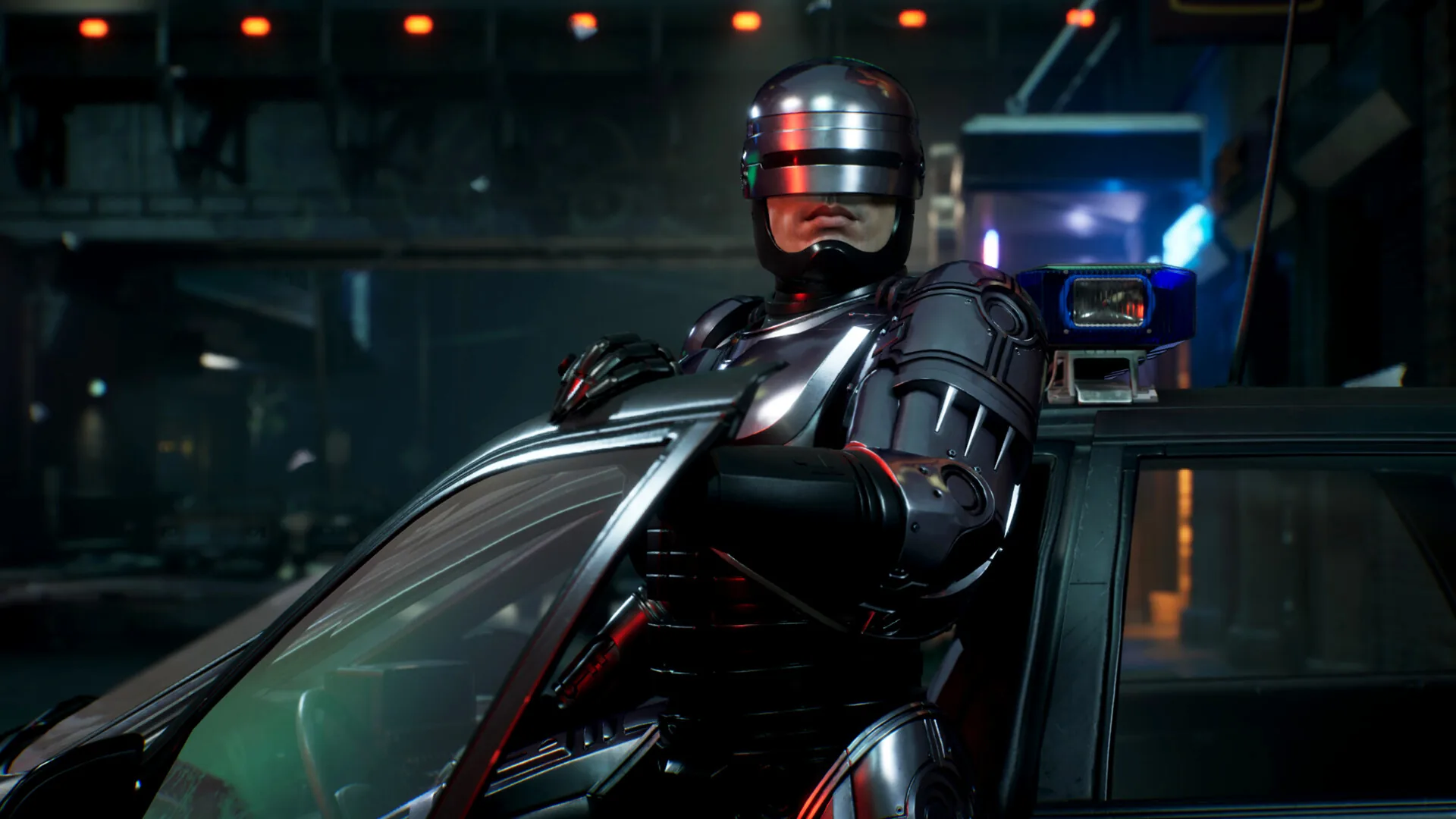
Nacon has established itself in recent years as a significant player in European video games, multiplying studios, licenses, and investments. On paper, everything seemed to be going in the right direction: rapid growth, diversification, a drive to compete with the big names.
But this expansion has a cost.
Reports point to increasing pressure on teams, restructurings, and a difficulty in maintaining coherence across projects. By trying to move fast everywhere, the company sometimes gives the impression of spreading itself too thin, at the risk of exhausting the people who actually make the games.
We often talk about numbers, sales, strategy. But we too easily forget the people behind these decisions.
Developing a video game is demanding work, often driven by passion. When conditions deteriorate, with tight deadlines, lack of resources, internal uncertainty, and entire teams bear the weight. And with them, a part of the creativity.
What makes the situation sad isn't just the state of one company. It's the idea that talented people, sometimes brilliant ones, might find themselves doubting, burning out, or even leaving an industry they love.
Add to that a sometimes mixed critical reception for some recent games. Projects perceived as unfinished or too ambitious for their means have eroded public trust.
In an industry where reputation is everything, every release becomes a gamble. And when several projects disappoint, it's not just a game that's being judged: it's a whole vision.
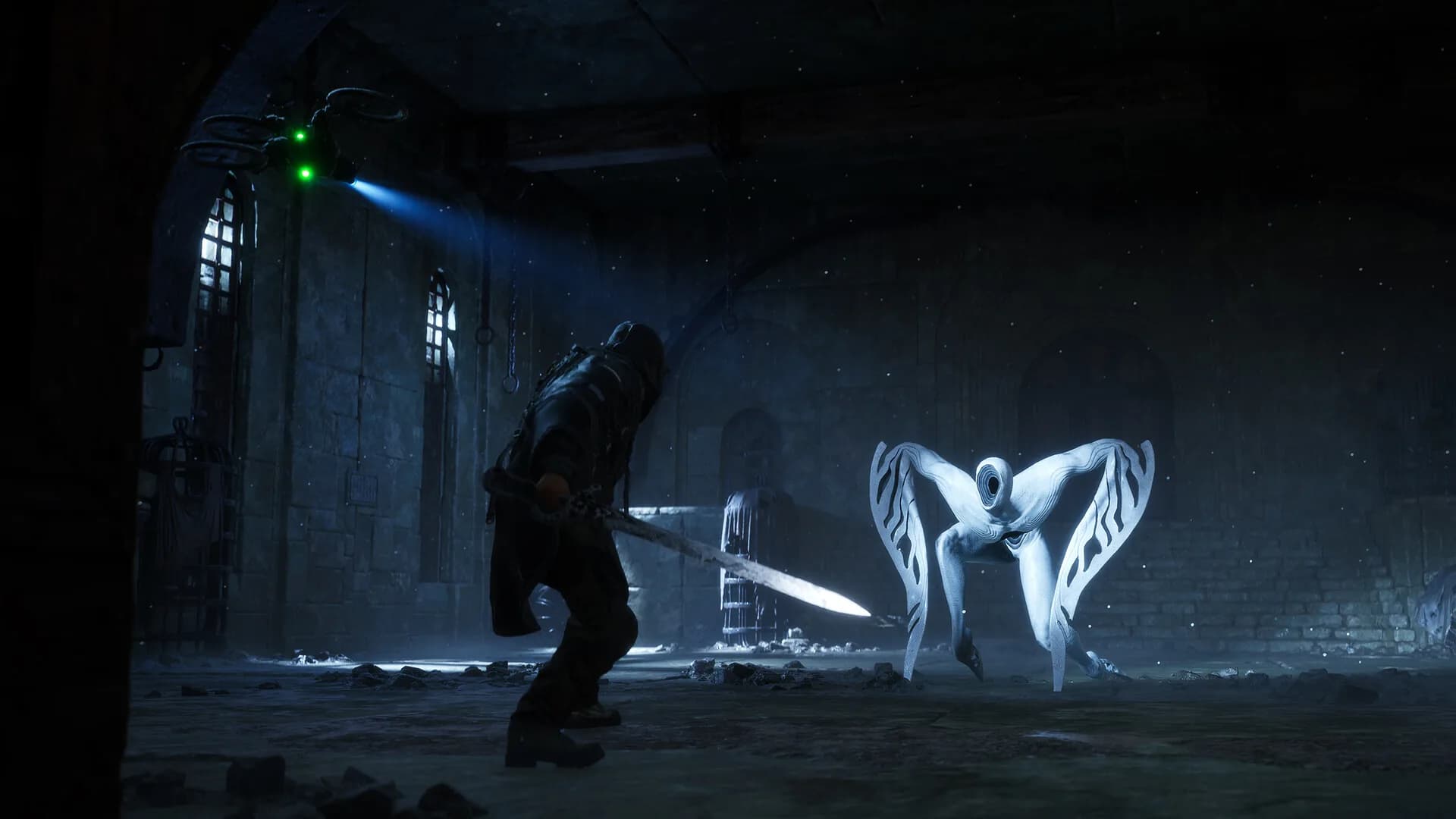
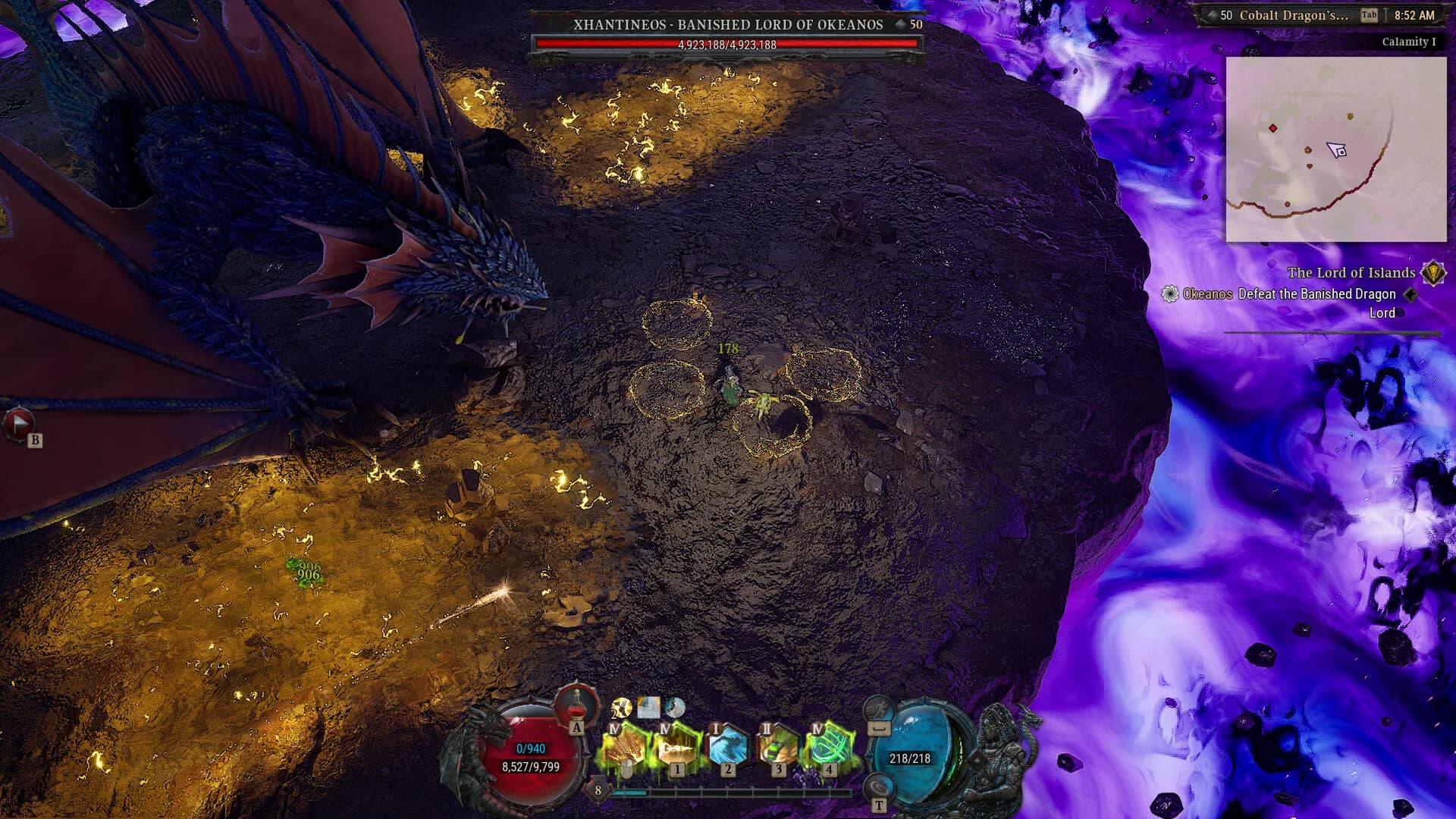
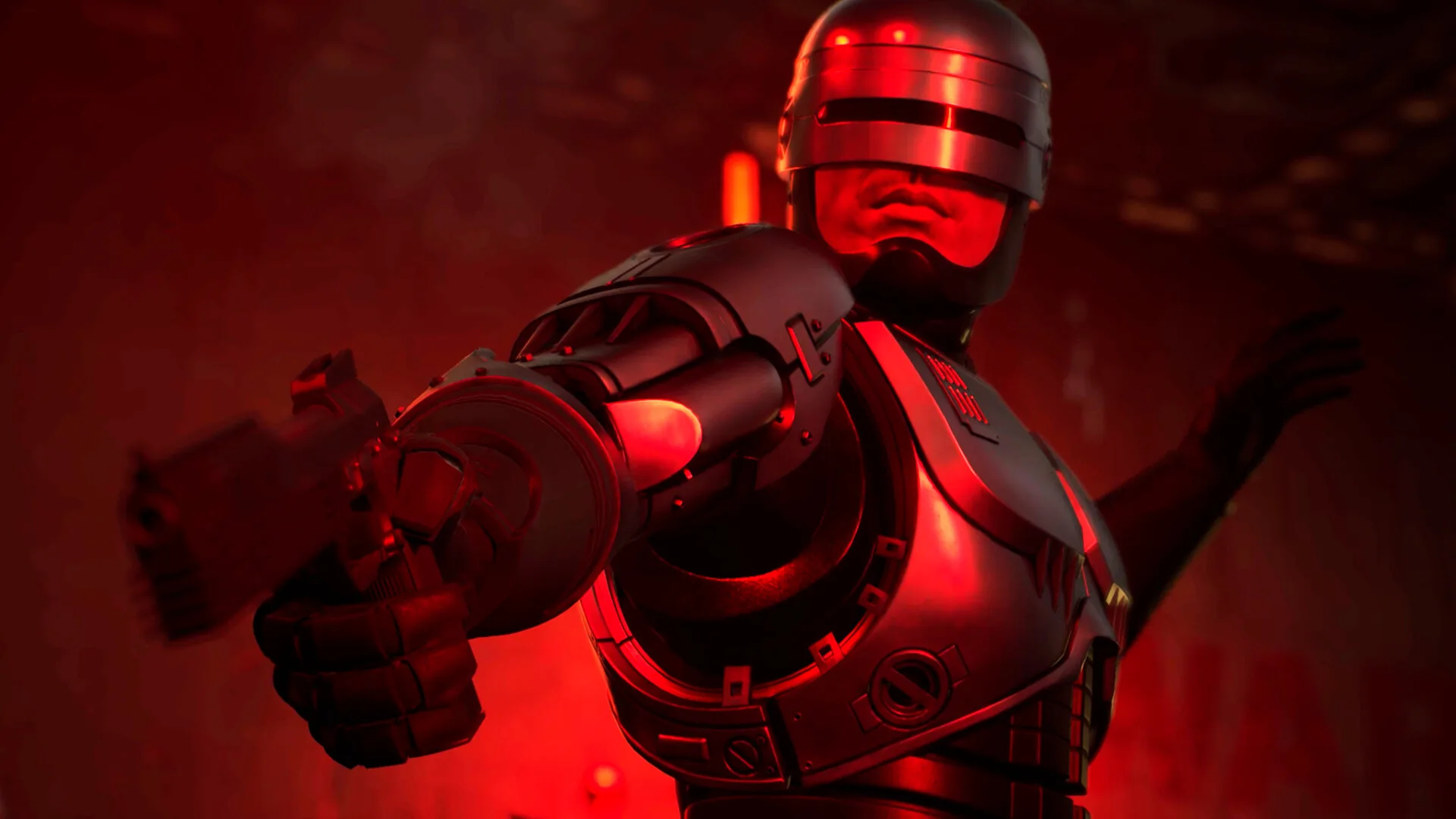
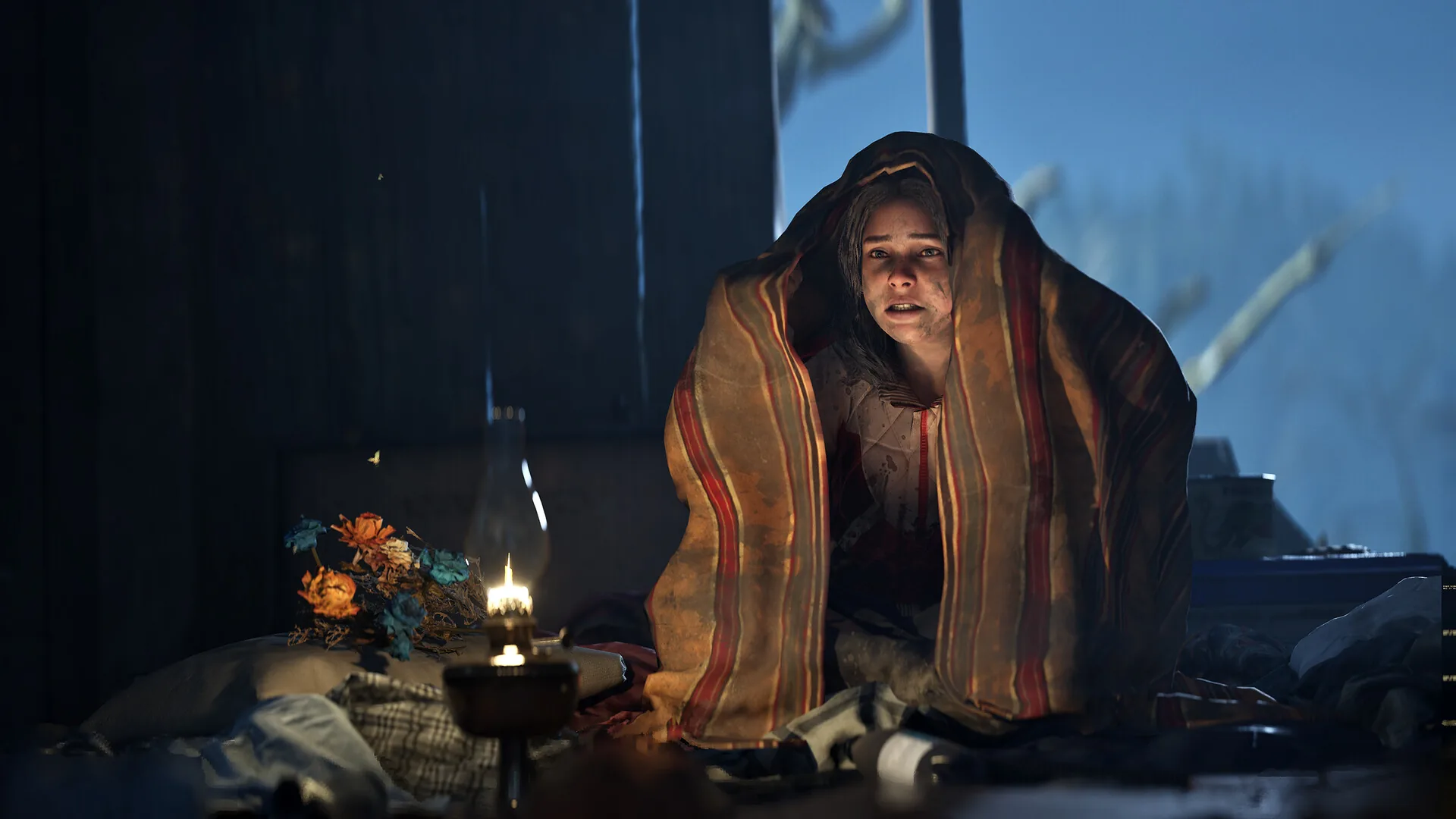
Titles like RoboCop: Rogue City had nonetheless shown that Nacon is capable of the very best when the conditions are right. Hell is Us and Dragonkin: The Banished carried real ambition. The problem isn't an absence of talent, but the environment in which that talent operates.
What's playing out here goes beyond the case of a single company.
It reflects a sector under strain: rapid but unstable growth, enormous public expectations, constant economic pressure. Nacon becomes, despite itself, a symbol of these contradictions. A company that wanted to grow fast, but finds itself confronted with the human and structural limits of that ambition.
The phenomenon isn't new. We've seen it at other European studios that burned through the stages: the promise is great, the resources follow for a time, then reality catches up with the plans. What's different this time is that the signals are coming from the inside.
Nothing is irreversible. The history of video games is full of rebirths, of healthy reckonings.
But for that to happen, it will probably be necessary to slow down, listen more closely to the teams, and accept that creativity cannot be forced. Fewer projects, better supported, with realistic timelines: that's often how you build a lasting reputation rather than fragile growth.
Because at the end of the day, what makes this situation so sad isn't the failure itself. It's the feeling that it could have been avoided.
Chronicle written from public information and testimonies gathered within the industry. Nacon was not contacted for a right of reply in connection with this article.
Come and carry the conversation on over on our Discord.


