Dossier
Paris Games Week 2026: who is coming, what you can play, and the evening not to miss
22 to 25 October, fifteen years of the show, Game of Roles at the Dome de Paris, and 300 square metres for French studios.
Alexandrosse
10 min
AAA games keep getting bigger, more expensive, more technically impressive. But less and less interesting. Meanwhile, independent games are taking a different direction riskier, more personal, and more often genuinely memorable.
Alexandrosse
There was a time when AAA games represented the peak of video games. The most beautiful, the most ambitious, the most defining. The ones people talked about for years. The ones that showed what the medium could do.
Today, something has shifted.
AAA games keep getting bigger. More expensive. More technically impressive. But less and less interesting. Meanwhile, independent games are taking a different direction. Riskier. More personal. More often genuinely memorable.
This isn't a trend. It's a structural change.
The problem with AAA games isn't their quality. It's their predictability.
Massive open worlds, calibrated progression systems, mechanics recycled from one instalment to the next, experiences designed to appeal to the broadest possible audience without ever risking upsetting anyone. The result: games that are often solid, technically above reproach, but interchangeable.
You play one AAA. Then another. And the feeling is the same. No bad surprises. No good ones either. Nothing really surprises you. Nothing unsettles. Nothing sticks.
This isn't an accident. It's a strategy. A game with a hundred-million-dollar budget has to sell. Massively. It can't afford to take polarising positions, experiment with uncertain mechanics, or adopt a radical art direction that would lose half its audience along the way. So it smooths. It plays safe. It optimises for maximum approval.
And it becomes a product.
Meanwhile, look at what happened over the past two years in the independent space.
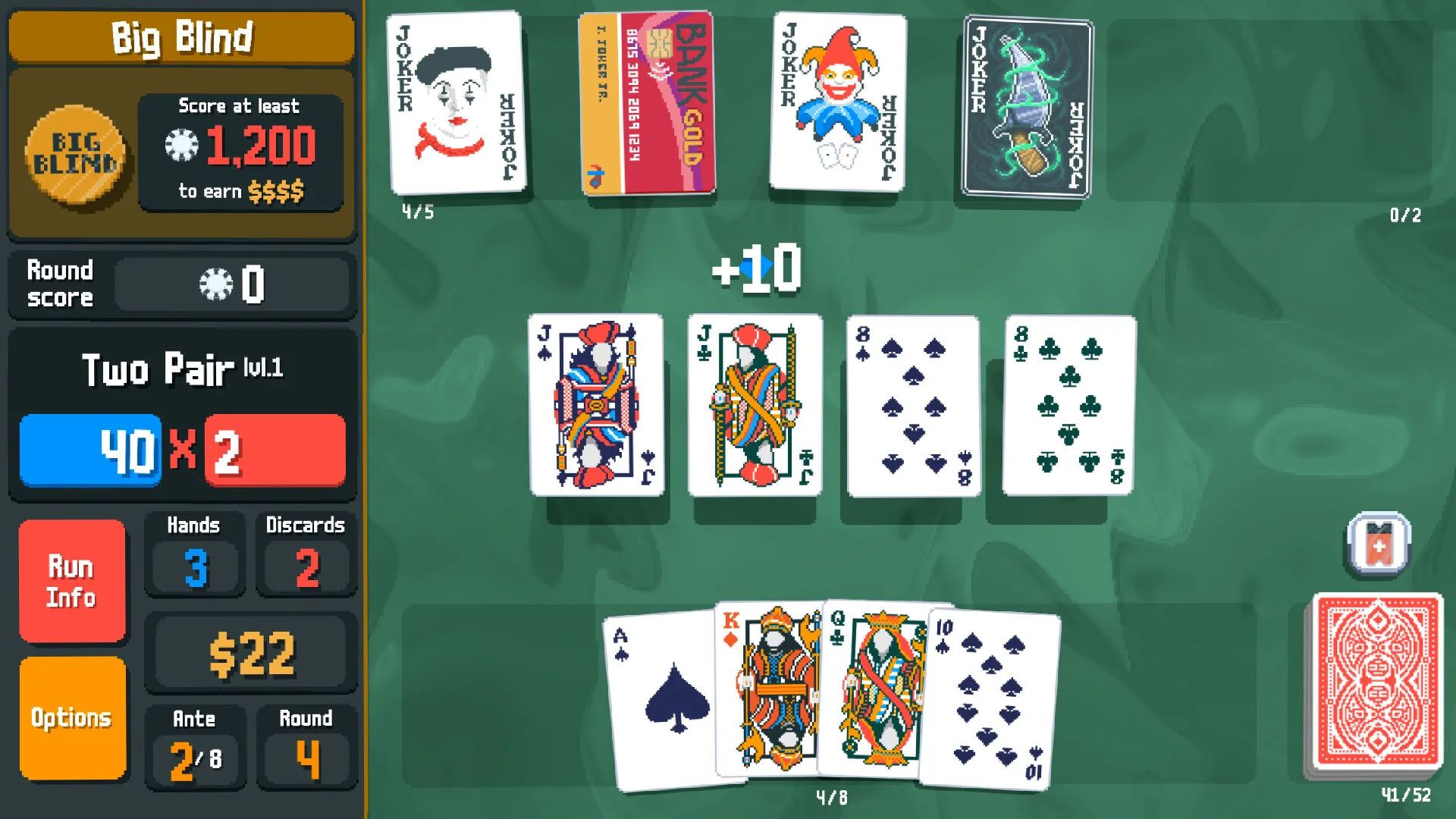
Balatro. A roguelite card game that should have interested nobody, made by a single person, released without fanfare, and which ended up in everyone's conversations for months. Not because it was visually ambitious. Because it had an idea. A real one. Sustained from start to finish with surgical precision.
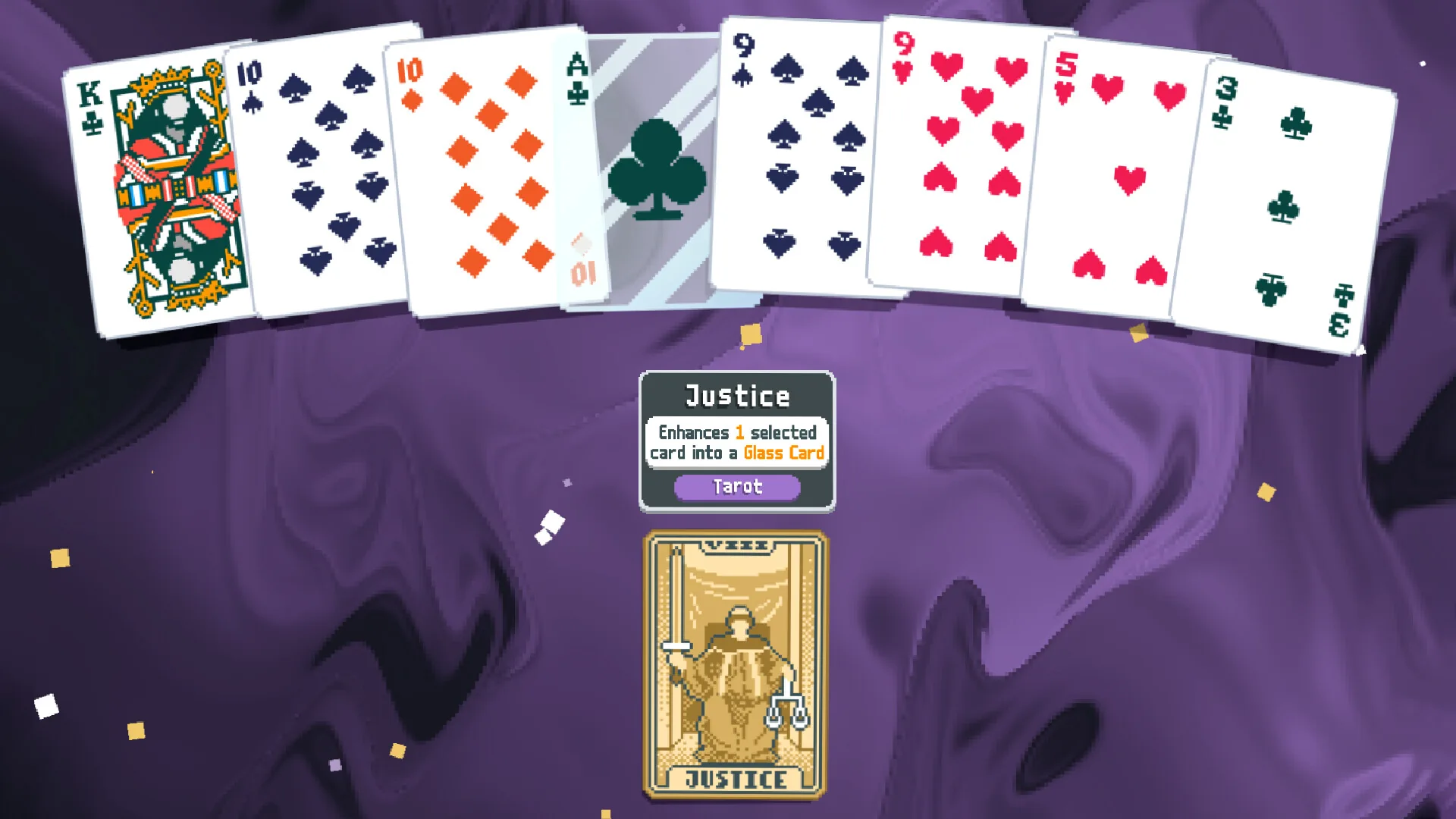
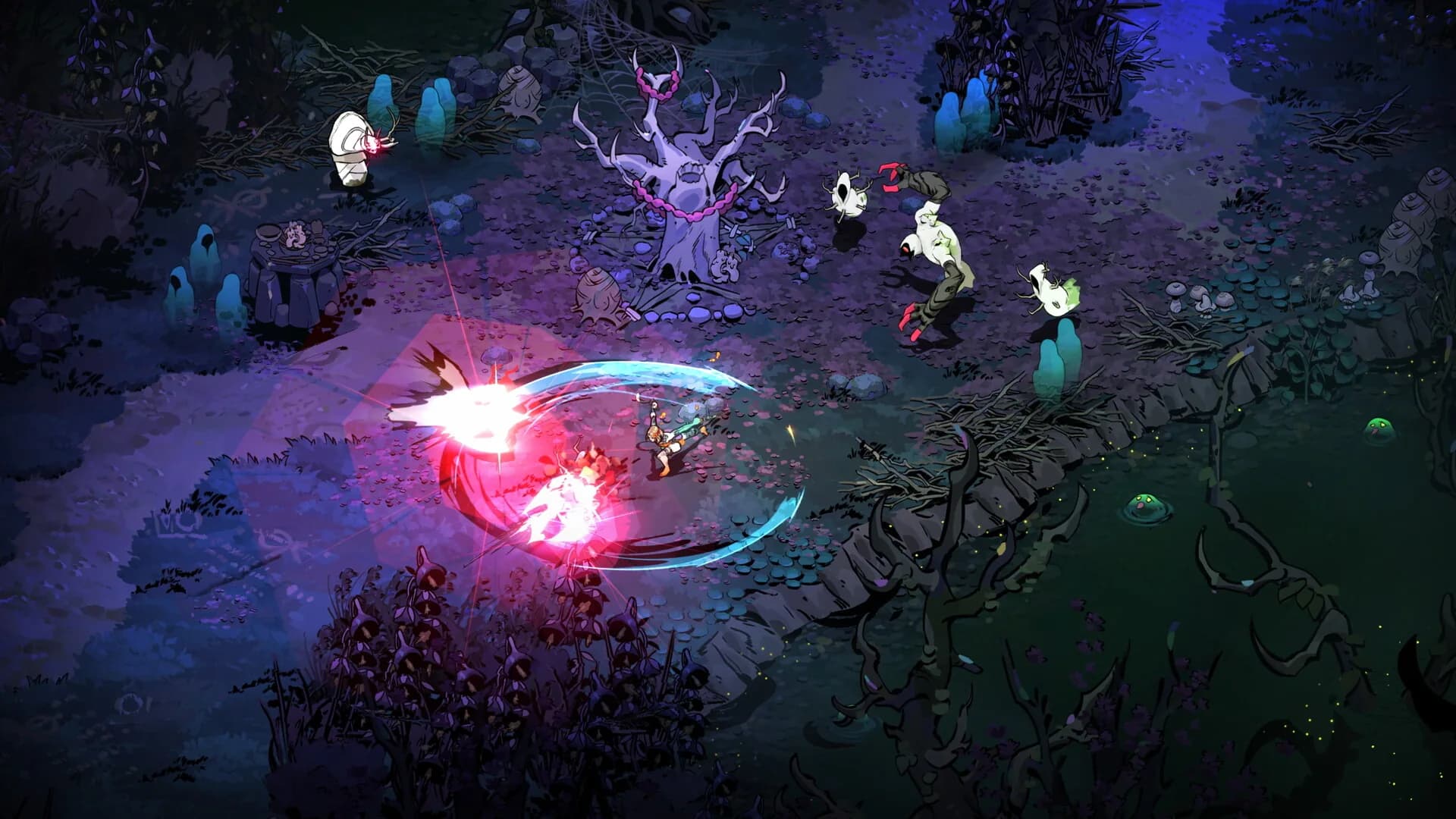
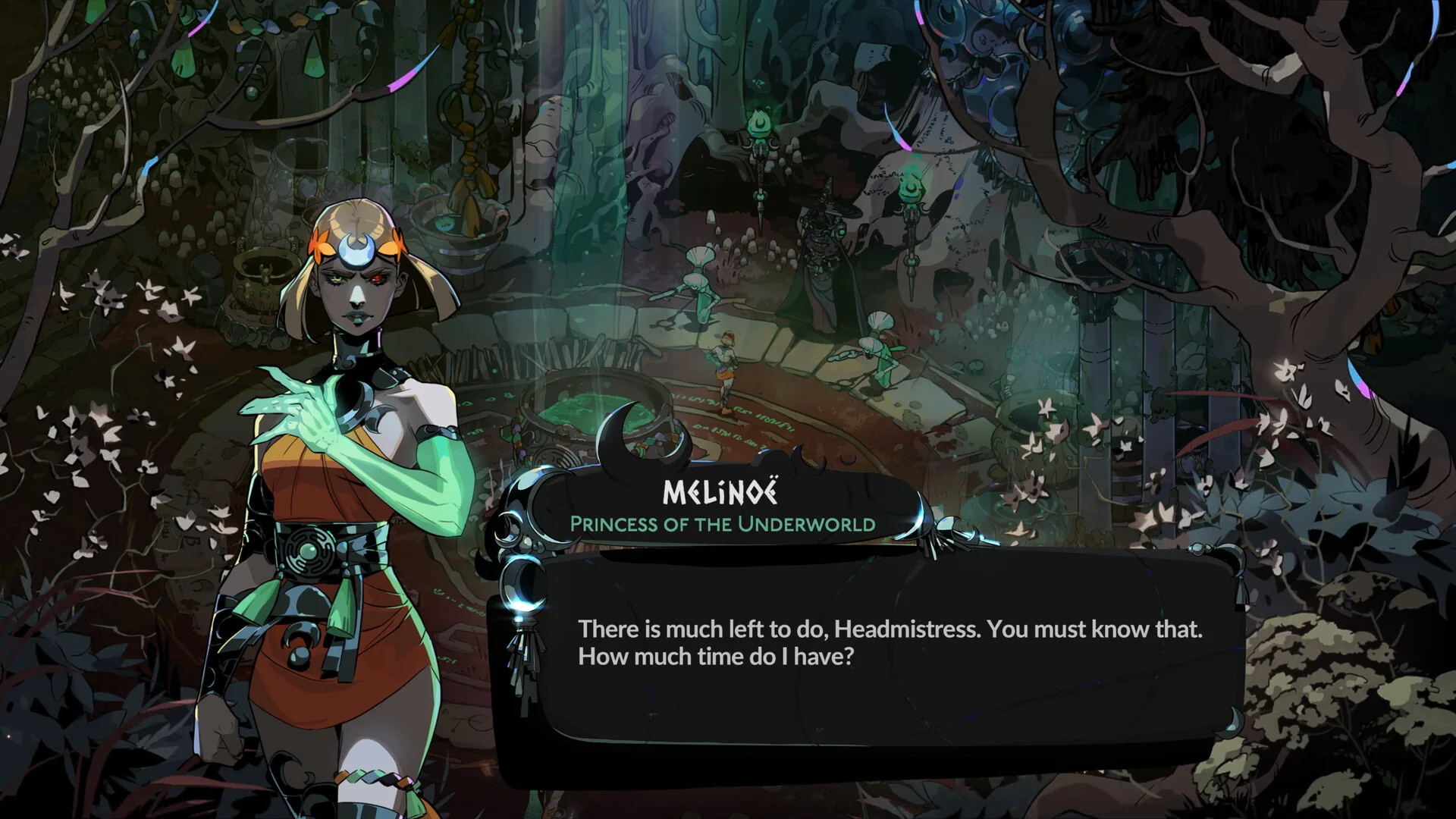
Hades II. The sequel to a game that had already pushed the boundaries of its genre, continuing to do so, treating its players as adults capable of appreciating dense storytelling and a combat system that takes time to master.
Animal Well. A game that explains nothing, holds no one's hand, and creates a sense of discovery that most AAA games abandoned long ago because focus groups don't approve of it.
These games don't have the same budgets. They don't have the same teams. But they have something many hundred-million-dollar productions have lost: an intention.
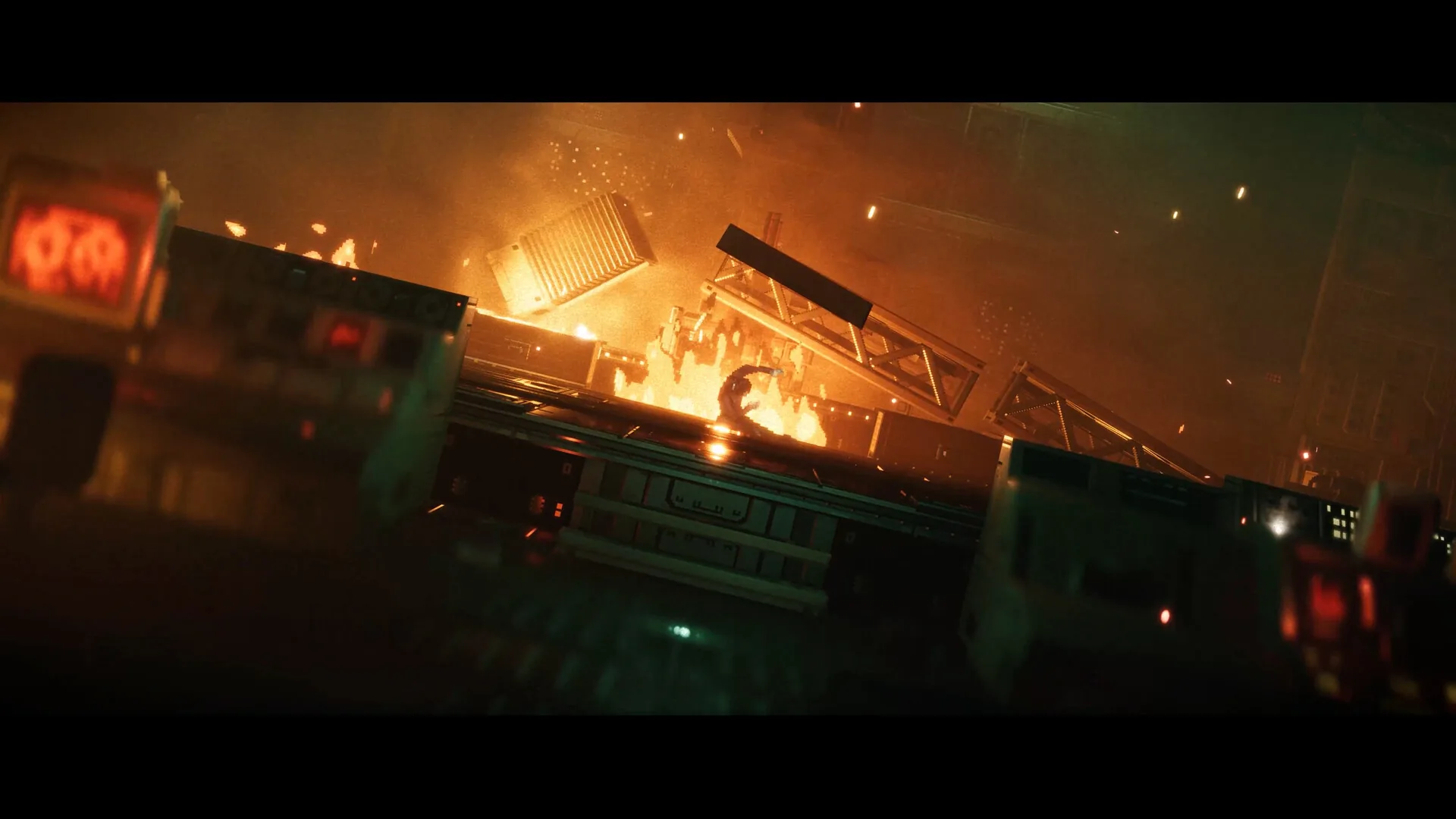
Take REPLACED. A game that immediately establishes a visual identity that belongs only to itself: ultra-detailed pixel art, a mastered cyberpunk atmosphere, animations of rare fluidity. Within the first seconds, you know you're somewhere specific. No AAA takes this kind of risk today. Not because they couldn't, but because they won't. An art direction this sharp is polarising. And polarising is dangerous when the budget is on the line.
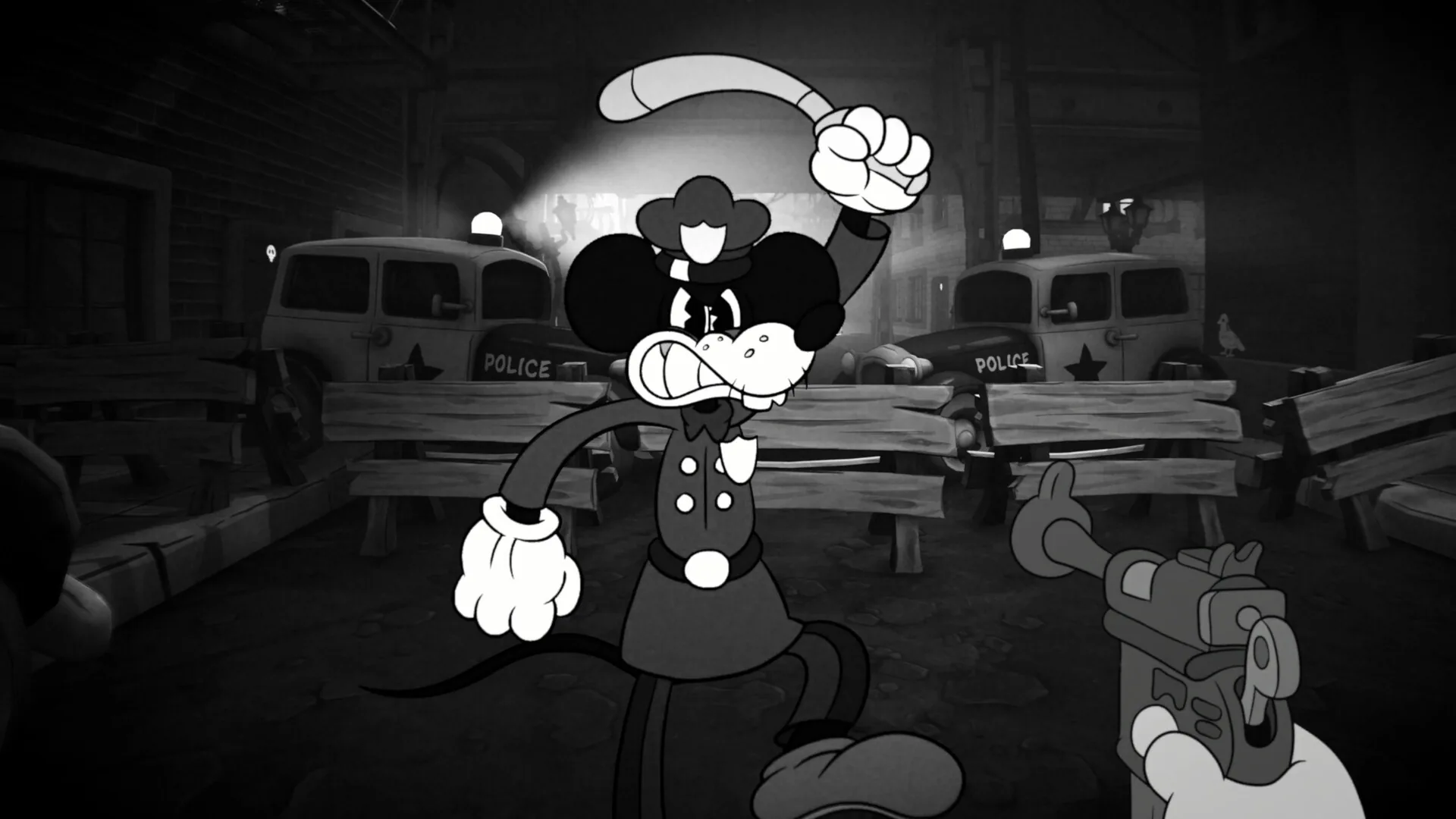
Or Mouse: P.I. For Hire. Thirties cartoon style blended with an FPS, radical art direction, a proposition that would never have cleared validation by a committee in a major studio. That's precisely why it's an indie game. And precisely why we're talking about it.
Independent games don't have the luxury of being "safe". They have to try. They have to differentiate. They have to exist in a space where nobody was expecting them. And that constraint, paradoxically, becomes their strength.
Players are starting to feel it. Open worlds that go on too long, mechanics recycled from one entry to the next, progression systems artificially stretched to justify the price. Enjoyment gradually gives way to a strange sensation: the feeling of having done this before. Several times.
This isn't misplaced nostalgia. It isn't resistance to change. It's a logical response from an industry that has focused so hard on eliminating risk that it ended up eliminating much of what makes games memorable.
Vampire Survivors demonstrated this in an almost brutal way. A game built with minimal resources, basic aesthetics, that captured millions of players not despite its simplicity but because of it. Because the game loop was precise, satisfying, and honest about what it offered.
To be honest: indie games are not perfect. The lack of resources shows sometimes. Rough systems, uneven polish, ambitions that exceed the team's capacity. This is a criticism you can't dodge.
But imperfection is not the same as lifelessness. A game can be technically lacking and intellectually ahead. A game can be missing polish and have a strong idea. A game can seem limited on paper and leave a lasting mark in practice.
What many AAA games have lost, and indie games still hold, is the sense that there's someone behind the game. A point of view. An obsession. A reason to exist that goes beyond ticking a box on a roadmap.
Today, the roles have reversed. AAA games reassure. Indie games try. And for a growing share of players, it's the attempts that leave the biggest impressions.
This shift doesn't mean AAA games are "bad". There are still big-budget productions that take risks, that offer something unexpected, that fully justify their ambition. But they're becoming the exception in a catalogue where the rule is safety.
The most discussed games, the most recommended, the most cited when people talk about meaningful experiences, are no longer necessarily the biggest. This isn't a passing trend. It's a rebalancing.
Video games have never been richer. More titles than ever, more diversity, more different spaces for different experiences. That's genuinely good news.
But that's no longer necessarily where people look the most. The biggest budgets no longer produce the most interesting ideas. The most memorable games are no longer the most visible. And players looking for something that surprises them have learned to look elsewhere.
AAA games reassure. Indie games try.
And today, it's clearly the second group that matters most.
Feature by the InsertCoins.press editorial team
We want to hear your take: the InsertCoins Discord is waiting.
Community
Your rating
Loading comments...
You might also like
22 to 25 October, fifteen years of the show, Game of Roles at the Dome de Paris, and 300 square metres for French studios.
Six sales running, over 700 games, and only one that expires tomorrow morning. Our sort, with the prices worth taking and the ones that are not.
Eight months, 288 reviews, an average of 7.03. Here is what that says, and voting is open in four categories including the hall of shame.