Dossier
Paris Games Week 2026: who is coming, what you can play, and the evening not to miss
22 to 25 October, fifteen years of the show, Game of Roles at the Dome de Paris, and 300 square metres for French studios.
Alexandrosse
10 min
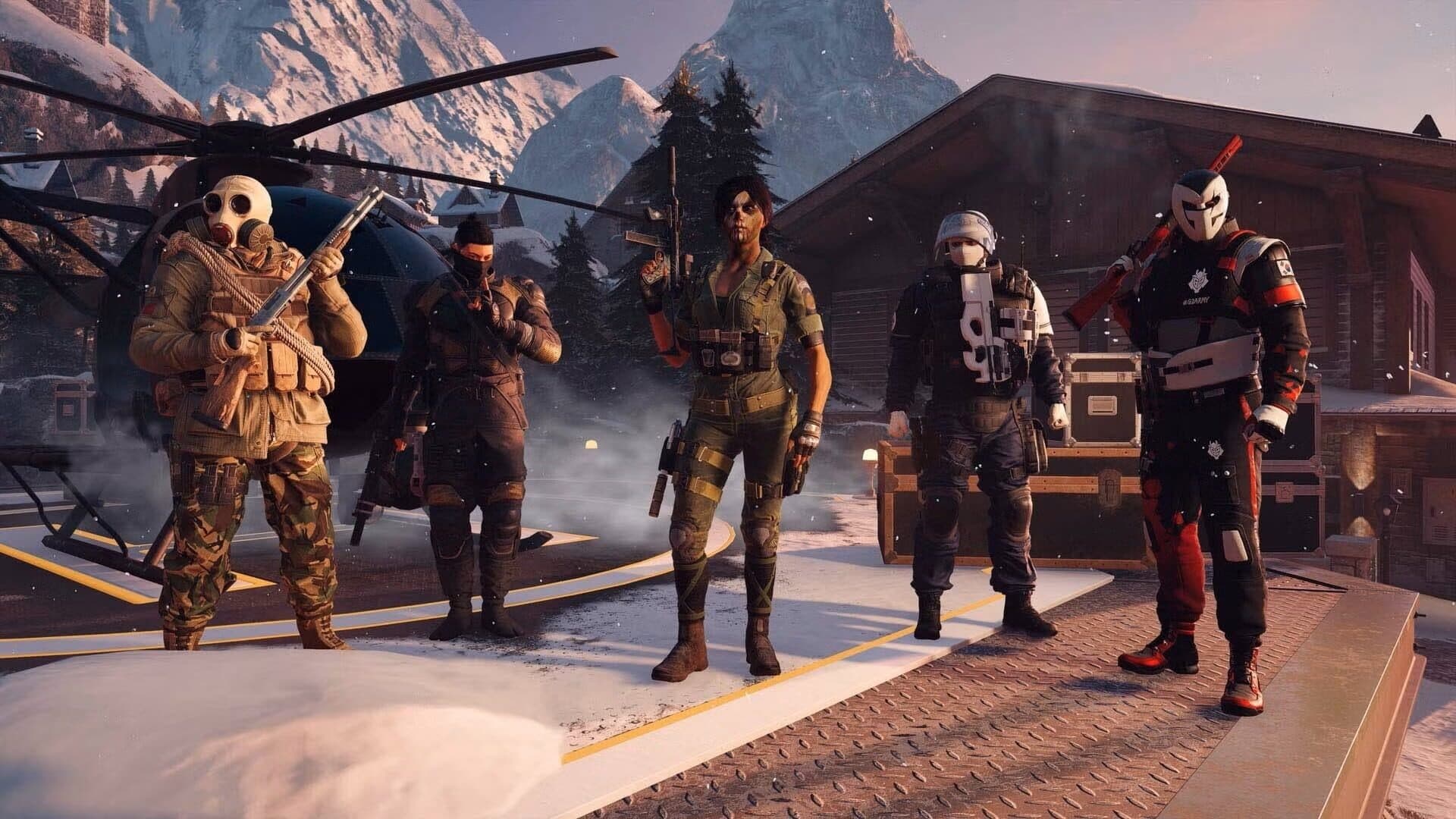
It took ten years, thousands of patches, a rebrand and a massive update for Siege to finally become the game Ubisoft promised in 2015. That's a long time. It's also, somehow, a little beautiful.
Alexandrosse
It took ten years. Ten years, thousands of patches, a rebrand and a massive update for Rainbow Six Siege to finally become the game Ubisoft promised us in 2015. That's a long time. It's also, somehow, a little beautiful.
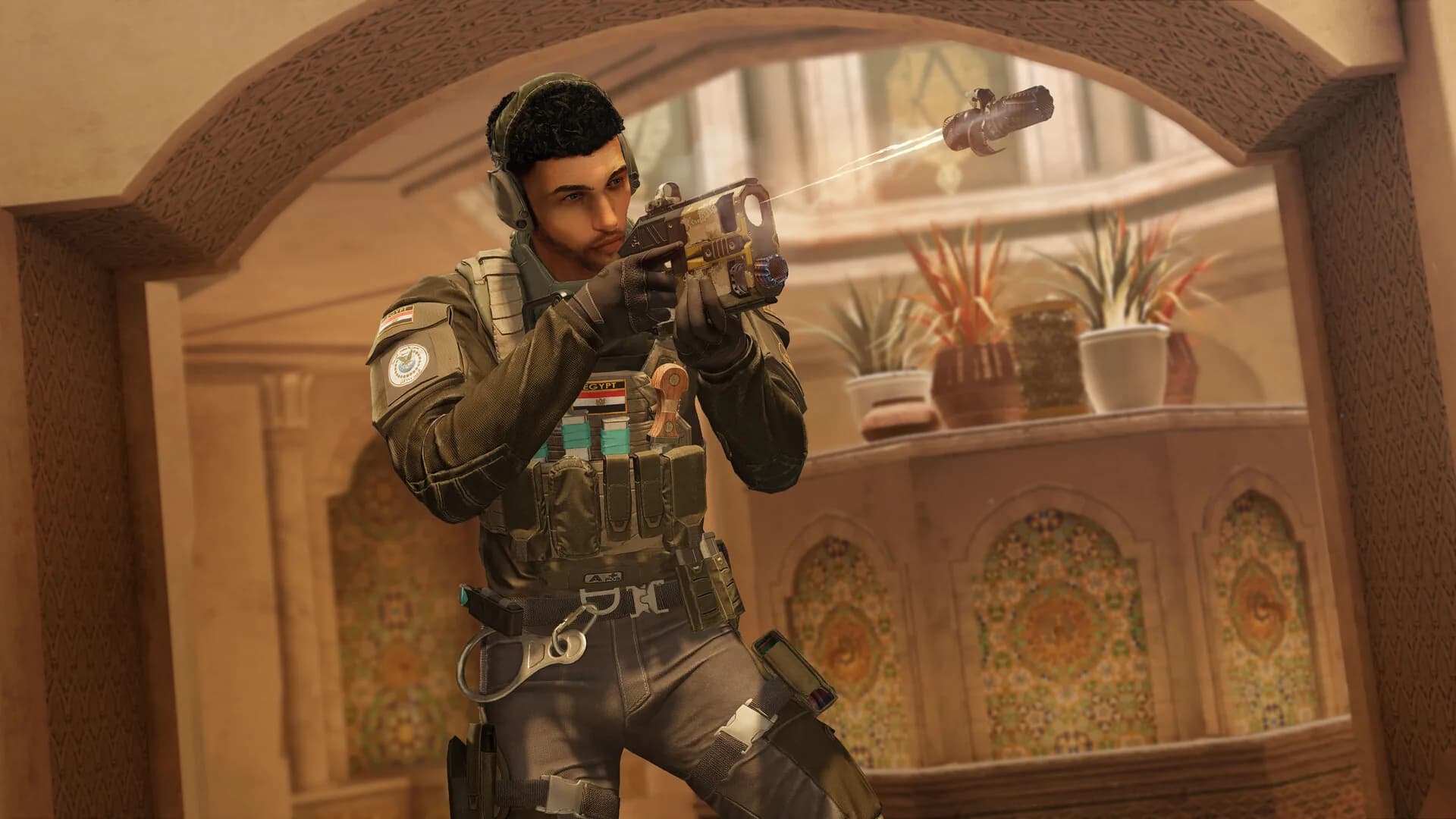
Let's go back to 2015. Rainbow Six Siege launches in a pitiful state. Bugs everywhere, skeleton content, and above all (the detail that kills for a competitive tactical shooter) matches running on peer-to-peer. Translation for non-technical players: one player's connection acts as the server. When they lag, everyone lags. When they disconnect, the match stops. And when they cheat, they have the host advantage.
And Siege wasn't alone in this mess. Its younger sibling For Honor, released two years later, made exactly the same mistake. At launch, For Honor also suffered from peer-to-peer online infrastructure, with all the instability that implies for server stability, player synchronisation and matchmaking. Ubisoft had apparently decided that the Siege lesson wasn't enough to change their habits. Hats off.
It wasn't until Operation Health in 2017 that Ubisoft began gradually migrating Siege to dedicated servers, starting with ranked and custom matches. Terrorist Hunt mode waited a little longer. Because why rush.
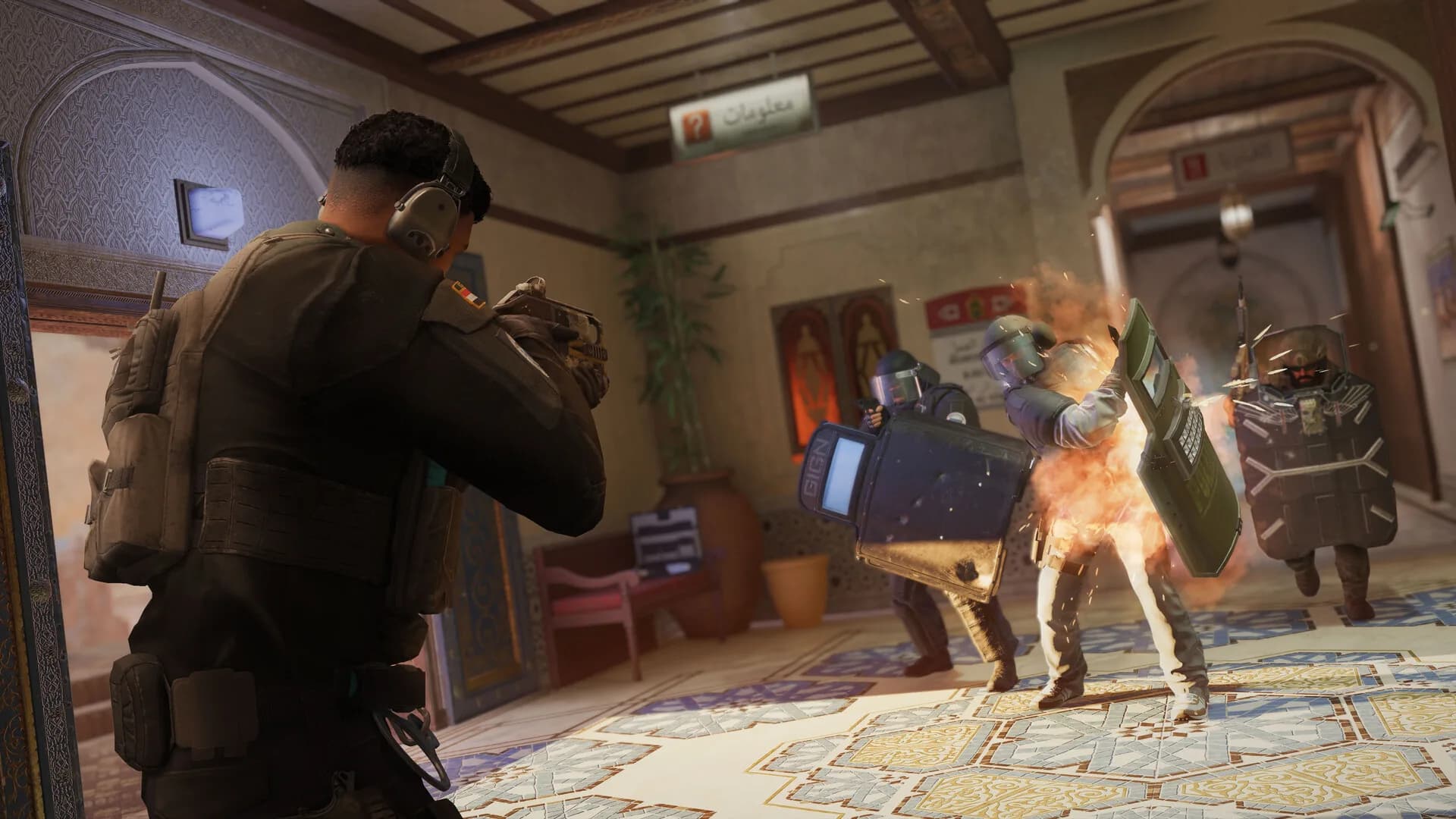
In June 2025, ten years after launch, Ubisoft drops Siege X: a free, massive update that literally changes everything.
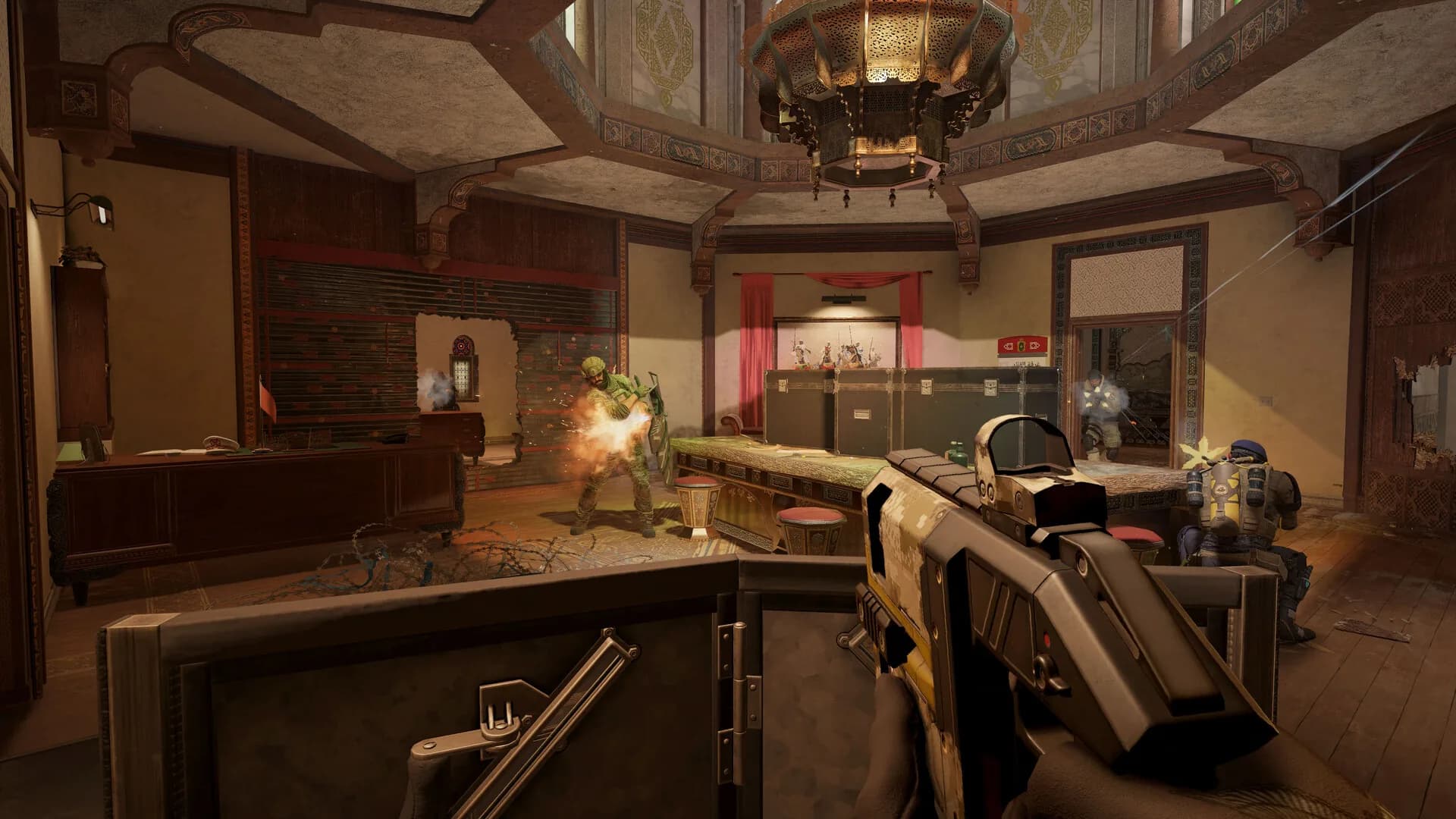
Dual Front mode arrives as a permanent 6v6 mode with respawns on a new map, District. 35 operators available from the start, with the ability to switch operator on each respawn. It's the biggest design pivot since launch, and a finally accessible entry point for new players.
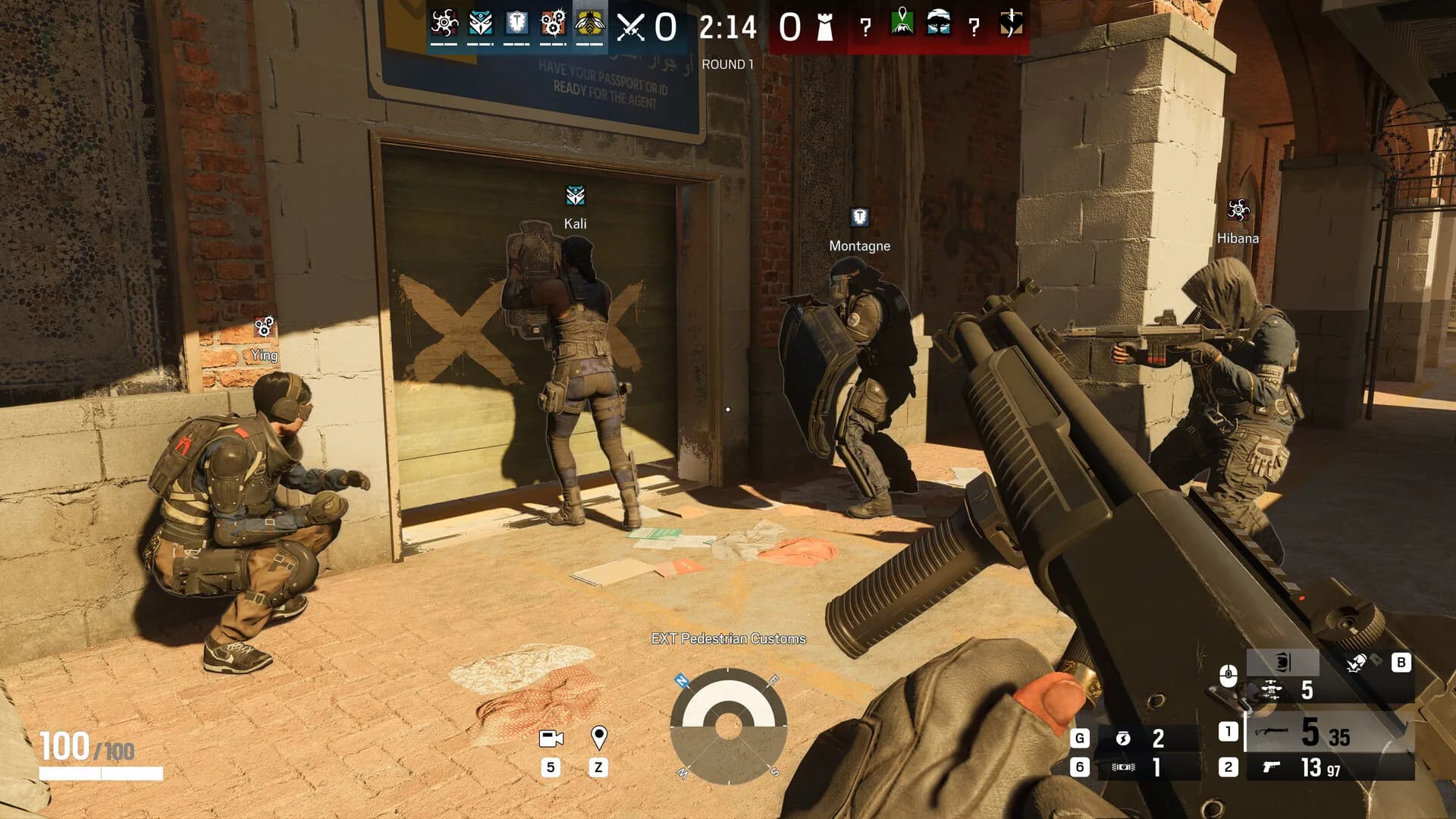
Five iconic maps get 4K textures with new lighting: Clubhouse, Chalet, Border, Bank, Cafe. Three additional maps will be modernised each season.
On the gameplay side, it's now possible to run along walls or move around corners without constantly clipping out. Audio 2.0 has been completely reworked to enhance immersion. In a game where hearing footsteps through a wall can save your life, that's not trivial.
And crossplay? Ubisoft has finally implemented crossplay between console and PC, letting players team up regardless of platform. Only ten years after launch. We applaud the courage, truly.
It's BLAST that now manages the competitive circuit, and it changes everything about the approach.
In 2026, the scene returns to a more traditional format with two Majors per year, something the community had been asking for years. Teams now accumulate SI points across the entire season rather than through isolated qualifiers, rewarding consistency over one-off performances. A finally coherent philosophy.
The 2026 Challenger Series finally creates a real stepping stone between ranked play and the pro scene. This semi-pro circuit had been desperately missing for years, leaving hundreds of talented players with no pathway to the top level. The route is now clear: Challenger Series > Regional Leagues > Majors > Six Invitational.
On the transfer side, the market has moved. Shaiiko leaves Team Falcons to join G2 Esports. Team BDS renames to Shifters. The next major appointment is the Salt Lake City Major, scheduled May 7-17, with four European slots on the line.
It's hard to talk about Siege X without talking about the context in which Ubisoft is operating in 2026. The studio is going through a difficult period: layoffs, cancelled projects, shareholder pressure that has lasted several years. In that context, the fact that a team had the resources and freedom to deliver such an ambitious overhaul of a ten-year-old game is, objectively, remarkable.
But it would be dishonest not to acknowledge the irony. Everything Ubisoft just added (the sound, the textures, the crossplay, the fluid movement, the real servers) should have been there in 2015. Siege X should have been called "Siege 1.0". The players who held on for ten years deserved better, and sooner.
That's not a reason to sulk about the update. It's a reason to celebrate it with open eyes.
Ten years of patches, patience and a relentless community have finally produced something coherent. A structured esport scene. A game that finally deserves its reputation. A free-to-play model that, through necessity, learned to respect its players.
It's the kind of story that makes you want to both congratulate Ubisoft and send them the bill for your therapy.
Feature written in April 2026, based on publicly available information at that date.
Come and carry the conversation on over on our Discord.
Community
Your rating
Loading comments...
You might also like
22 to 25 October, fifteen years of the show, Game of Roles at the Dome de Paris, and 300 square metres for French studios.

Six sales running, over 700 games, and only one that expires tomorrow morning. Our sort, with the prices worth taking and the ones that are not.
Eight months, 288 reviews, an average of 7.03. Here is what that says, and voting is open in four categories including the hall of shame.