We remember playing Counter-Strike solo, back when you could rescue hostages against bots. It was fun for five minutes, a nice curiosity, but even back then we rushed very quickly to multiplayer, because that's where the game truly lived. Some franchises are like that: built for human confrontation, they only make sense with others. Splatoon is one of them, or at least was. So when Nintendo announces a Splatoon designed entirely for solo, the same question arises: why on earth lean into that? The answer, surprisingly, is that it really works.
The context
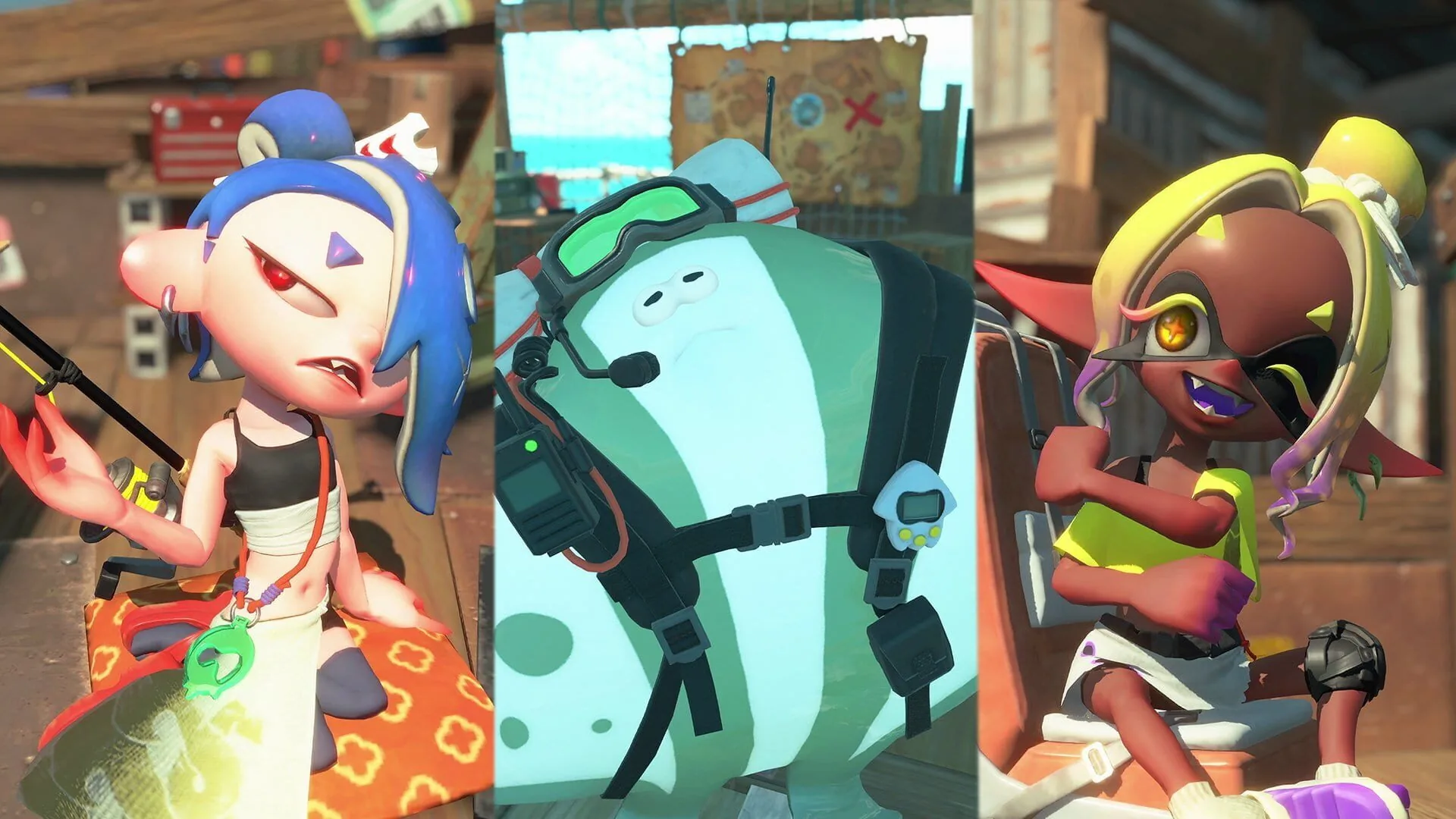
Splatoon Raiders is a spin-off developed by Nintendo EPD, available exclusively on Switch 2 since 23 July 2026. It takes a radical turn: where the mainline entries were competitive multiplayer shooters centered on Turf War, Raiders becomes a PvE looter-shooter designed above all for solo, with a roughly eighteen-hour campaign and co-op for up to four players layered on top. It's the saga's first looter-shooter, an owned risk, released before a possible Splatoon 4 to fully exploit the new console's capabilities. The critics followed, with a Metacritic average of 81 and scores flirting with 9 out of 10 at several outlets.
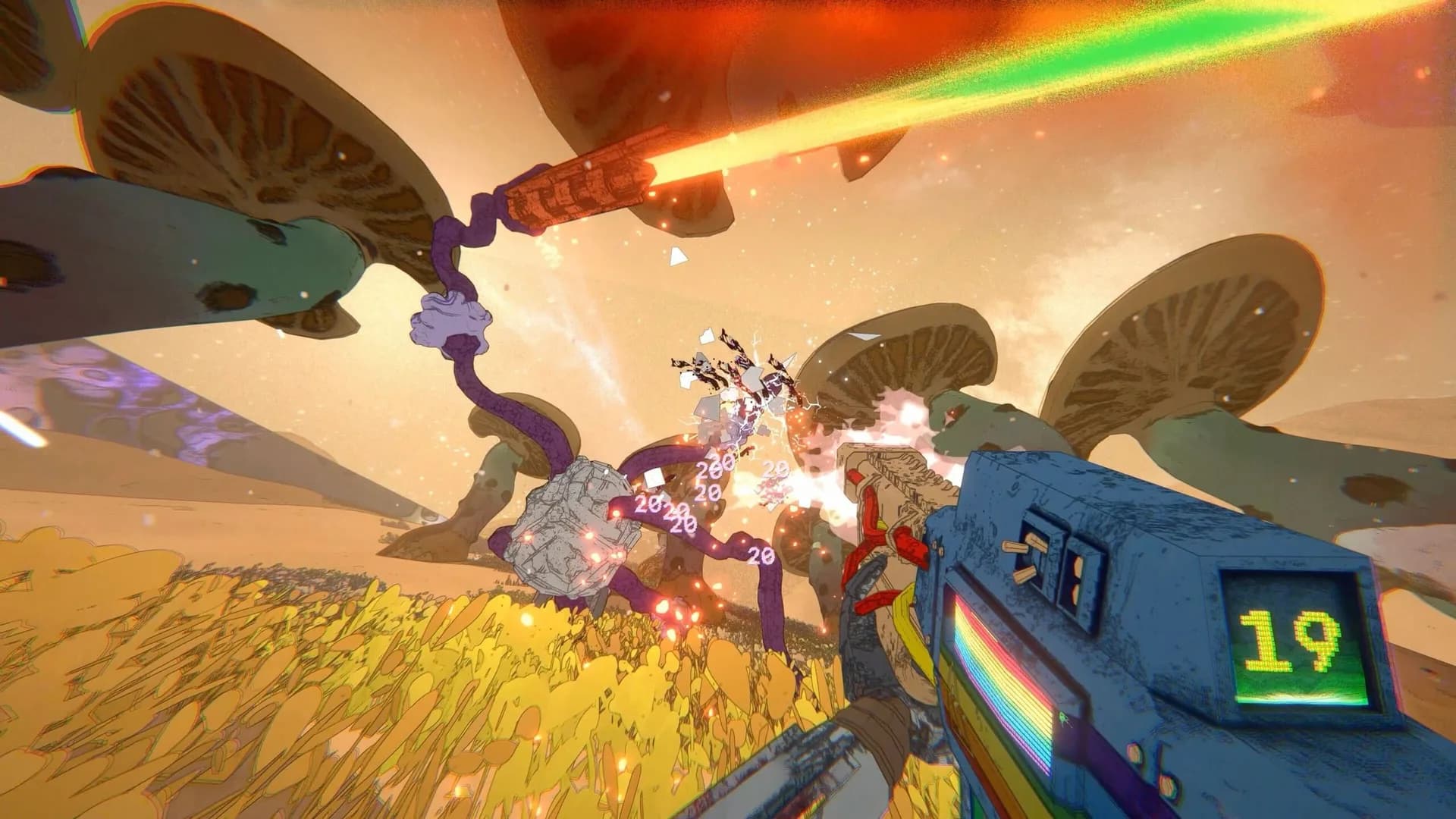
What holds Splatoon Raiders together is its looter-shooter loop, and it's surprisingly well thought out. The principle differs radically from the mainline entries: you set out to gather treasure across varied stages, you return to the central hub, you strengthen yourself, you upgrade your gear, then you head back out to face tougher hordes as you progress. That structure of collection, ramp-up and growing challenge is the very DNA of the genre, that of Diablo and other loot hunts, and it marries the colorful Splatoon universe remarkably well. Longtime players confirm it: Raiders even offers more depth than the canonical entries on weapon customization and the richness of the gameplay loop.
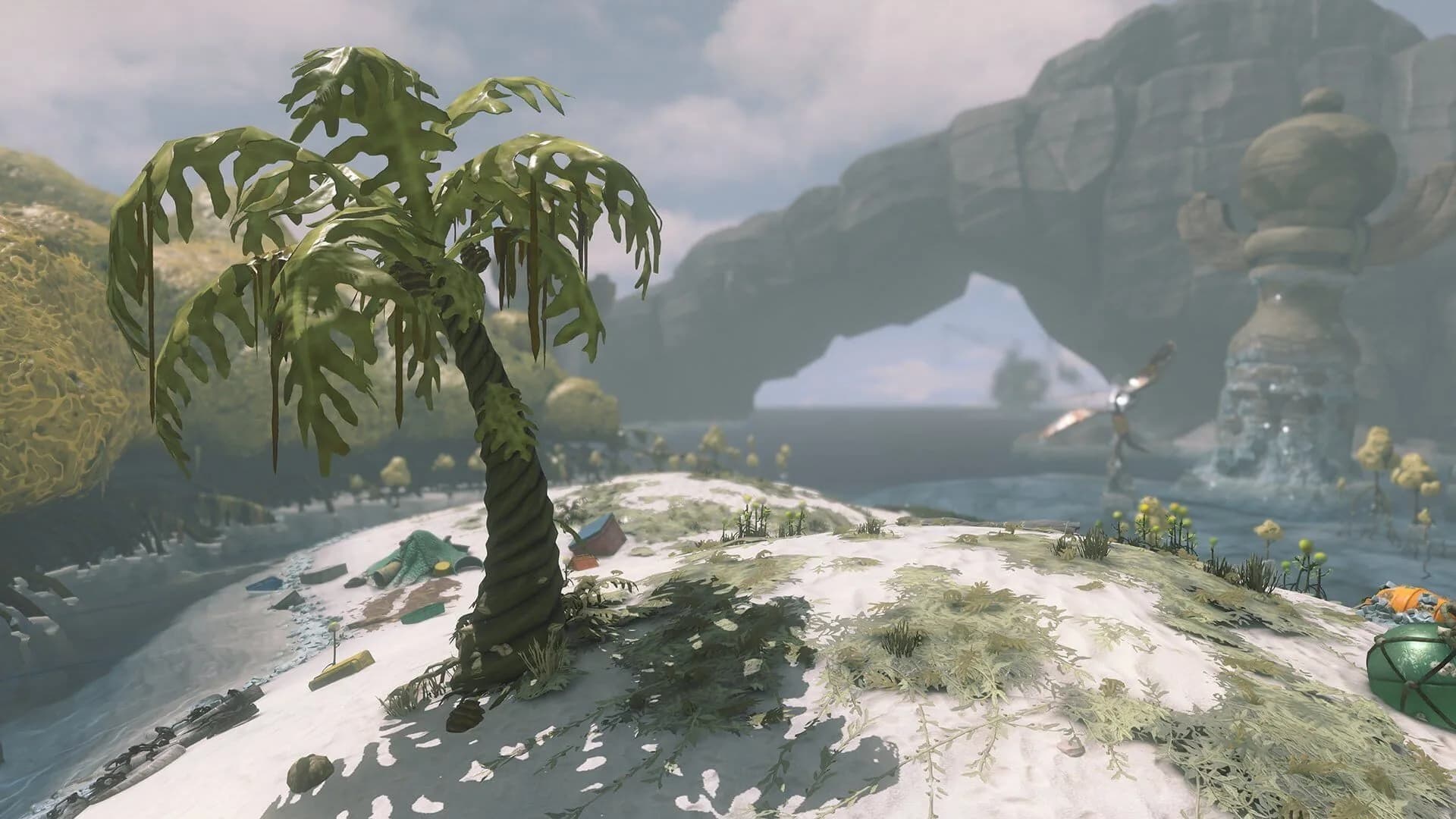
The mechanics translate the series' identity intelligently. The stages recall those of Salmon Run mode, but more spread out, broken into traversal and platforming segments where you progress from zone to zone. Water hurts you, so you move on a little boogie board from one section to the next, and you climb onto your robot companion to leap higher or clear an obstacle. The environments vary sharply, from a snowy zone to underground areas, and the whole is punctuated by weapon customization, base building and a demanding Survivalist mode that rewards the grind. You find the nerve and legibility specific to Splatoon, rearranged in service of a solo adventure that blends movement and combat with genuine know-how.
You have to stay lucid about the proposition's limits. The first point of caution concerns cooperation, misunderstood by many: Splatoon Raiders offers no split screen on a single console, faithful in that to the whole series. To play locally with others, you need two consoles and sometimes two copies of the game, or go through game sharing, with its constraints. It's a solo game with optional co-op layered on top, notably a call-for-help system where an online player comes to lend a hand during raids, but whoever hoped to settle in four on the couch with a single screen must revise their expectations. The confusion is real, and it deserves to be dispelled before purchase.
The other reservation is the risk of repetition over time, pointed out by some players. A looter-shooter lives on the variety of its enemies and objectives, and the end-game could go in circles once you've seen and re-seen the same mobs chaining similar missions. It's the genre's fate, that tension between the immediate addiction of the loot loop and the inevitable wear of the formula when the content runs dry. Splatoon Raiders seems generous, with an end-game shaping up to be substantial, but it'll take hindsight to know whether it goes the distance or runs out of steam once the grind is well underway. The pleasure is undeniable over the first hours, the longevity remains to confirm.
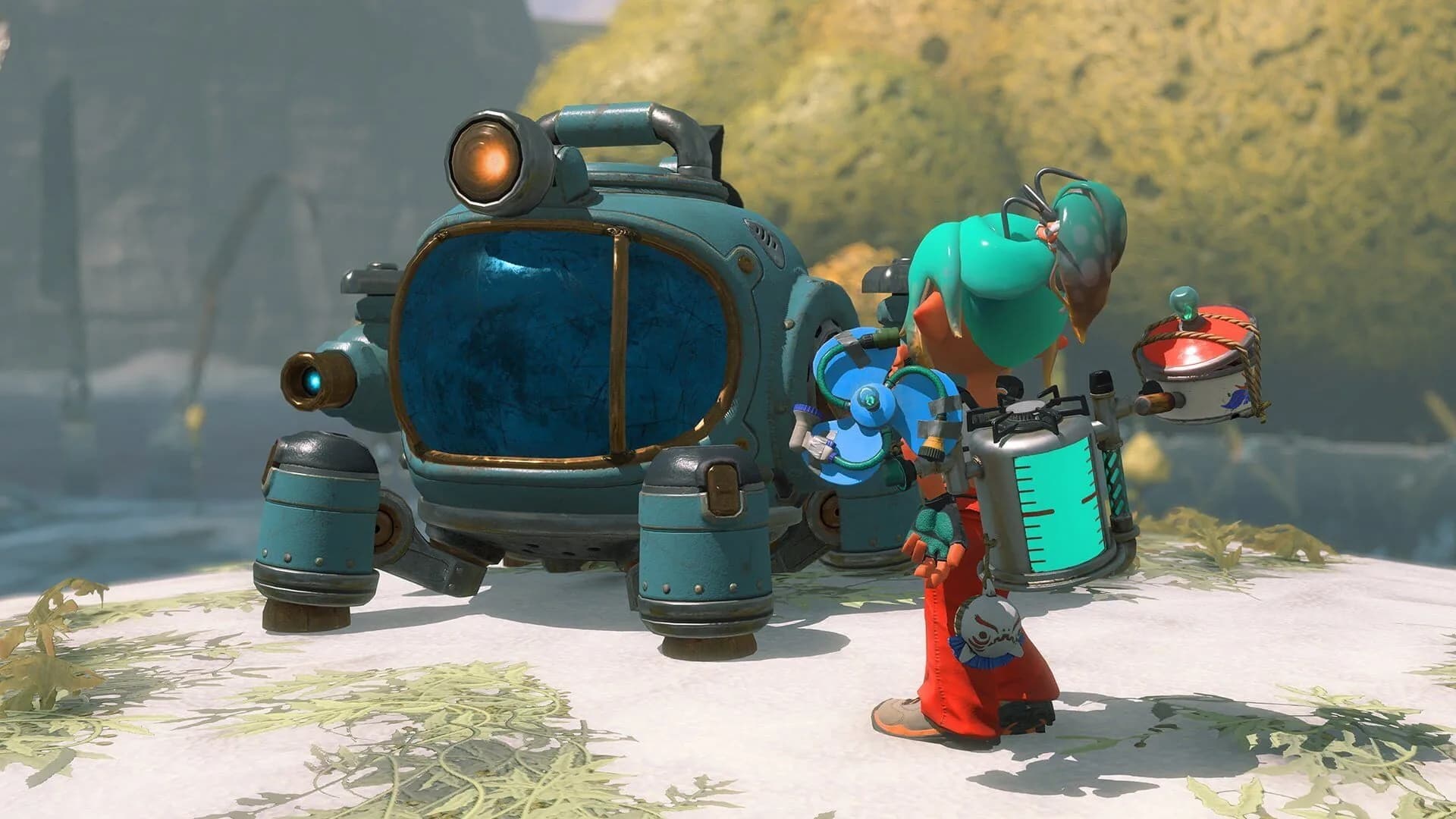
Splatoon Raiders is a fine surprise, proof that a franchise built for multiplayer can nail its solo turn when it does so with conviction. Where we feared an anecdotal curiosity, in the manner of the solo Counter-Strike we dropped right away, Nintendo delivers a real looter-shooter, with a loop of collection, ramp-up and growing challenge that grabs you and won't let go. The mechanics, from boogie-board traversal to the robot companion by way of deep weapon customization, intelligently rearrange Splatoon's identity in service of the solo adventure. The critics hailed it, players lose hours to it, and you understand why.
You just have to clear up the misunderstandings and accept the genre's limits. Cooperation, misunderstood, offers no split screen on a single console and demands several machines, a point to know before diving in with family. And the risk of repetition lurks over time, as in any looter-shooter, with an end-game whose longevity remains to confirm. But on the essential, the boldness of the bet and the quality of its execution, Splatoon Raiders holds an unexpected success. Nintendo leaned into solo, and against all odds, it was right. You no longer rush to multiplayer, you stay for the loot.
A spin-off turning the multiplayer saga into a solo PvE looter-shooter, with a loot-and-progression loop that grabs you: a risky bet and a genuine success, provided you don't get the co-op wrong.
Strengths:
- An addictive looter-shooter loop, well adapted to the Splatoon universe
- Weapon customization deeper than the mainline entries
- Clever traversal mechanics, boogie board and robot companion
- A generous solo adventure of around eighteen hours
Weaknesses:
- No split screen on one console, a co-op often misunderstood
- A risk of end-game repetition, inherent to the genre
- A longevity to confirm once the grind is well underway
Tested on Switch 2.
Your verdict differs from ours? The Discord is the place to make your case.