6
Test
Crown Siege: an eight-euro incremental siege game, honest about its length
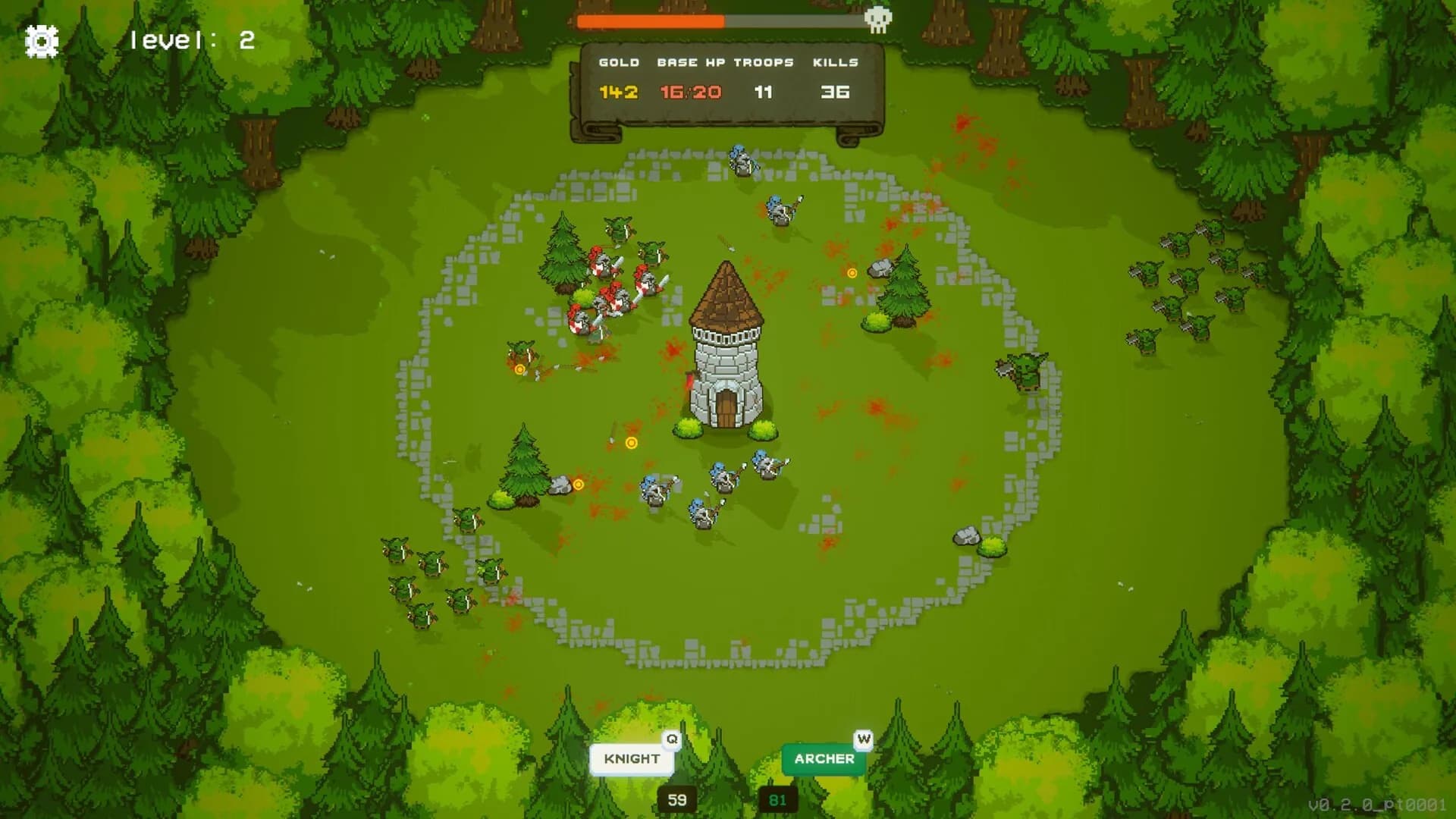
You spawn troops, absorb waves of goblins, upgrade the tower. Short, owned, and sold as such.
Alexandrosse
7 min
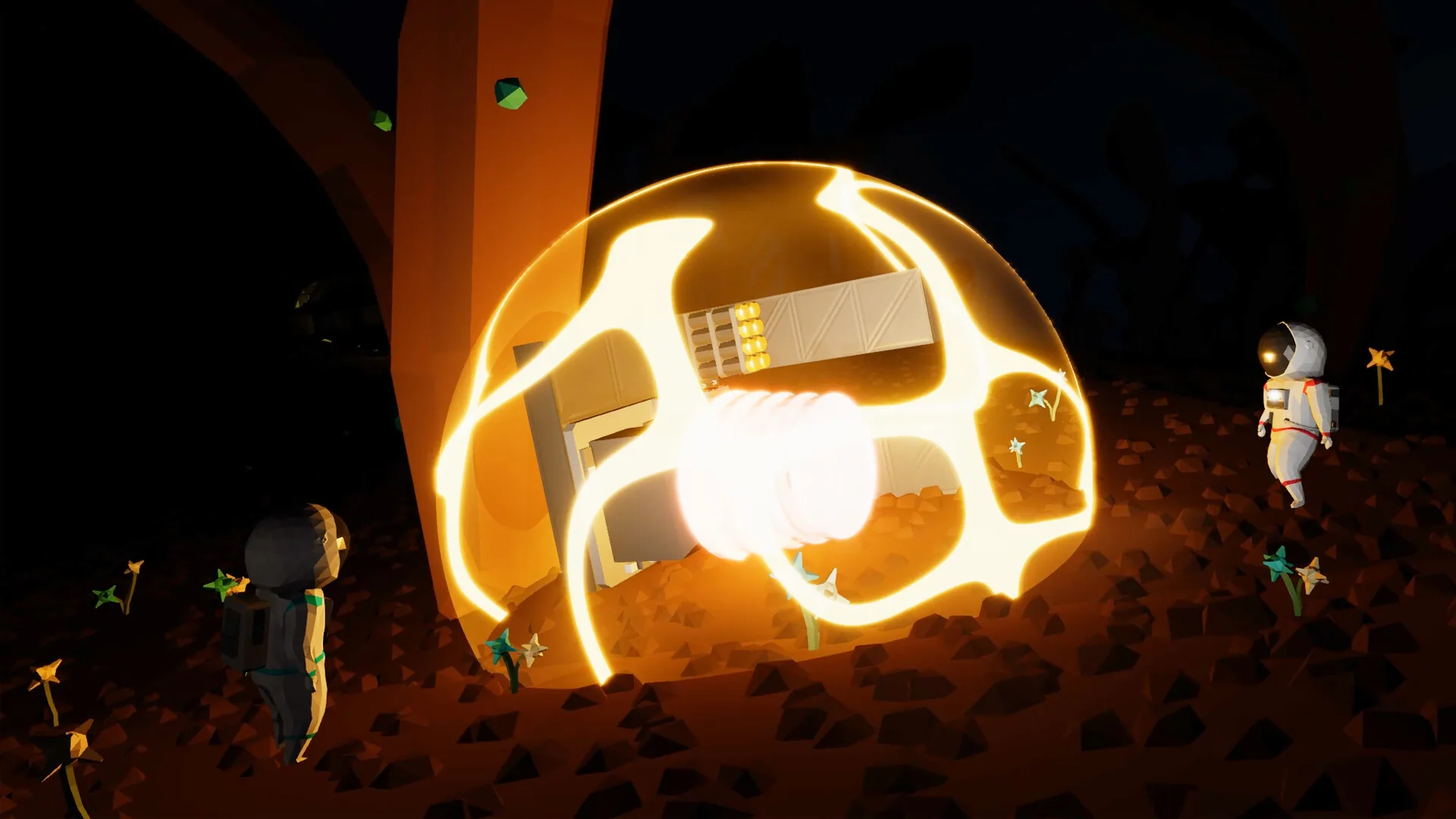
A modular ship made of whatever bolts together, 15 planets and up to 4 players. The chaos is excellent, provided you have the friends to go with it.
Alexandrosse
InsertCoins.press Score
7.5/10
Verdict
Recommended
The name says it all: approximately up. That is the level of ambition, and above all the level of reliability you can expect from the contraption you are about to assemble with your friends. Approximately Up is a space sandbox where you build ships out of anything that bolts together long enough to fly, and then go and see what happens.
Spoiler: what happens is rarely the flight you planned.
It all starts with a single piece of frame and can end as a massive structure built from thousands of components. You mount oversized thrusters, annoying cables, and everything in between. The studio, Approximately Games, stresses the engineering side: you can create automated systems, wire controllers, sensors and meters to whatever you like, and let the magic happen. Or the chaos, which statistically amounts to the same thing.
An important point for immersion: you fly your creation in first person, from the deck of the ship. This is not a game where you watch your vessel from outside while clicking menus, it is a game where you run down the corridors looking for the one button you forgot to wire.
The real technical achievement, and the point that comes up most in demo feedback, is the multiplayer editor. Building four-handed on the same hull without constantly getting in each other's way is something very few construction games manage. This one does.
The objectives look like they were written to sabotage your plans, and that is exactly right. Deliver an experimental power source to a station on another planet, while it causes power outages mid-flight. Carry an energy crystal charging up like a ticking time bomb. Or simply move a ridiculously heavy submarine and hope your thrust keeps up.
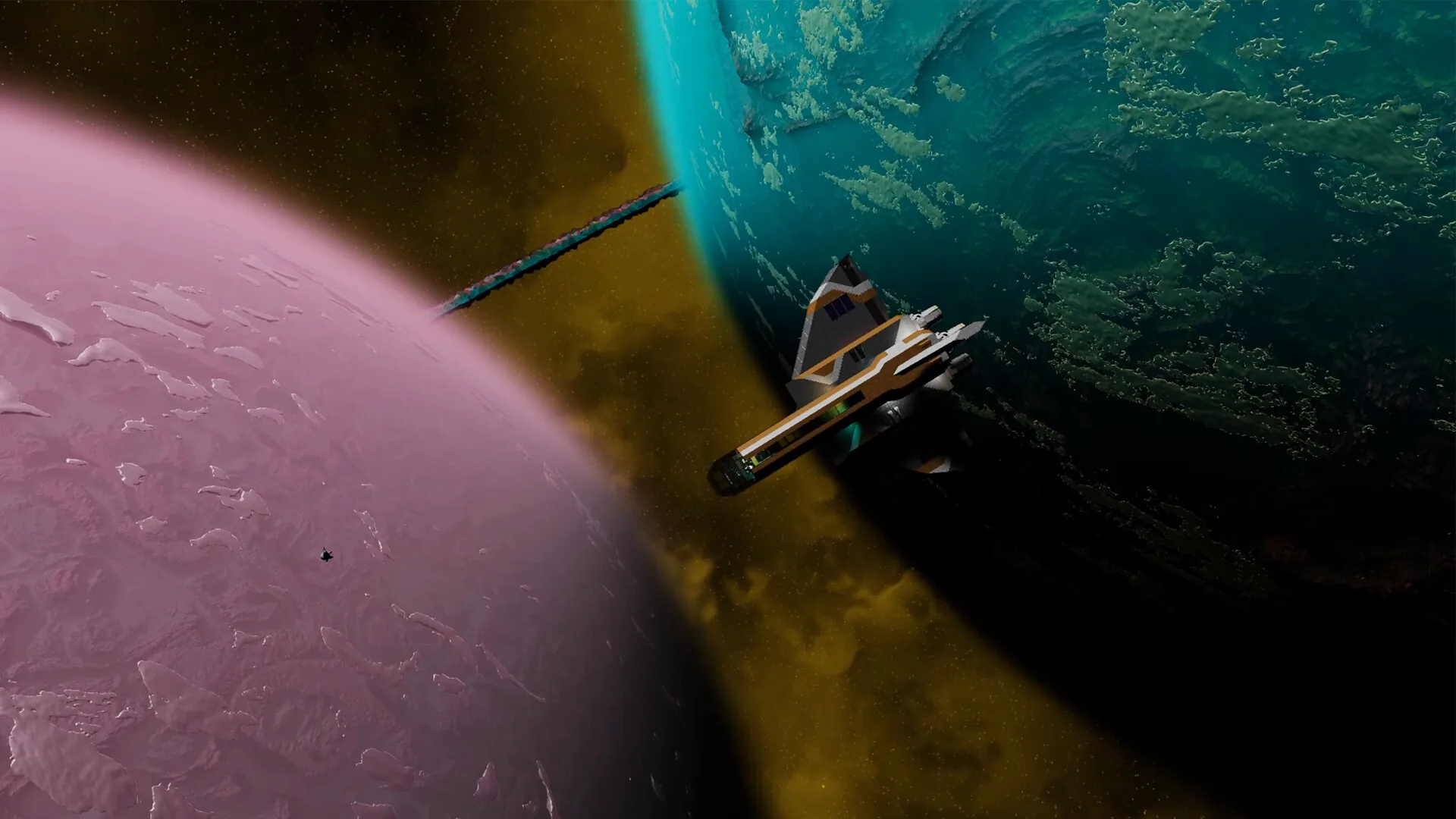
Around that, fifteen planets to explore, each with its own feel and a dynamic soundtrack that shifts in real time as you make discoveries. Some are covered in oceans, others hide their surface under a thick atmosphere.
Let us be honest about what will actually occupy you. The studio puts it forward itself, with a section of its store page devoted to blaming each other. Who forgot to connect that cable. Who mounted the thruster backwards. Who left out the solar panels. Who decided a door-opening button was surplus. Is the radar working, by the way? And the batteries?
It is co-op for up to four players, playable solo as well, and we all know which of the two will produce the better evenings.
And that is precisely the problem. A game whose best comic spring is an argument between friends becomes distinctly flatter alone: in solo, all that remains is the engineering, demanding and at times tedious, with nobody to blame for the missing cable. Half the value of the game therefore depends on your address book, which is a heavy dependency at twenty-five dollars.
The other reservation concerns depth. Past the euphoria of the first absurd assemblies, building demands a growing rigour that the light tone does not really prepare you for, and the mission catalogue will need to fill out to hold over time. It is also worth noting that at this stage the reception rests mainly on enthusiastic demo feedback, without the perspective of dozens of hours.
For a group of four who are not afraid of falling out, this is an excellent evening in a box. For a solo player, it is a very different proposition, and a much less funny one.
The discussion carries on over on our Discord, where we relitigate scores for far longer than is reasonable.
Community
Your rating
Advertisement
Loading comments...
You might also like
You spawn troops, absorb waves of goblins, upgrade the tower. Short, owned, and sold as such.
iRacing delivers a solid pad game and a contested wheel game. And the official store page discloses automatically generated voice lines.
An automation game where you manifest your own biomes, with five minigames to fill the time while the machines work.