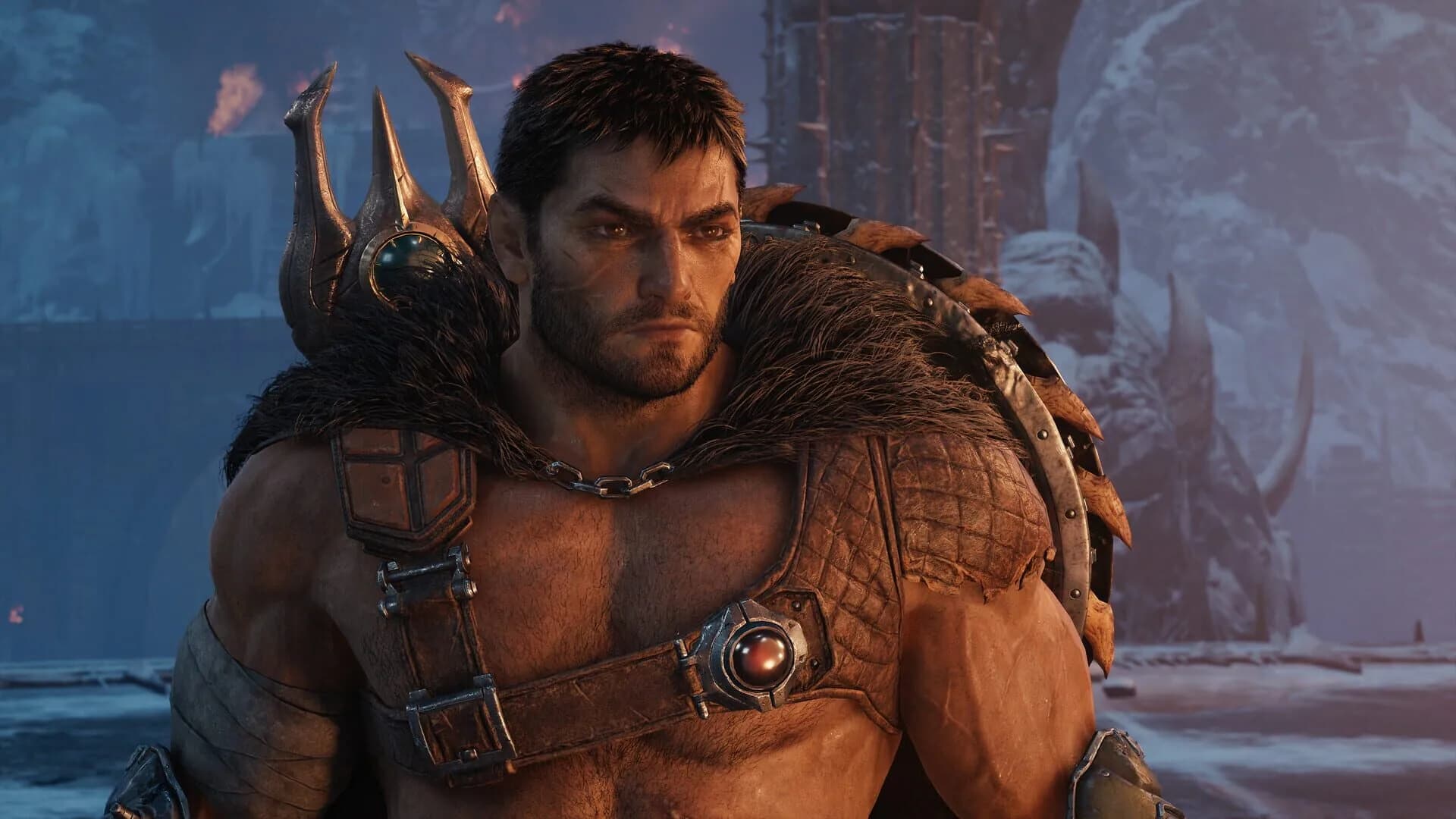
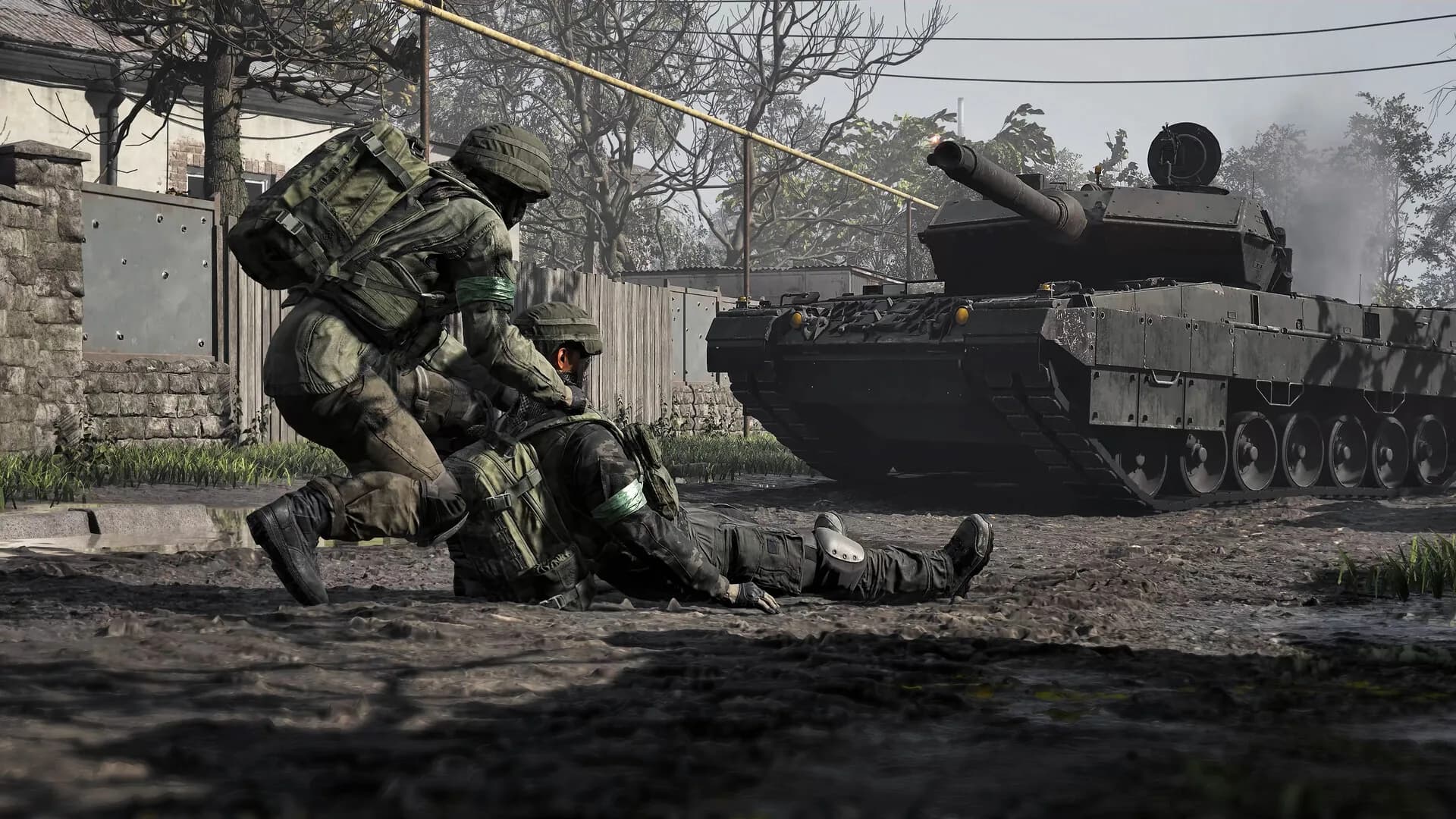
Ultra-Nightmare is the mode that forgives nothing: a single life for the entire campaign, one death and it all starts from scratch. Beating DOOM The Dark Ages under these conditions is not a matter of superhuman reflexes, it is a matter of discipline and method. This guide gives you everything you need to avoid watching dozens of hours of progress go up in smoke on one careless mistake. Straight to the point, mechanic by mechanic.
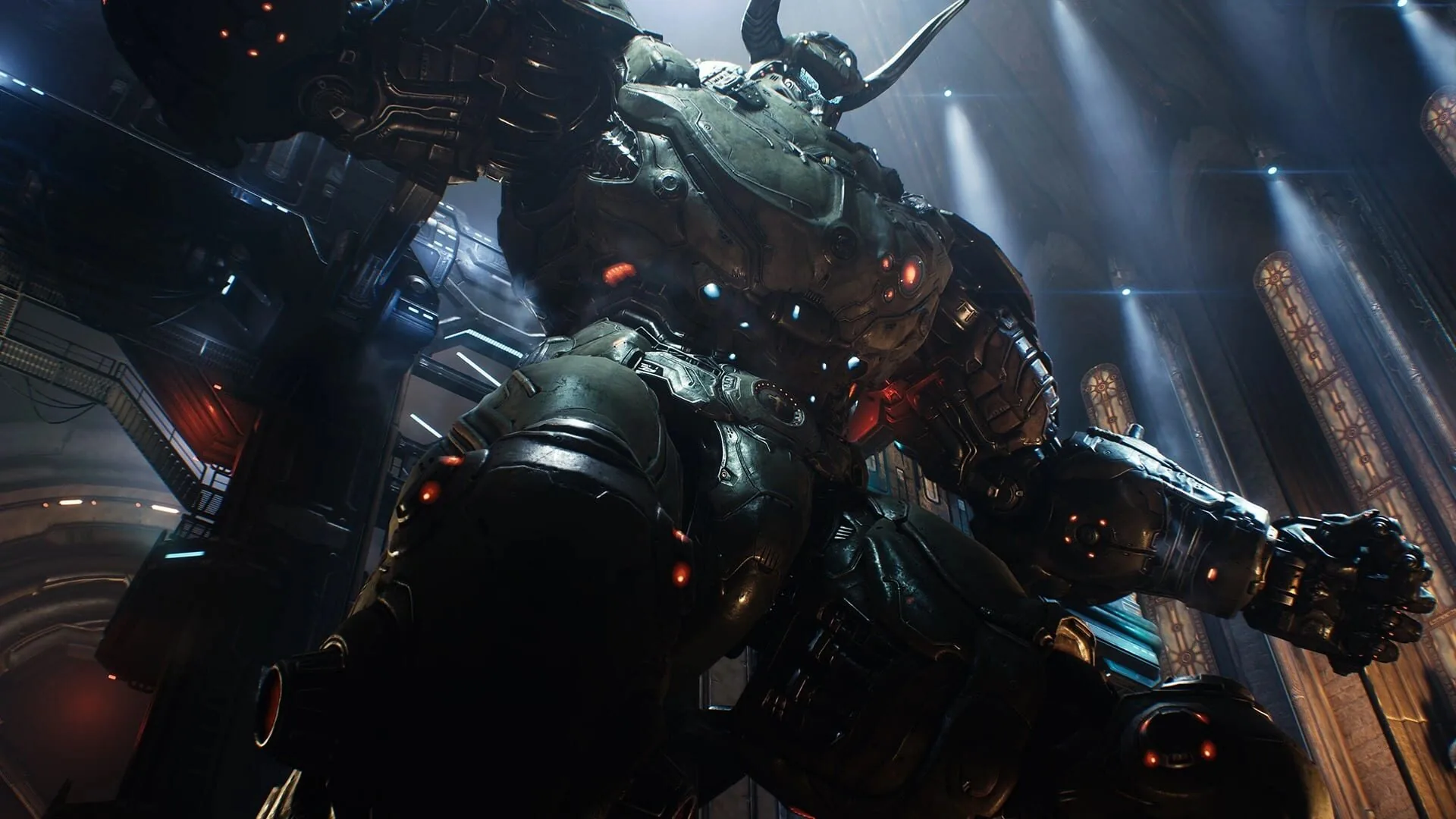
Ultra-Nightmare takes Nightmare's brutal difficulty and grafts on total permadeath: if you die, your entire campaign is reset, full stop. Saving only happens at the end of each chapter, which means dying deep in a long chapter sends you back to its start if you retry, and to zero if you lost your single life. Life Sigils, which elsewhere let you revive or restart a chapter, here serve only to heal: they will never grant you a second chance.
That is the crucial difference from Pandemonium, the other permadeath mode. In Pandemonium, as long as you have a Life Sigil left, you can restart the chapter after dying: a "soft" permadeath that forgives the mistake if you managed your stock. In Ultra-Nightmare, that safety net does not exist. If you are new to permadeath, cut your teeth on Pandemonium before attempting Ultra-Nightmare: the gameplay is identical, only the stakes change.
Yes, and it is a point too many players neglect. DOOM The Dark Ages offers a slider system that lets you finely tune the game's pace, damage dealt and taken, the parry window and other parameters. Key point: these sliders also work on Ultra-Nightmare, but once the run has started, you can no longer return to a standard game. So set them beforehand, with full awareness.
The winning strategy is to give yourself margin where you need it without undermining the challenge. Slightly widening the parry window is the most profitable setting: parry is the heart of survival, and a few extra frames to land it hugely reduce silly deaths. You can also lower incoming damage one notch to turn some fatal mistakes into mere scares. Conversely, slowing the game down may seem tempting, but too slow a pace robs you of the mobility that saves you: prefer to keep a sharp speed and compensate with the parry window. The goal is not to cheat, it is to neutralise pure bad luck on a run that can last dozens of hours.
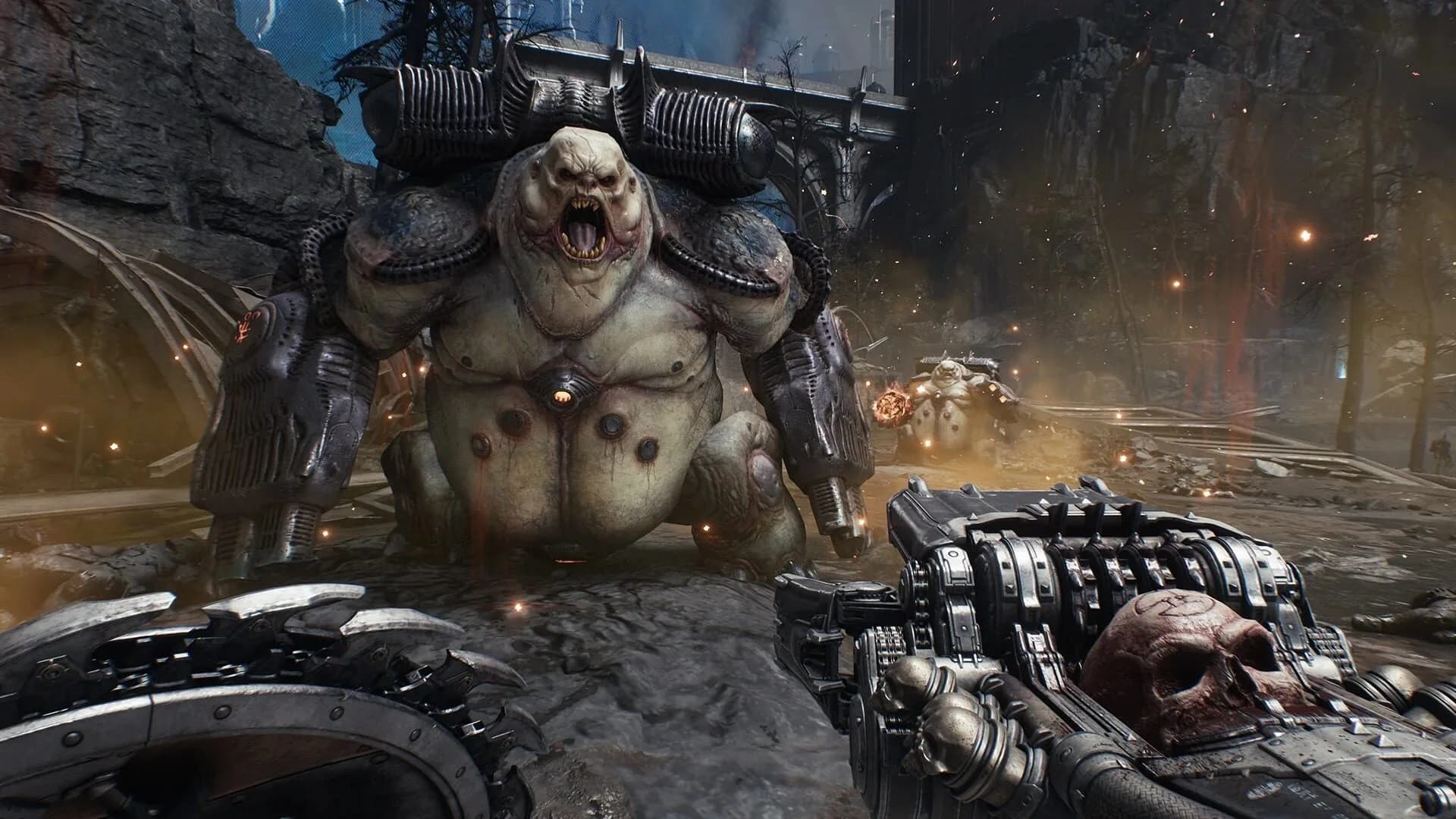
On Ultra-Nightmare, defence is not the opposite of attack, it is part of it. The shield is your best friend: it blocks, it throws at range as a saw to cut down enemies in cover, and it lets you charge toward a target to close the gap. Learn to alternate blocking and movement without ever standing still, because a stationary Slayer on Ultra-Nightmare is a dead Slayer.
Parry is the queen skill. In The Dark Ages, projectiles and attacks that glow green can be parried: with the right timing, your parry deflects them and creates an opening. Do not suffer green shots, seek them out. An enemy peppering you with parryable projectiles is a disguised opportunity, not a threat, provided you have the reflex to deflect rather than dodge. Melee, heavier and more impactful than in previous entries, completes the set: it is your main source of healing, so striking at the right moment is not a luxury, it is your survival system. The block, parry, strike triptych must become a single fluid reflex.
DOOM's golden rule has always applied, and doubly so on Ultra-Nightmare: aggression is your best defence. Health is recovered by striking enemies in melee and finishing weakened targets, armour and ammo regenerate by staying in contact rather than fleeing. Backing off to stall means cutting yourself off from your own survival sources and rotting your economy. The paradox of the game is that staying in the melee while managing your parries wisely is safer than retreating.
Concretely, never dump all your resources at once. Always keep a Life Sigil available for an emergency heal, do not waste your heavy ammo on weak enemies a melee hit can finish, and before every big fight scout the arena's refill sources. Anticipating where your next burst of health will come from in the middle of the chaos is what separates a run that holds from a run that collapses. Treat every arena as a resource puzzle as much as a fight.
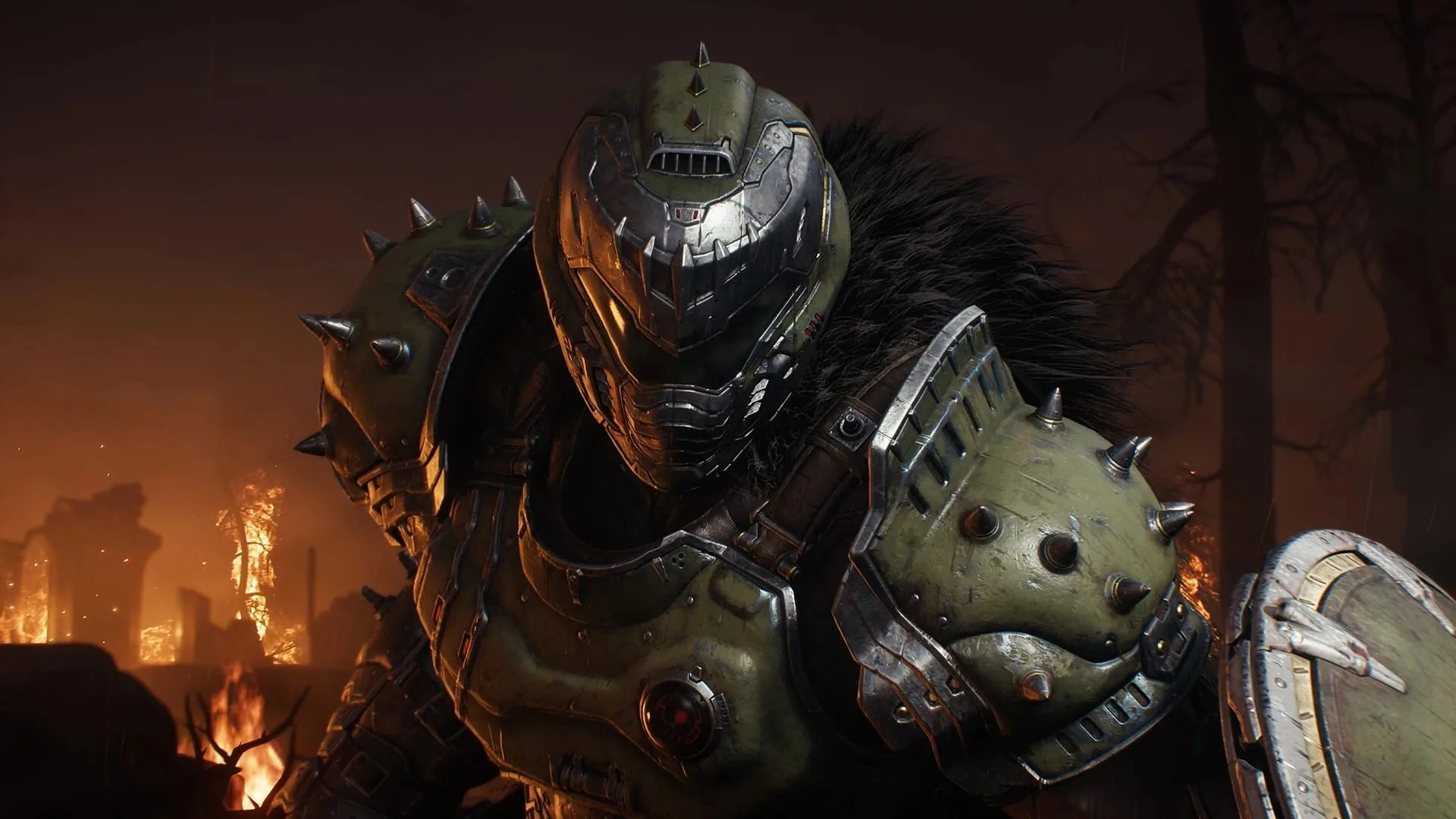
On Ultra-Nightmare, you do not play a favourite weapon, you play the right weapon at the right moment. The game gives you a dozen firearms, three melee weapons and the Shield Saw: here is how to sort them by role so you are never caught short.
For all-round basics, the starting Combat Shotgun and the Super Shotgun cover close range with a devastating burst that drops a mid-tier enemy in one or two triggers. Against swarms of weak enemies, the Shredder and the Skullcrusher, which flings crushed skulls, tear groups apart and free up the breathing room you need. The Pulverizer, a medieval cannon that ramps up with each kill, and the Ravager, more accurate and capable of sustained fire, are your rate-of-fire mincers to keep a continuous flow of damage.
Some enemies demand a specific weapon, and that is where knowing the arsenal saves runs. Against energy shields, the Accelerator, which ramps up to unleash heat blasts, is built to break that protection where another weapon would run dry. The Impaler, with its slow, precise spike shots, pins targets at range and, a major asset on Ultra-Nightmare, recharges your melee, hence your main source of healing. For priority targets and heavy damage, the Rocket Launcher and its risk-reward healing mechanic hit the mark, as does the Grenade Launcher on compact groups.
Finally, the heavy weapons open breaches when things get tense. The Chainshot, that ball on a chain you charge before hurling, deals colossal impact damage and is worth the detour on its own, while the Ballistic Force Crossbow can annihilate an entire group of demons in one shot, a wildcard to keep for desperate moments. On the melee side, the Power Gauntlet ramps up in damage with each hit of a combo on a single target, while heavy weapons like the flail and the mace strike in an area: alternate them depending on whether you are targeting one big isolated enemy or a tight cluster. The Shield Saw stays transversal, at once shield, parry tool and blade you throw to carve enemies in cover. The key is not finding the best weapon, but instantly switching from one to another according to the threat: hesitation costs lives.
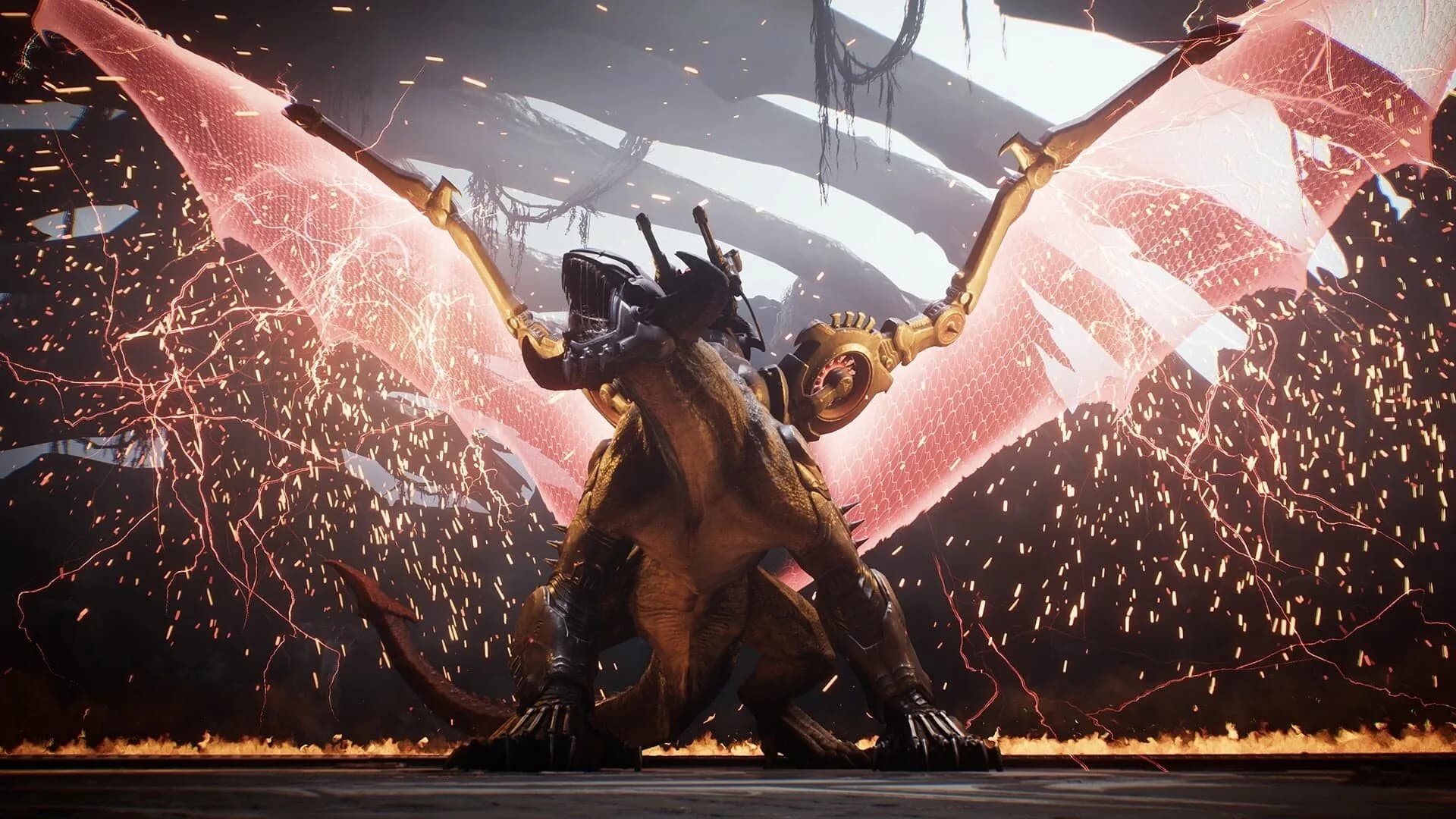
Survival depends on your ability to rank threats. Eliminate first the ranged shooters that harass you and stop you concentrating, then the enemies capable of pinning you in place or surrounding you. The big imposing demons are often less dangerous than they look because their attacks are telegraphed and parryable: do not panic in front of them, but never turn your back on the small harassers nibbling your health bar while you are busy elsewhere. On Ultra-Nightmare, it is rarely the boss that kills you, it is the accumulation of small mistakes under the pressure of a poorly managed swarm.
The first trap is mental: rushing at the end of a chapter. Knowing that saving only happens at a chapter's end, the temptation is strong to charge ahead to "secure" the checkpoint. That is exactly where runs die. One neglected enemy, one unparried projectile because you were running for the exit, and it all collapses. Stay methodical all the way through each chapter, especially in the final metres.
The second trap is the sections that break the rhythm of ground combat, notably the piloting phases. They follow a different logic from the core game and can surprise you with unexpected difficulty spikes if you approach them with on-foot combat reflexes. Learn their patterns beforehand, ideally on a lower-difficulty run, so you do not discover a deadly sequence with your single life on the line. Finally, beware of enclosed multi-wave arenas: those are the moments when resource management and target prioritisation decide everything. Advance cautiously, trigger fights when you are ready, and never let yourself be cornered in a spot with no escape.
What is the hardest mode in DOOM The Dark Ages?
Ultra-Nightmare: a single life for the entire campaign, death meaning a full reset, saving only at chapter's end and Life Sigils limited to healing.
What is the difference between Ultra-Nightmare and Pandemonium?
In Pandemonium, you can restart a chapter after a death as long as you have a Life Sigil left (soft permadeath). In Ultra-Nightmare, dying resets the whole campaign with no second chance.
Should you set the sliders before starting your run?
Yes, mandatorily, because you can no longer change them once the Ultra-Nightmare run has begun. Widening the parry window is the most useful setting to limit unfair deaths.
What is the best survival strategy?
Controlled aggression: stay in contact to recover health, armour and ammo, systematically parry green attacks, and prioritise enemies by eliminating shooters and harassers first.
How do you handle the piloting phases in permadeath?
Learn their patterns on a lower-difficulty run before attempting Ultra-Nightmare, because they follow a different logic from ground combat and can kill by surprise.
Guide written from the PC version.
Found something better? Come and improve this guide on our Discord.