7
Test
Mycopunk: put a deflector shield on a chainsaw, the studio does not care
Scrapheap robots sent to exterminate a planetary fungus. The 1.0 lands tomorrow, and the upgrade grid is the genre's best idea.
Alexandrosse
9 min
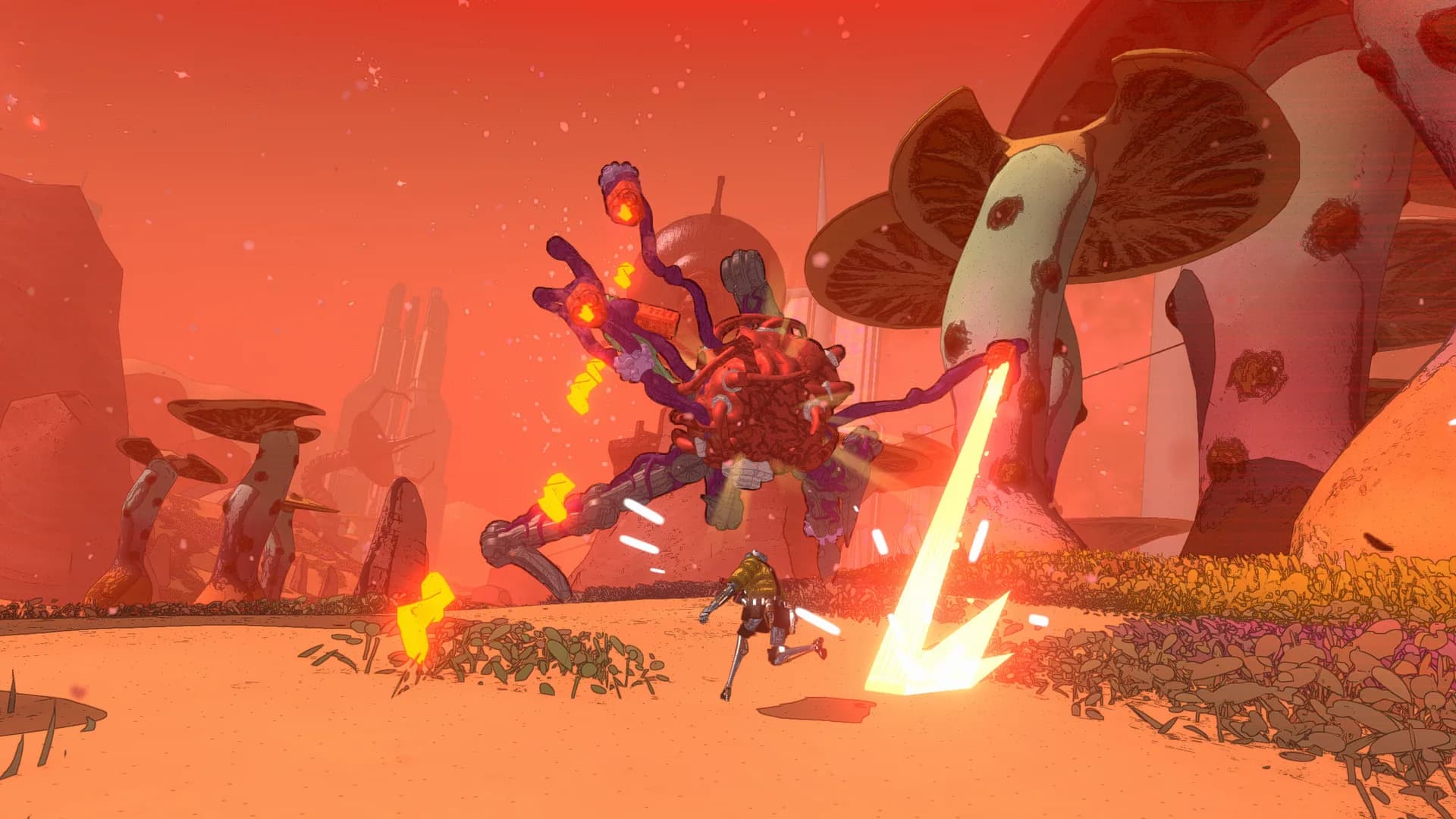
Almost everybody who quits does so before hour two. Here is what the game does not explain and you need to know.
Alexandrosse
There is a pattern in Mycopunk's reviews that should worry the studio as much as it reassures players.
The people who love this game nearly all write the same thing: I did not enjoy my first hour.
One player says it outright: at the start the game is nothing special, and it is around two, two and a half hours in that it clicks. Another, at sixteen hours, describes having no idea what was going on during the first hour, and says it is a great game once you know what you are doing.
So here is what you need to know to reach the second hour.
This is the central mechanic and the one the game explains worst.
Your upgrades are mods with shapes, which you slot into grids. Your weapons have a grid. Your robot has a grid.
And there is no rule beyond available space. No reserved category, no minimum level, no incompatibility. The studio says so itself: whatever upgrades you can fit in are fair game.
Practical consequence, and this is the habit to build immediately: stop judging a mod on its power, judge it on its shape.
A small mediocre mod plugging a two-square hole is often worth more than a big excellent mod forcing you to leave four squares empty elsewhere. In this game, wasted space is the only real loss.
The game's description tells you that you can be a healer, or put a deflector shield on a chainsaw, or turn yourself into a bomb, and that the studio does not care.
That is true, and it is a trap for beginners.
When you are allowed to do everything, the natural instinct is to take a little of everything. It is the worst possible strategy, because your grid space is limited: spreading your mods across five directions gives you five insignificant bonuses instead of one visible effect.
Pick a direction by the third mission and hold it. You will start again later with another.
Advertisement
This is the game's number one complaint, and it should be taken as an instruction rather than a criticism.
Several experienced players say it: solo, enemies are incredibly accurate even at distance, some attacks delete your entire health bar, and the big creatures are sluggish to bring down because nobody is pulling their attention.
The game is built for a squad. One robot alone against a horde with good aim is a robot that dies learning little.
If you have nobody to hand, two tips. Lower the difficulty without guilt: the game offers seven levels, and several players note that the one described as "the recommended experience" is in fact the hardest. That is not a point of honour, it is a setting.
And use the 1.0 launch to find people. It is precisely the moment the population climbs back.
Here is the thing that changes everything once you see it, and that nobody tells you.
Enemies pick up what other enemies drop.
You take a creature apart piece by piece. Those pieces fall. And another creature can grab them.
Which means how you kill matters as much as what you kill. Dismembering a big target in the middle of a group potentially arms the whole group.
The habit to build: isolate before you dismantle. Pull the big creatures aside, or clear the small ones first. That is counter-intuitive in a shooter where the instinct is to aim at the biggest threat first.
Enemies also corrupt the planet's technology and turn it against you. Scenery that helped you at the start of a mission can be hostile by the end.
Several players report the hub and menus are hard to understand, and that you progress by guessing. Here is the order that struck me as most efficient.
1. Touch nothing for the first two missions. Go out with your starting equipment. You do not yet know what you enjoy, and fiddling with your grids before understanding the combat is optimising into a void.
2. On the third mission, choose your axis and empty your grids to rebuild cleanly around it.
3. Only then explore the rest of the hub. The side services become legible once you know what you are looking for.
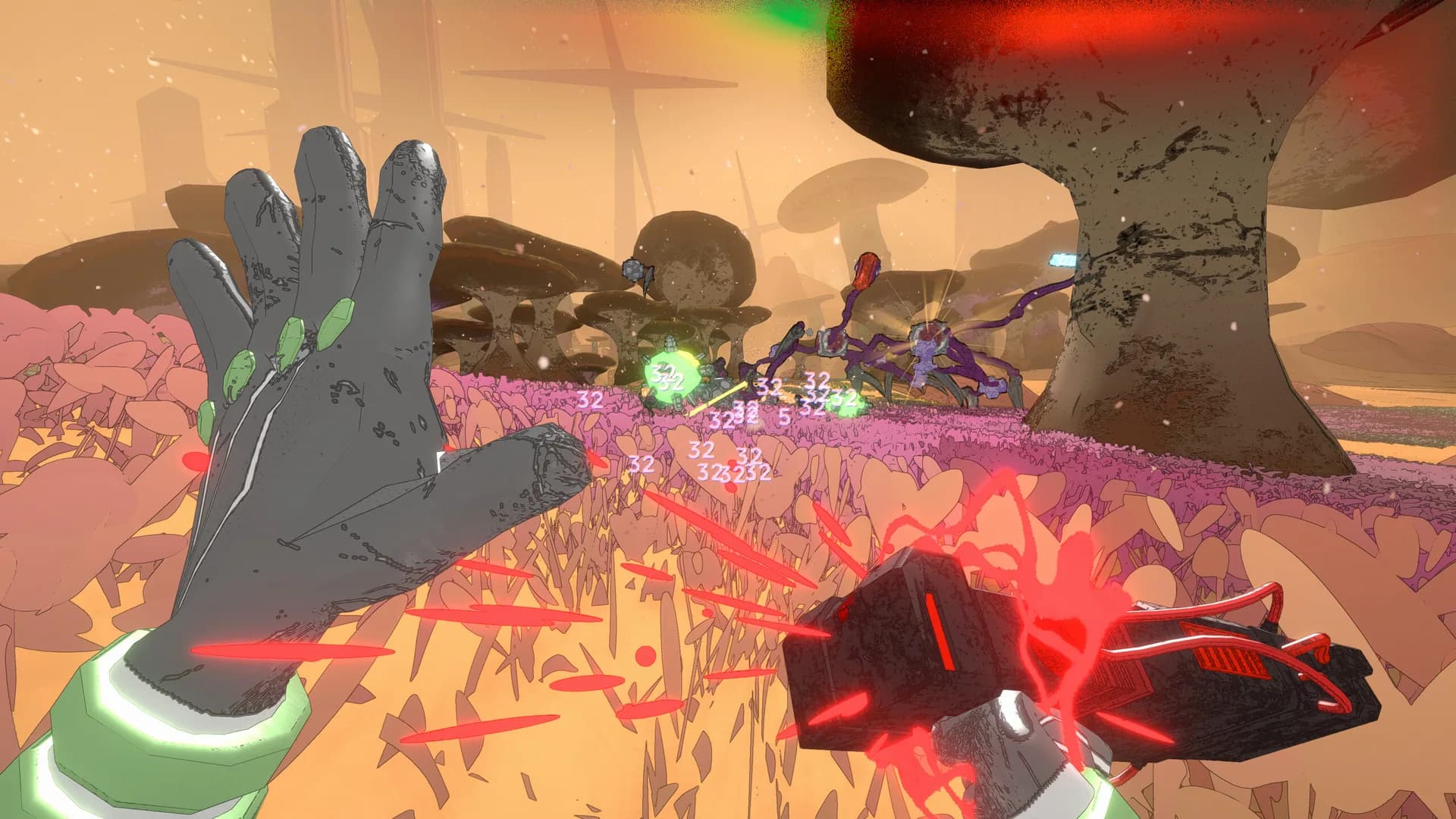
1. Filling your grids at random the moment you get your first mod. You end up with a mosaic of bonuses with no direction, and the space is gone.
2. Raising the difficulty because the game calls a level "recommended". Experienced players themselves find that level brutal. Start low, climb later.
3. Quitting at minute forty. That is statistically when people leave, and it is just before the systems open up. The game reveals itself when the waves get dense, not before.
Several players report freezes, including hard ones. One had four in three hours, only one of them in DirectX 12 mode, which is described as experimental.
Practical tip: if you crash, stay in standard mode. And if it persists, the 1.0 is precisely when this sort of thing is meant to be fixed. Report rather than refund, the studio is responsive.
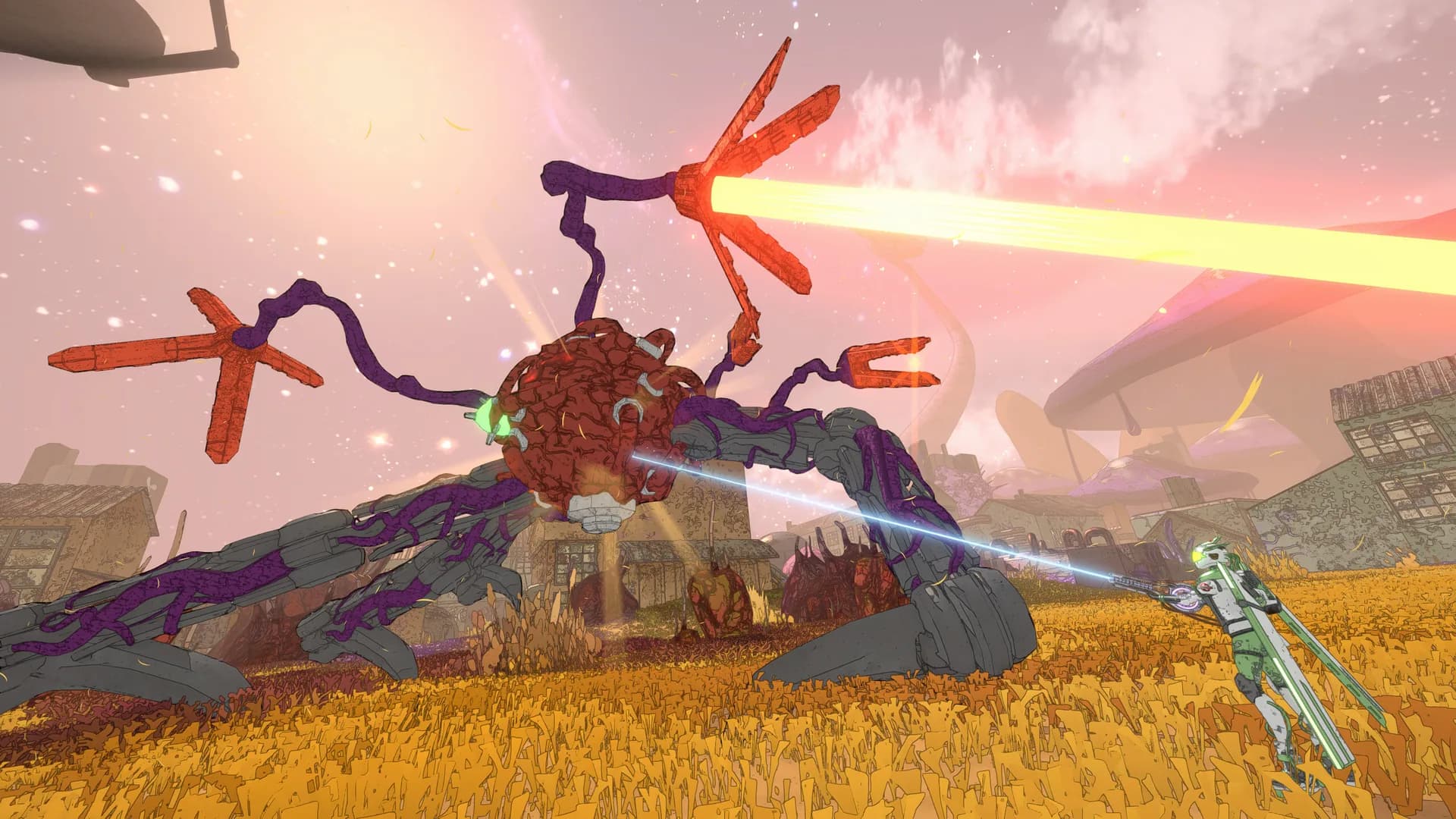
Got a build that should not work and does? That is exactly what this game asks for, share it on the InsertCoins Discord.
Community
Your rating
Advertisement
Loading comments...
You might also like
Scrapheap robots sent to exterminate a planetary fungus. The 1.0 lands tomorrow, and the upgrade grid is the genre's best idea.
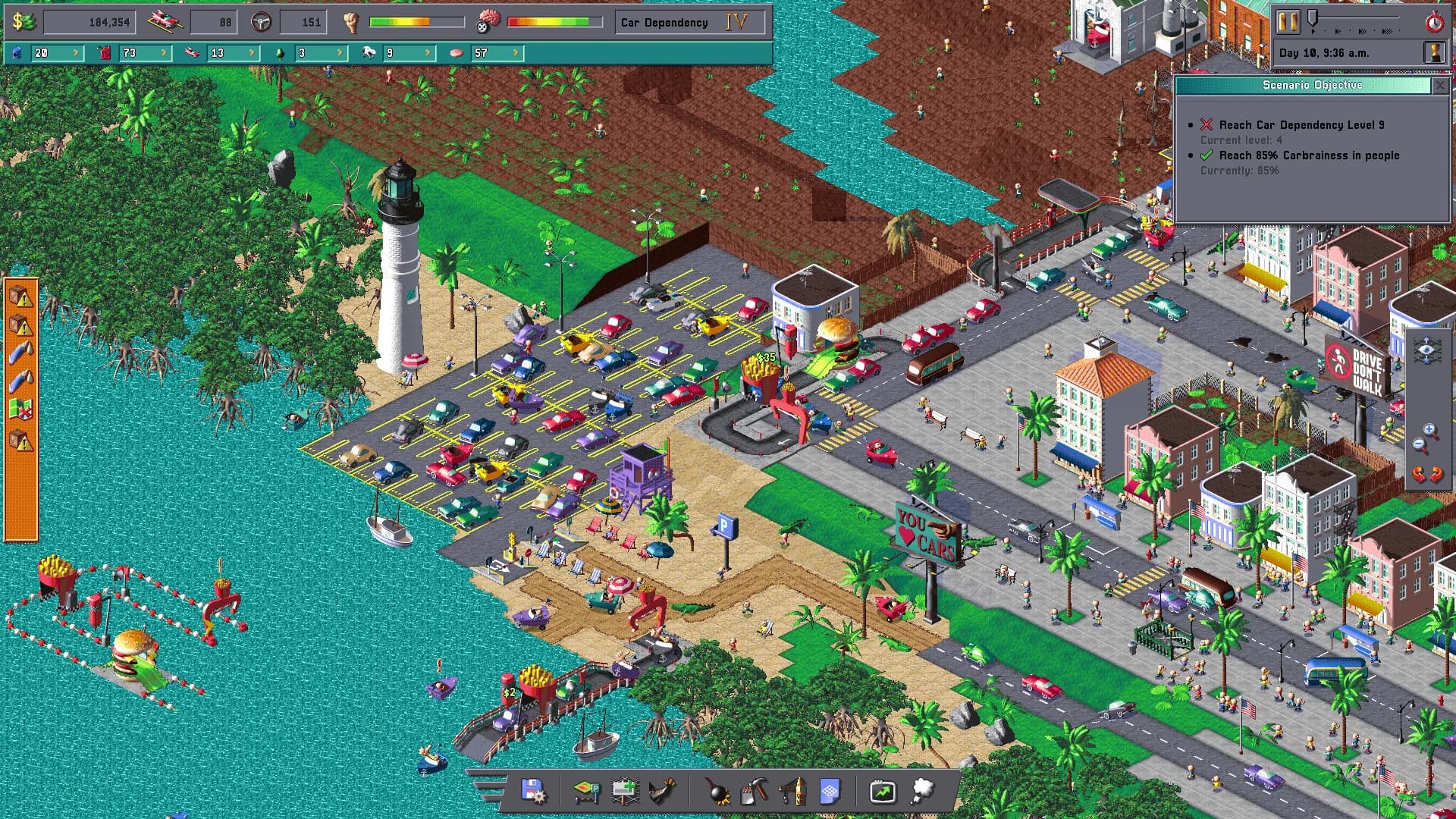
Your car park is not your income, it is your conversion tool. Until you grasp that, you stall in scenario one.
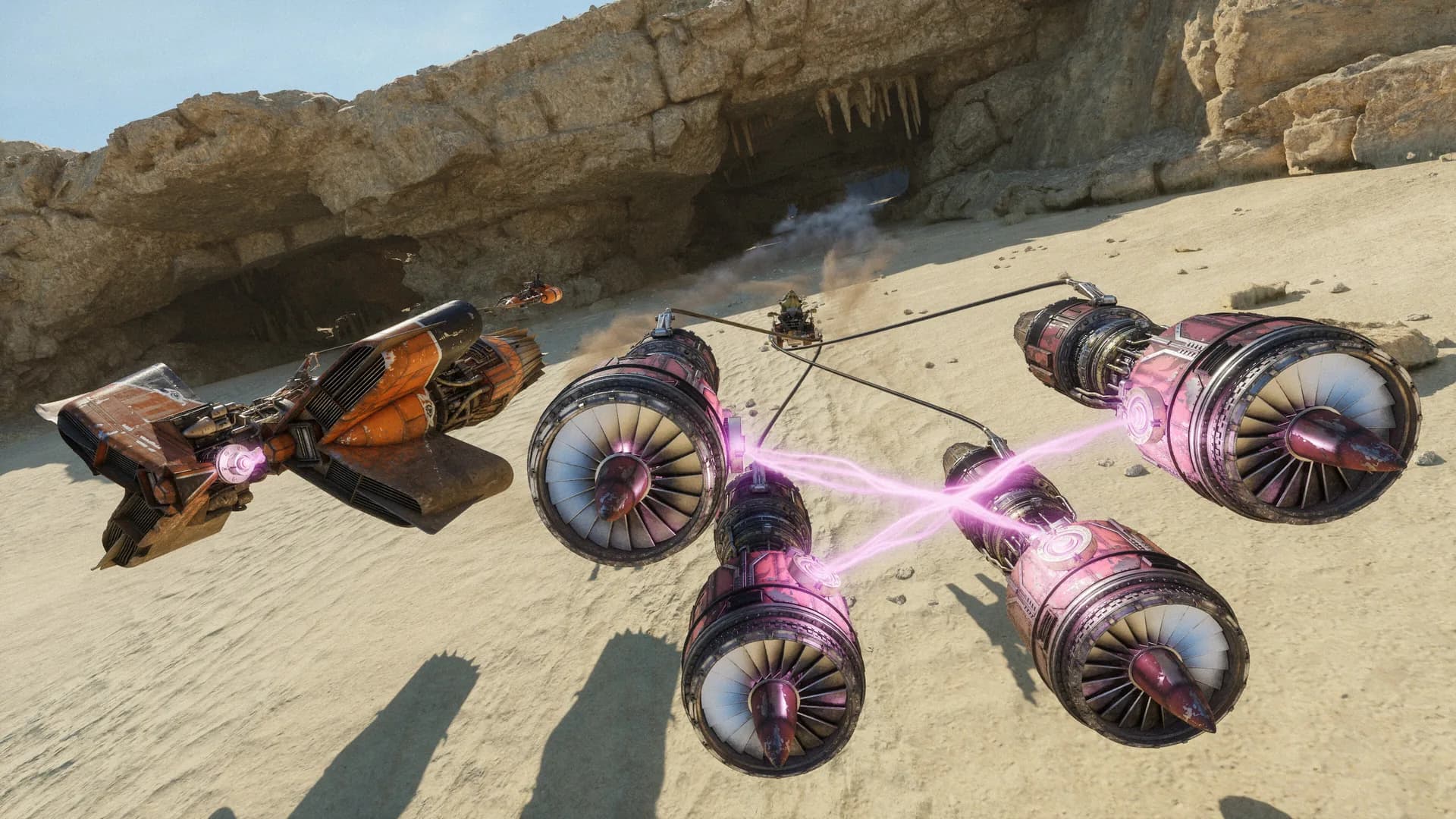
The ramjet, the heat, the planets that change your thermals, and the golden rule of parts: never build wide.
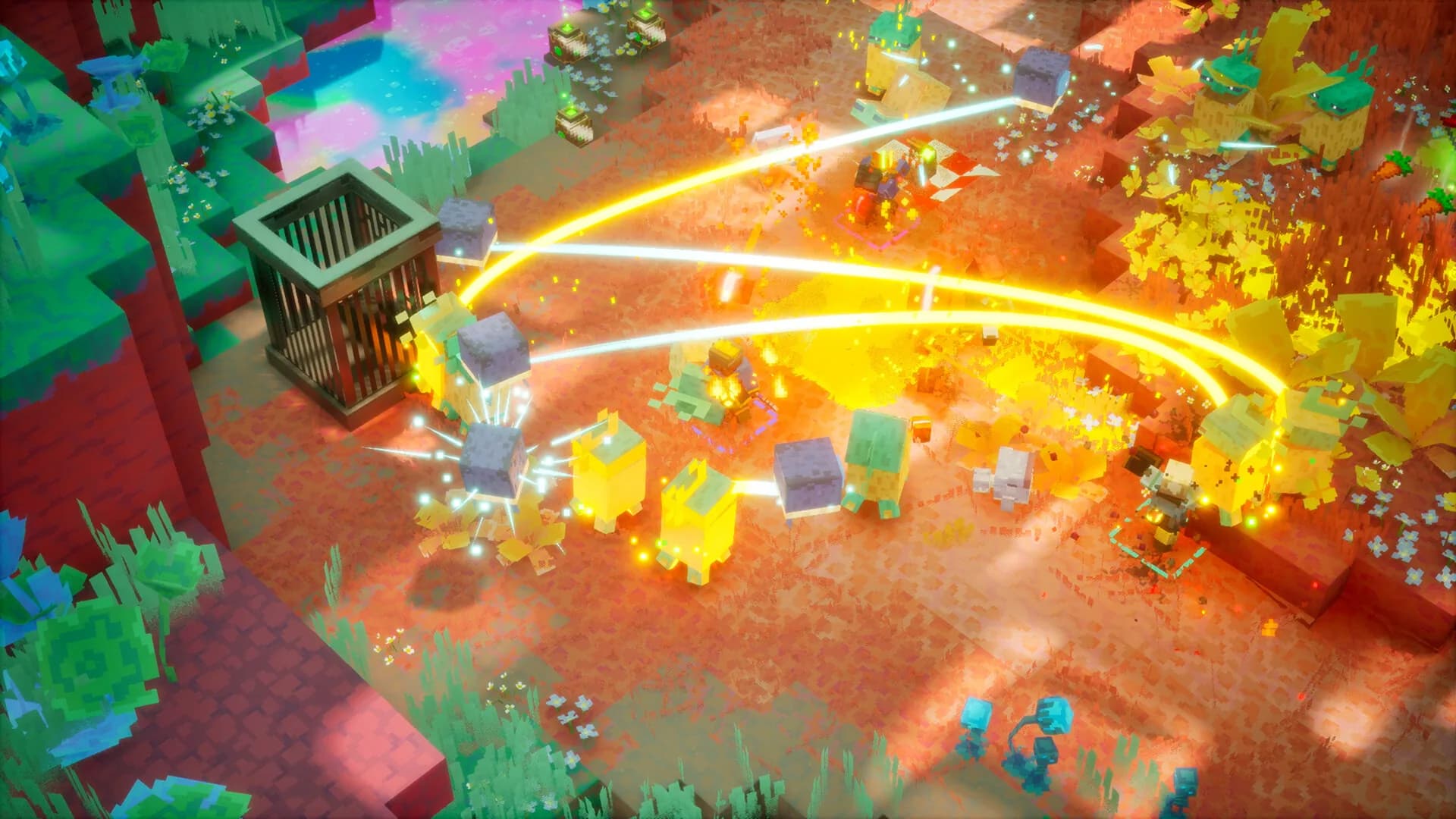
100 echo shards maximum, 10,000 emeralds maximum, enchantment books reusable forever. All of it hidden.