8.5
Test
Dungeonbound: a backpack, a CRT screen, and the ghosts of other people's builds
540 items to fit in a backpack, rivals that are other players' real builds, and four-player co-op. Dungeonbound is the surprise of the day.
Alexandrosse
4 min
Long Haul or Ascension, the board's trigger order, merging, forging and the new statuses. Everything that matters in your first hours.
Alexandrosse
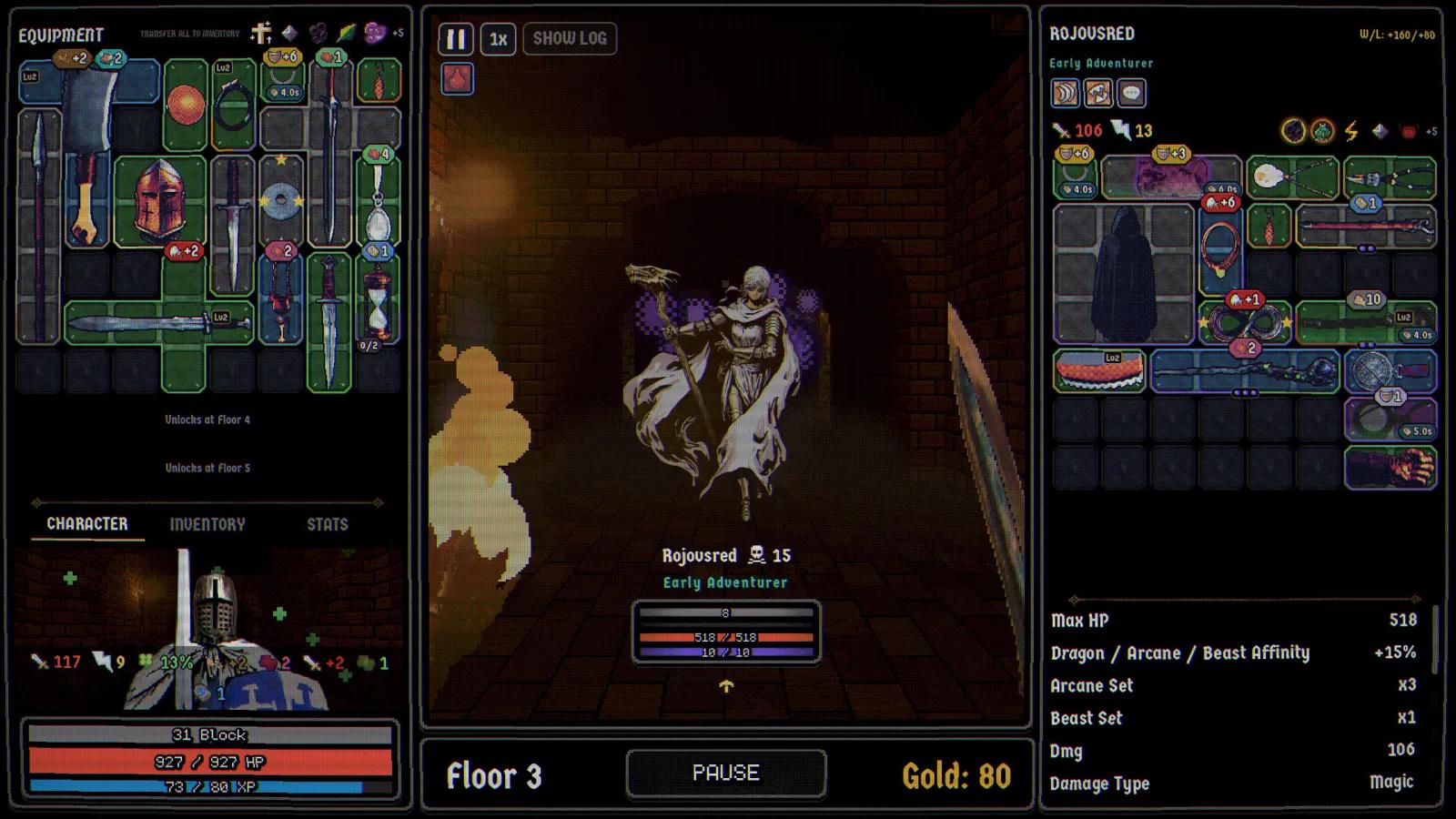
Dungeonbound throws a lot of information at you from the first run: an equipment grid, a shop, runes, a forge, three game modes. Here is what you need to avoid getting lost, plus a few habits that win you floors. For our take on the game itself, see our review.
The Long Haul is the incremental mode. You play seven heroes (Warrior, Mage, Rogue, Monk, Archer, Alchemist, Paladin), each with their own gold, levels and permanent upgrades. Dying sends you home with your loot: you lose floors, never your progress.
It is the best place to learn how items interact, with no pressure. The Ascension, the roguelike mode, is unforgiving: five hearts, and when the last one goes, the build is destroyed. Only your rank survives.
A tip: do not spread your gold across all seven heroes early on. Invest properly in one or two; one hero's progress is never lost while you play another.
This is the most important rule, and the least obvious. Each attack travels around your board and triggers every item it crosses. Two consequences:
Click a type tag (an item category) to highlight every piece of that type on your board. It is the fastest way to check a synergy.
Advertisement
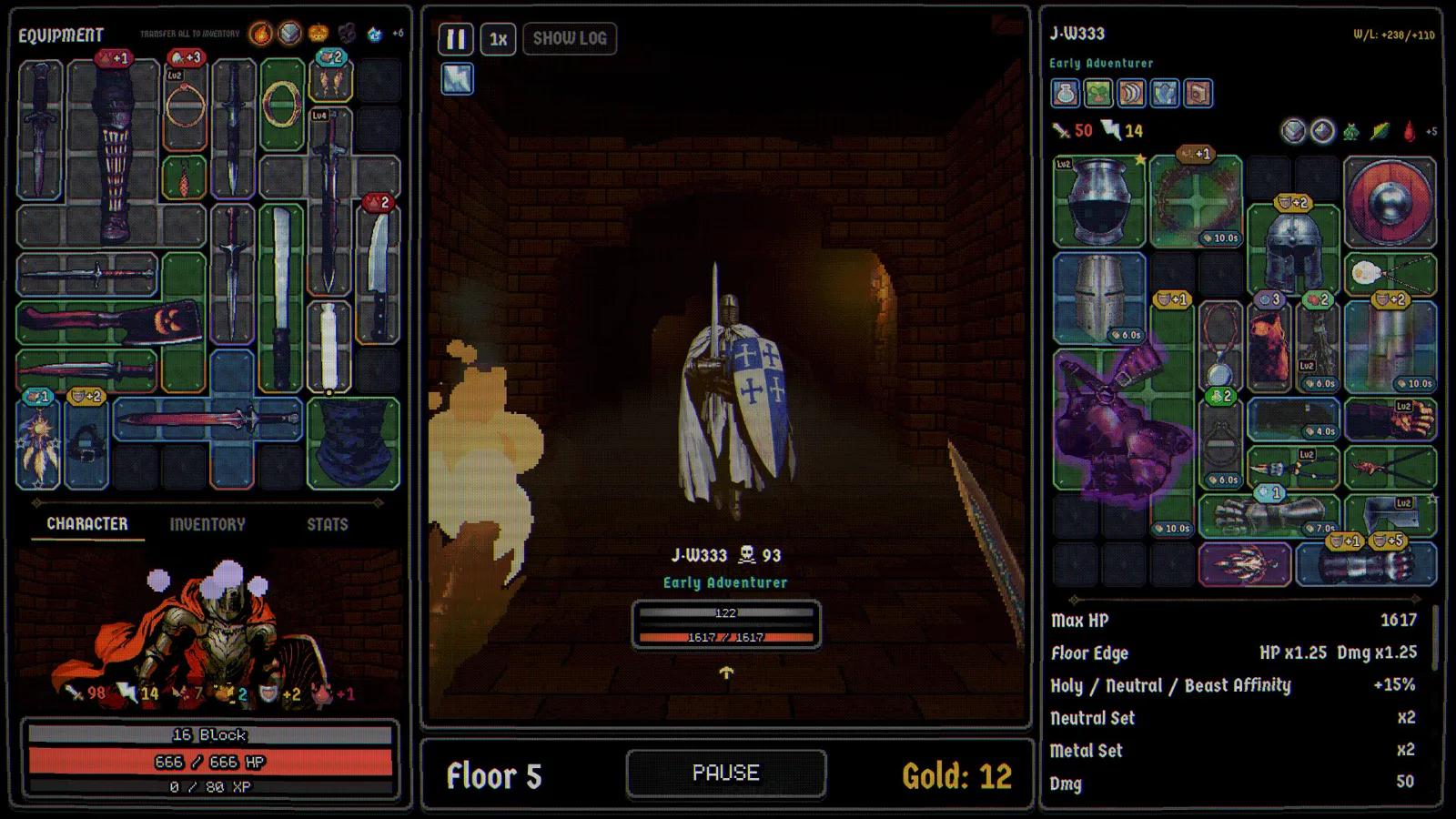
Turn order depends on speed. Acting first also means acting more often, and a fast hero gains extra hits against a slow enemy. Early on, a speed item is often worth more than a slightly stronger damage item.
Overkill damage spills onto the next enemy in line: against groups, a single big hit pays off more than it seems.
Upgraded items can take gems, potions included. And remember locking: a locked item will not go out with the bag's "sell all" button.
The last update before launch added four statuses, and they change quite a few fights:
Blind, Silence and Root each lose one stack per second. Against them, speed and items that do not rely on a timer are your best friends.
The rivals in your way are real builds from other players. When one beats you, watch the replay: it is the best school in the game. You can browse the list of builds you have beaten, and build codes let you share or copy a setup.
On each of the first five floors, you pick one relic out of three. Relics bend the rules of the whole run: choose them for your board, not for their rarity. Ranked ascensions promote you at floor 8.
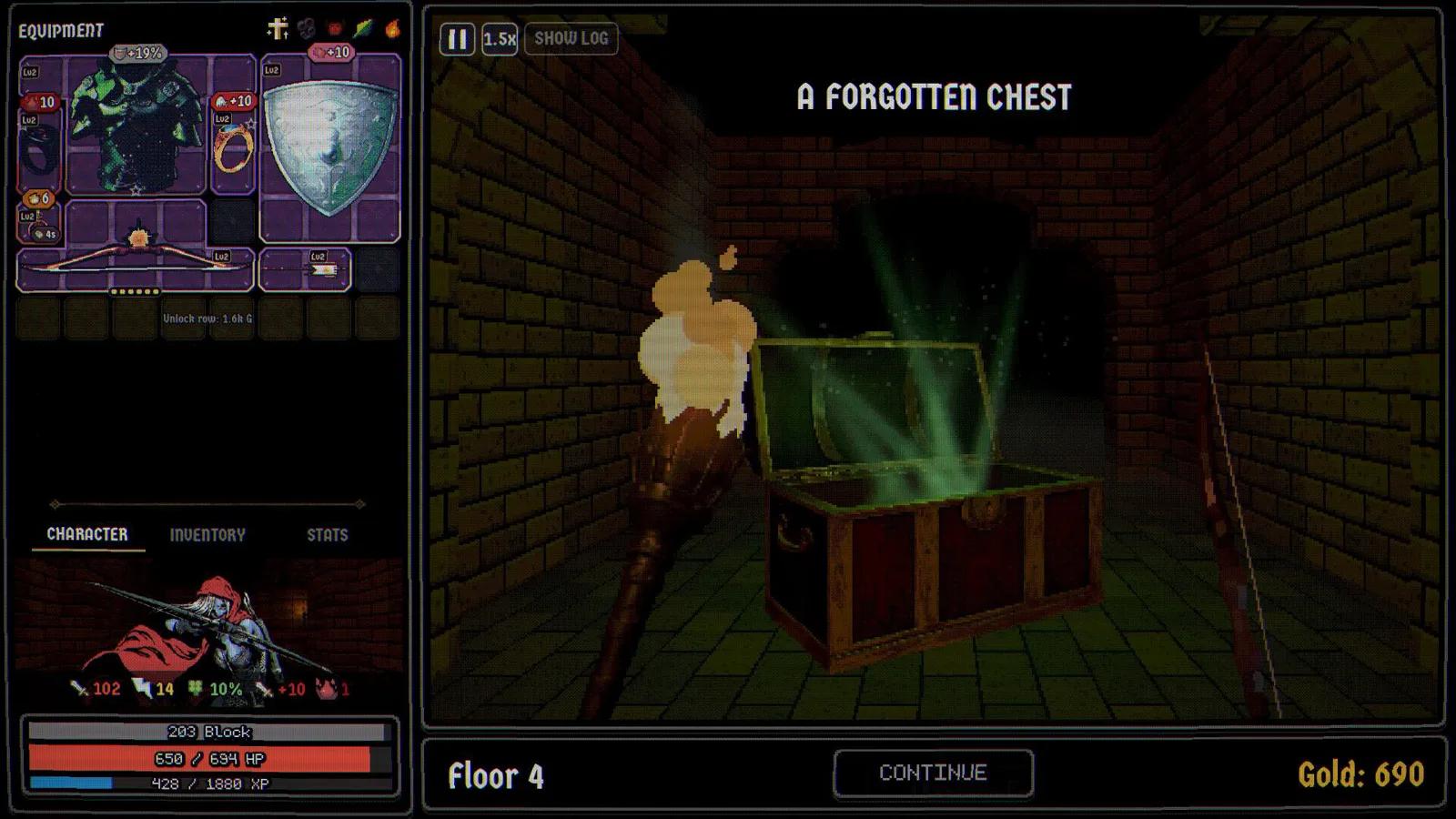
Everyone keeps their own purse, shop and relics, and the team shares five hearts. To give an item to a teammate, drop it onto their board. Some co-op exclusive items reward whoever gives them away: do not hoard them. When an enemy drops loot, everyone picks, and dice settle disputes.
Finally, the Daily gives everyone the same ascension each day, with three modifiers. No reward, just the leaderboard. It is the best place to measure your instincts against everyone else's.
Got a build that will not take off? The InsertCoins Discord always has someone willing to look at your board.
More on Dungeonbound
All about DungeonboundCommunity
Your rating
Advertisement
Loading comments...
You might also like
540 items to fit in a backpack, rivals that are other players' real builds, and four-player co-op. Dungeonbound is the surprise of the day.
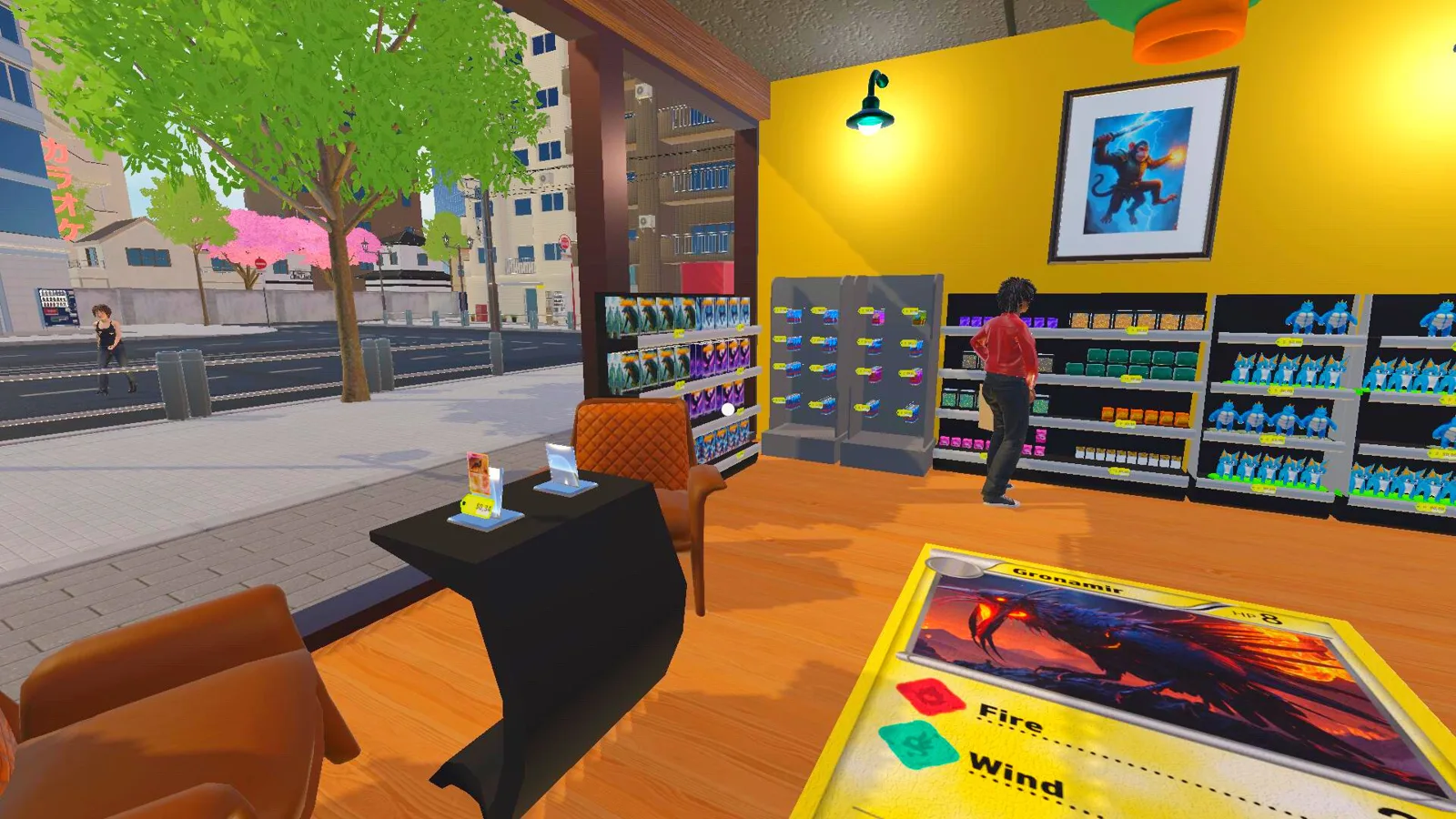
Who does what with four players, how many boosters for a legendary, what vending machines are for, and what your cards are really worth on Steam.
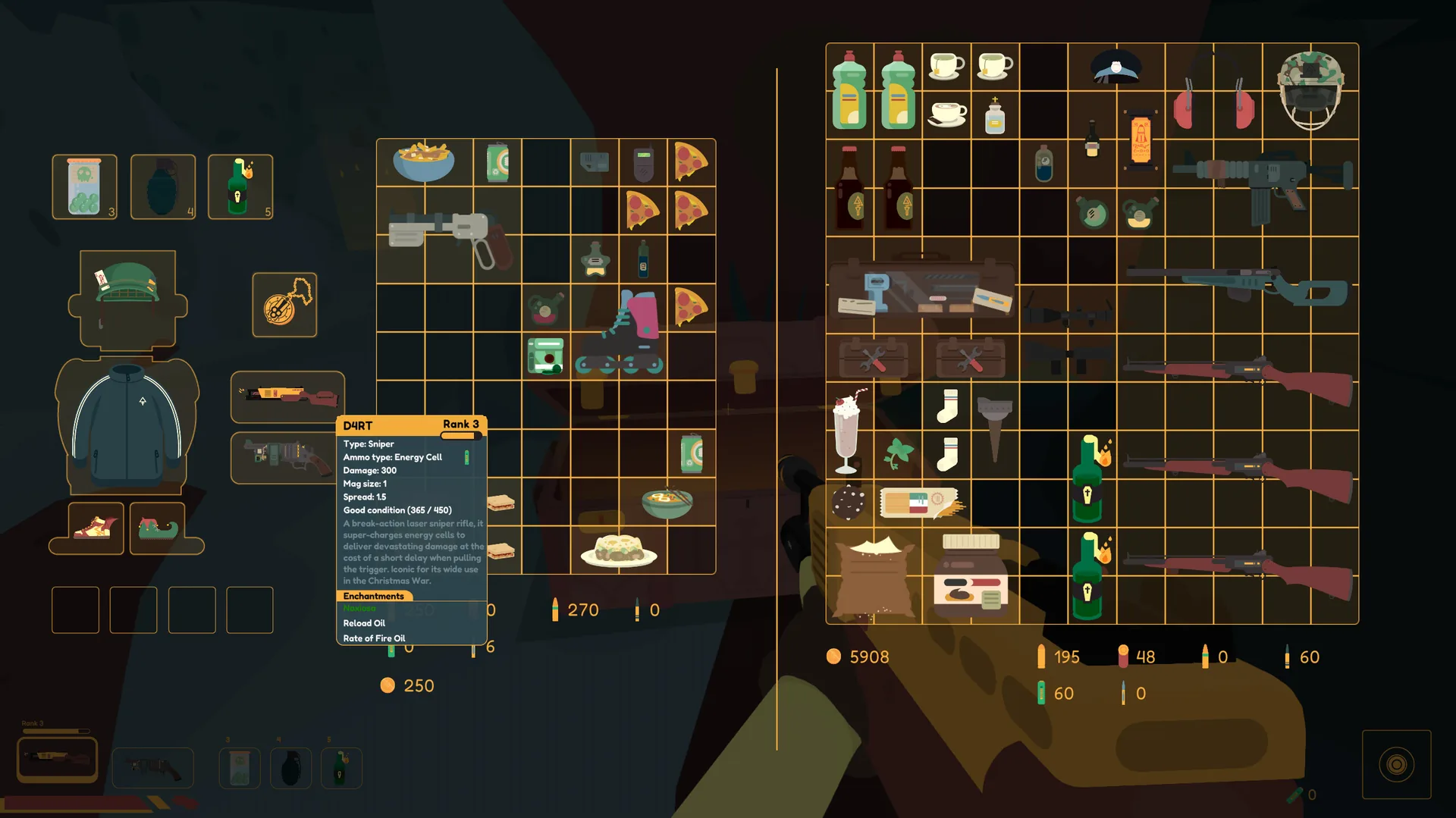
What you bring may be lost, what you leave will not be there. Here is how to arbitrate, and how to survive the enemy spikes.
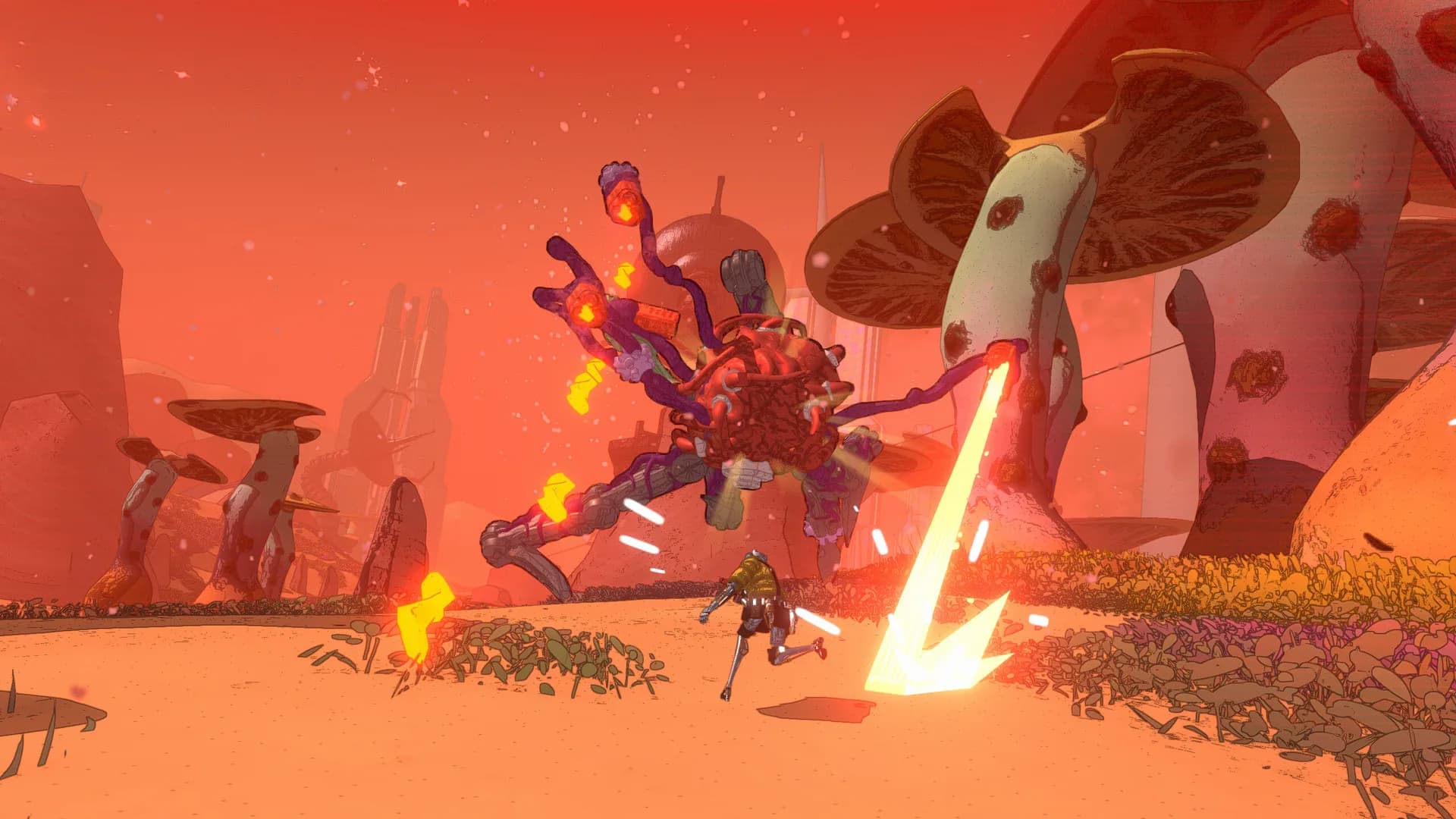
Almost everybody who quits does so before hour two. Here is what the game does not explain and you need to know.