8
Test
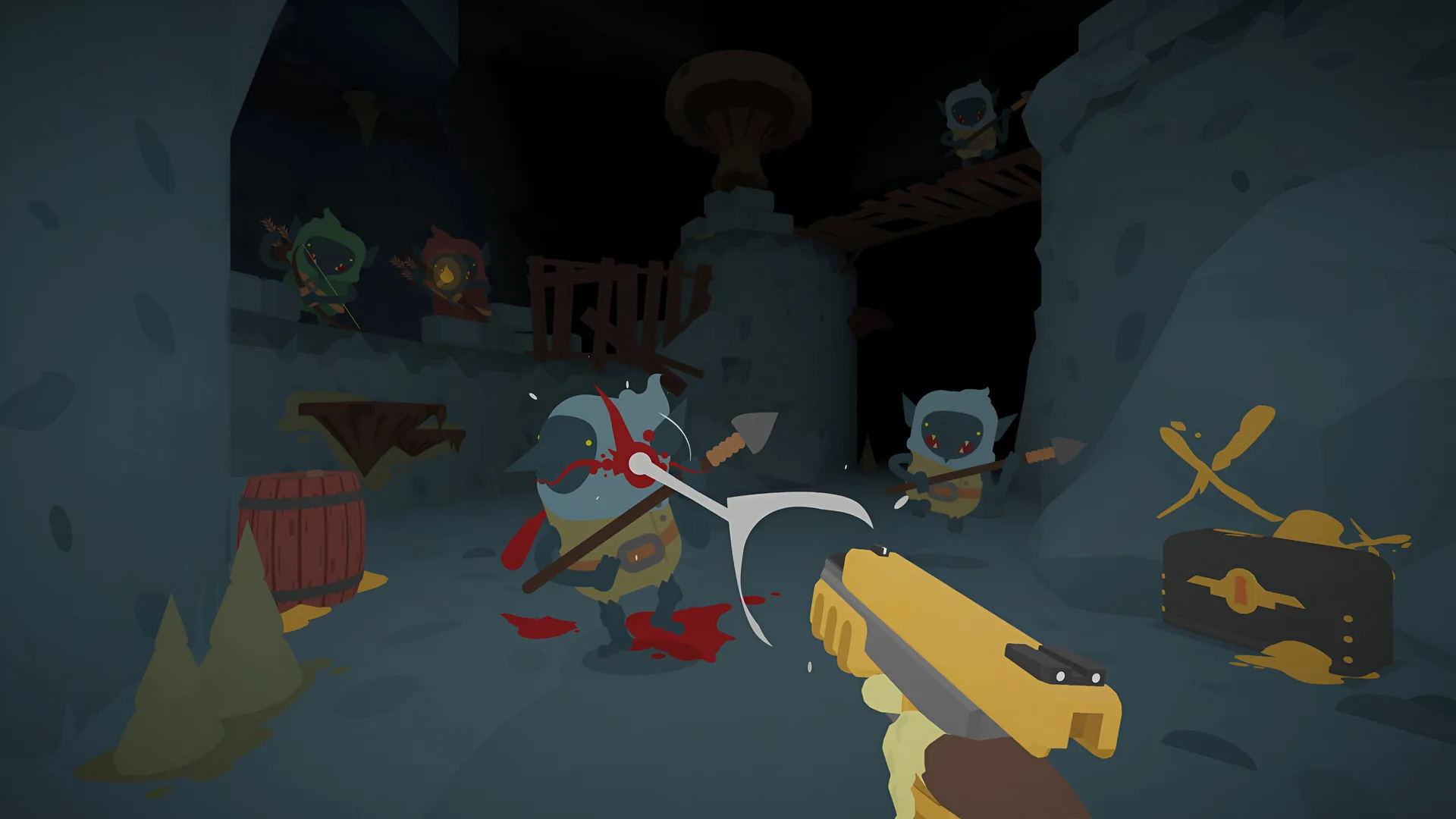
SULFUR: a solo extraction shooter that is mostly a cooking game with guns
6,550 reviews, 83 per cent positive, and a 1.0 after two years. Two different boots on your feet, and nobody stealing your loot.
Alexandrosse
10 min
What you bring may be lost, what you leave will not be there. Here is how to arbitrate, and how to survive the enemy spikes.
Alexandrosse
There is a sentence on SULFUR's store page that contains the entire game, and most people read it without understanding it.
"The gear you bring may be lost if you fail, and the equipment you leave behind won't be there when you need it most."
Read it twice. It describes a trap with two jaws: bringing things is risky, and so is not bringing them. Everything else in this guide follows from that.
That is the instinct new players lack, and the one that costs most.
Arriving from a conventional shooter, you always head out with your best equipment, because that gives you the best odds. In an extraction game, you have to reason the opposite way.
Before every run, ask yourself one question: if I lose all of this right now, is my save in trouble?
If the answer is yes, you are carrying too much. Leave something.
And the reverse is equally true, that is the trap's second jaw: setting out with poor gear to risk nothing guarantees a failure and a round trip for nothing. The right equipment level is the one giving you a real chance while leaving you something to restart with.
Here is the problem players report most, and knowing about it will spare you a lot of unfair deaths.
One player described the spawn rhythm like this: nothing, nothing, two enemies, nothing, three enemies, nothing, nothing, thirty-seven enemies plus five elites, two enemies.
That is not an exaggeration, and the studio has worked on it since. But you will still meet rooms bearing no relation to the previous ones.
Practical consequence, and this is the most useful advice in this guide: never judge an area's danger by the rooms you have just crossed.
Three empty rooms do not mean the fourth is calm. Always enter as though this is the loaded room, keep a door at your back, and never reload in the open simply because the last few minutes were quiet.
And keep an exit reserve. Ammunition and healing for a fight you did not plan. In a game where density is unpredictable, your safety margin is not calculated on the average, it is calculated on the worst case.
Advertisement
This is SULFUR's pleasant surprise, and it changes how you dress.
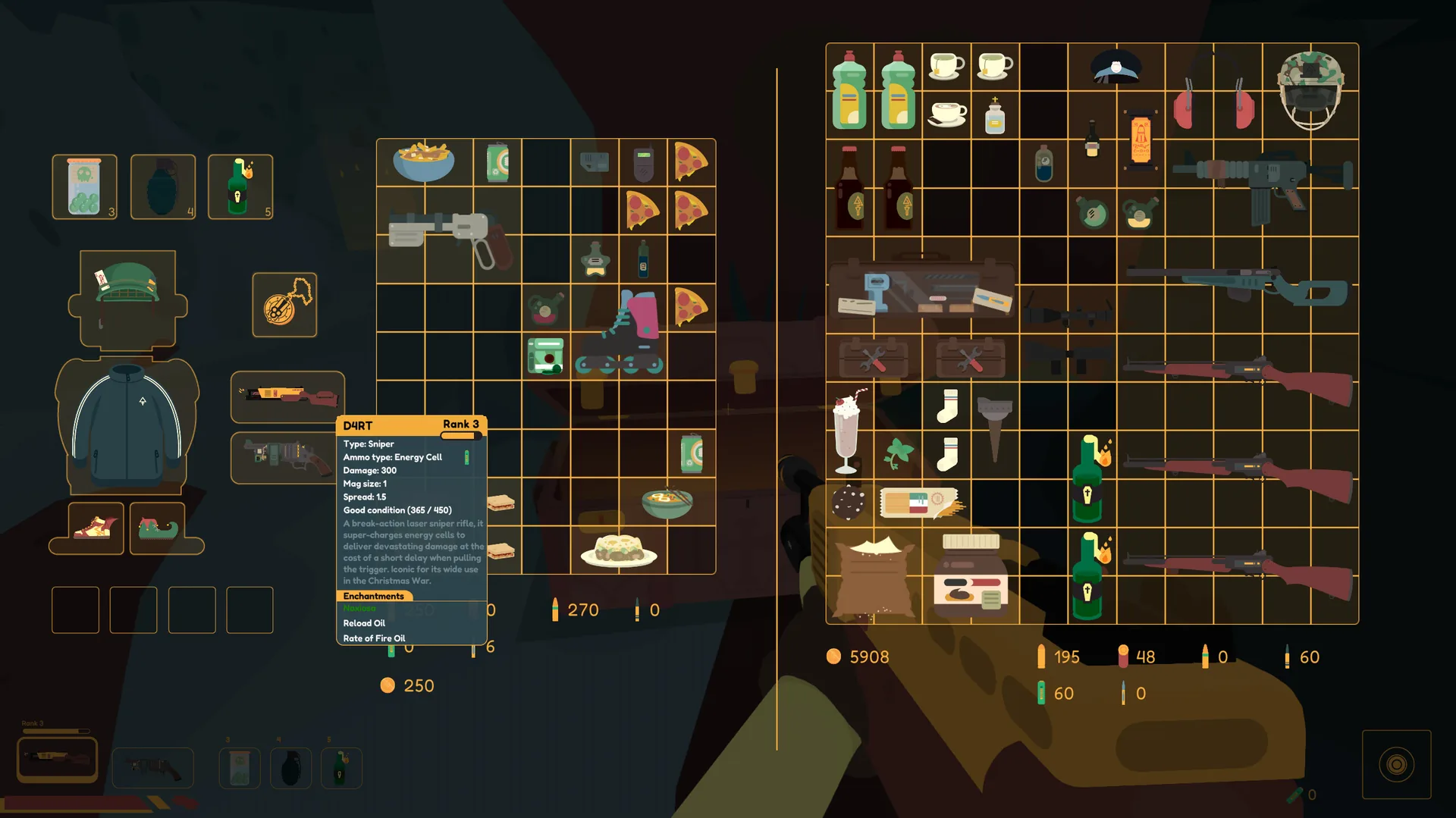
The game does not work with big slots labelled "armour" or "footwear". It goes much lower: one player made this detail famous by pointing out that you can choose your two boots separately, one on each foot.
Two consequences for you.
Do not hunt for the perfect set, hunt for pieces. You do not need to wait for a complete armour: assembling mismatched parts is not only possible, it is the normal way to play.
And pick up isolated pieces. In a game with broad slots, a single boot is junk. Here, it is half an upgrade.
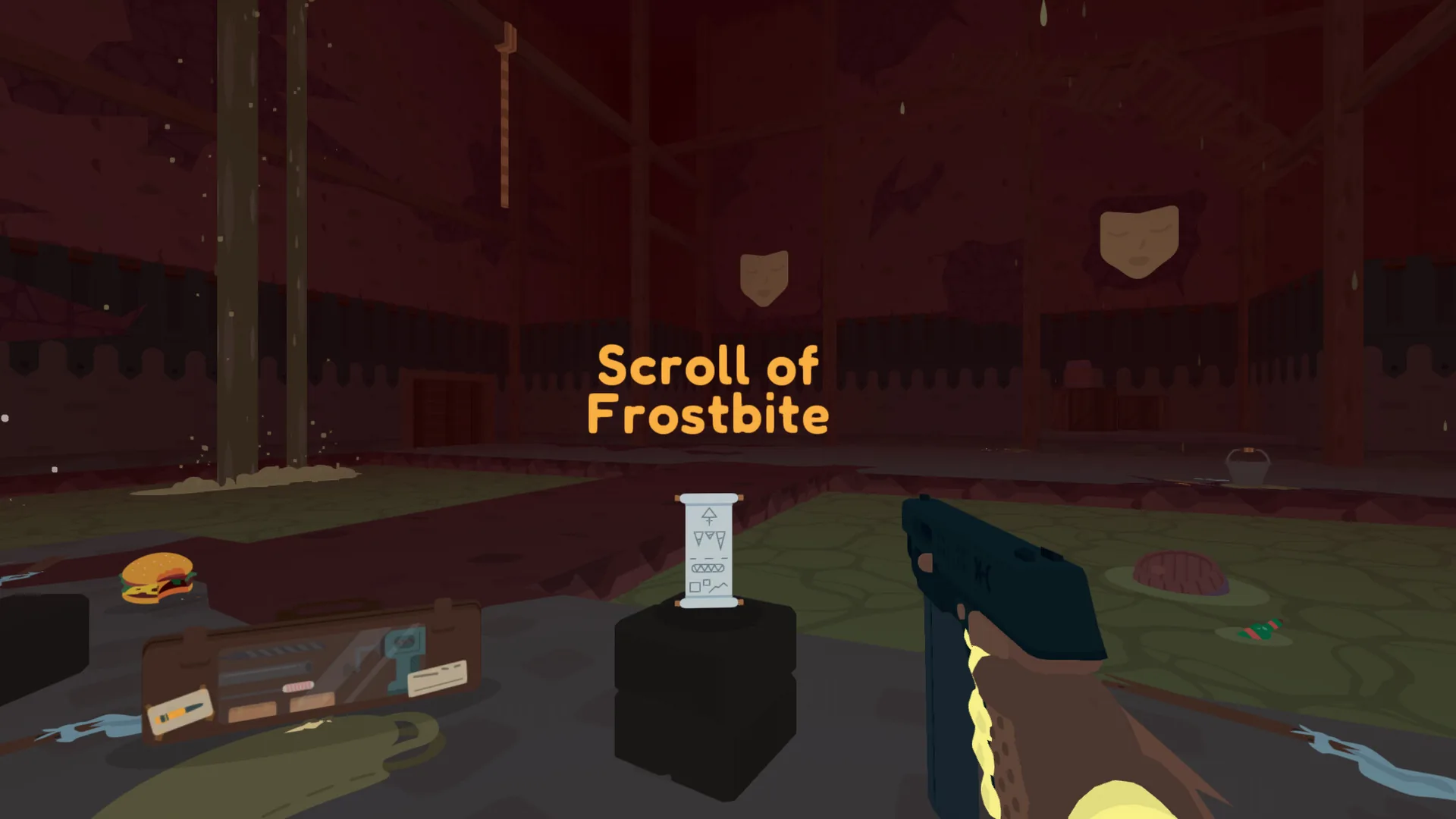
Your arsenal is modified and enchanted with a vast range of attachments and effects.
The instinct to build is the one good loot games teach: a well-modified average weapon beats a raw superior one. Before replacing your rifle because you found a better one on paper, look at what you have already bolted onto it.
And think in builds rather than pieces. The store page says it: you create unique builds by combining weapons, gear, tools and enchantments. The players who do best pick a direction and stack everything serving it, rather than taking the best item in each category.
Part of the community calls SULFUR a cooking game with guns, and it is only half ironic.
The food preparation system is developed enough to be a genuine survival lever, not a health dispenser.
The advice: cook before you leave, not during. Preparing takes time and attention, two things you do not have when thirty-seven enemies arrive. Build your stock in the quiet, carry it, and treat it like ammunition.
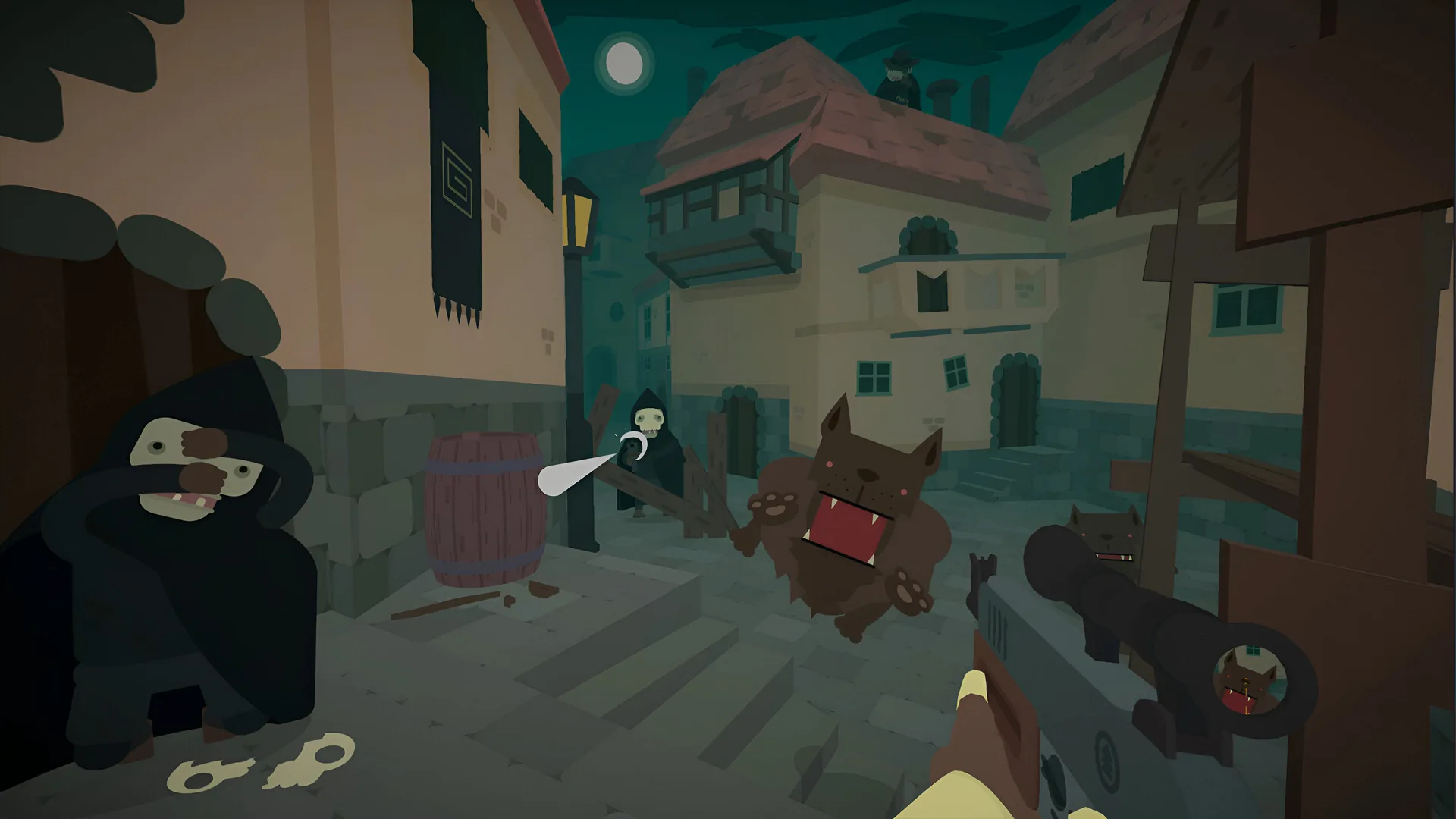
The game takes you through eerie caverns, the sordid shanties of the Black Guild, putrid sewers, then castle walls and beyond.
That is a classic, legible geographical progression: each new place announces a step up in difficulty. When the scenery changes in nature, your equipment should have changed in scale too. Arriving in a new zone with the previous one's gear is not taking a risk, it is donating your loot.
1. Setting out with your best gear. The golden rule, and the one everybody breaks.
2. Judging a room by the last one. Density is unpredictable, always play for the worst case.
3. Throwing away isolated gear pieces. The slots are granular, a single boot has value.
4. Replacing a modified weapon with a raw superior one. Count what you have bolted on before deciding.
5. Trying to take everything. This game is built on risk and reward, and the reward only counts if you get out. Deciding to leave with a half-full bag is a skill, not cowardice.
And for the rest, our review explains why six and a half thousand players think this solo extraction shooter fills a gap nobody else was occupying.
Got a run where you lost everything three metres from extraction? That is the rite of passage, tell us on the InsertCoins Discord.
Community
Your rating
Advertisement
Loading comments...
You might also like
6,550 reviews, 83 per cent positive, and a 1.0 after two years. Two different boots on your feet, and nobody stealing your loot.
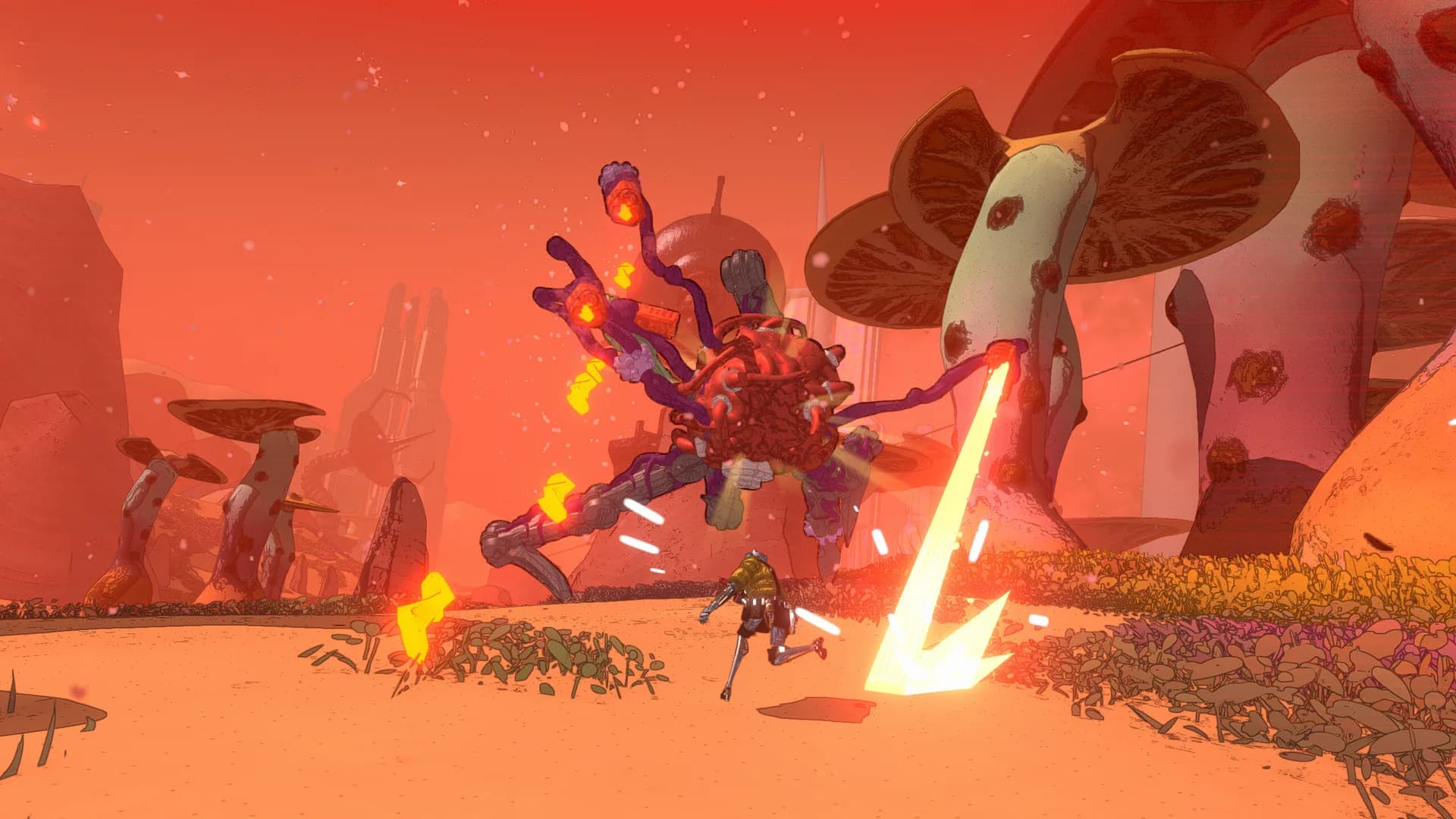
Almost everybody who quits does so before hour two. Here is what the game does not explain and you need to know.
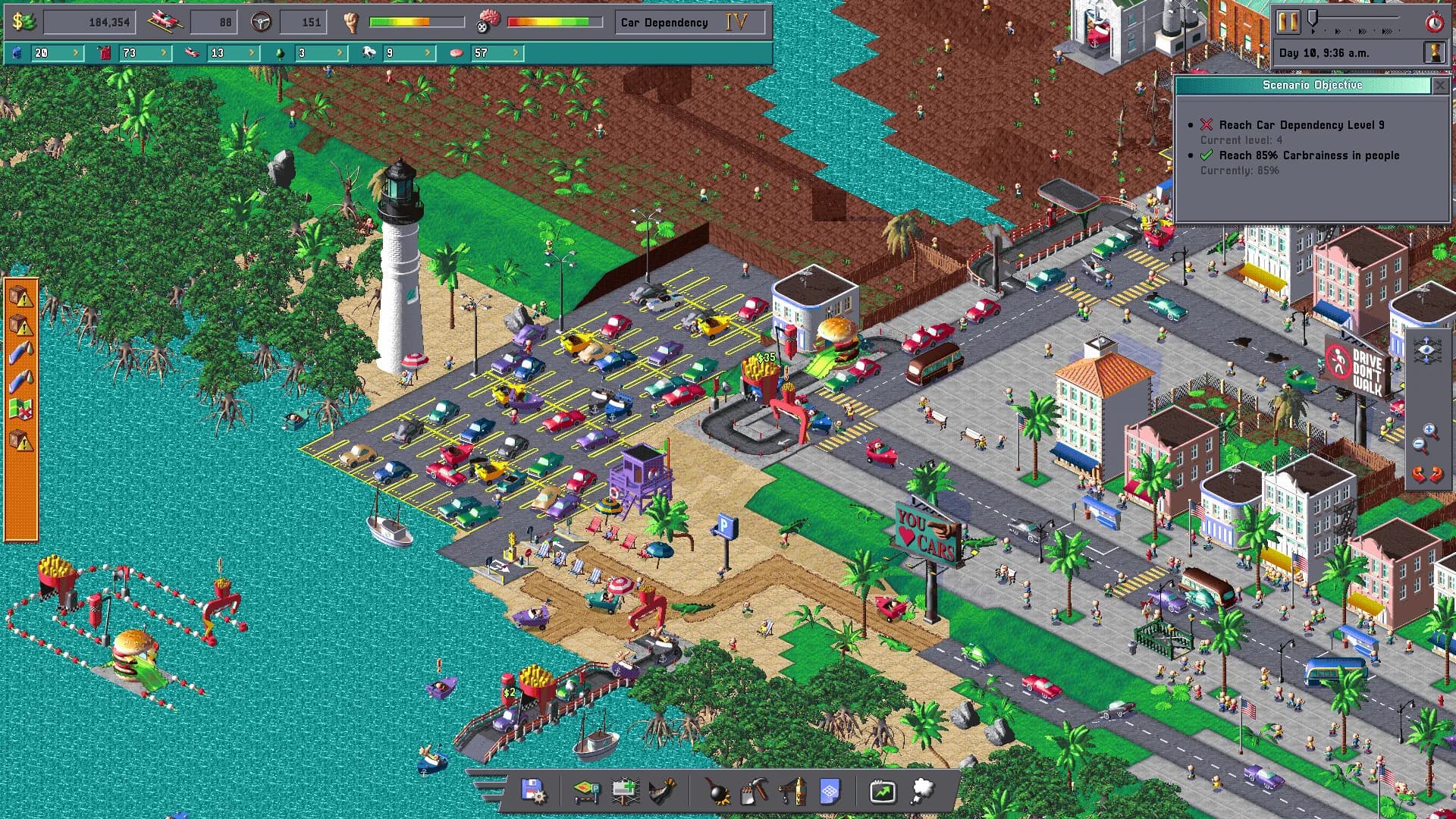
Your car park is not your income, it is your conversion tool. Until you grasp that, you stall in scenario one.
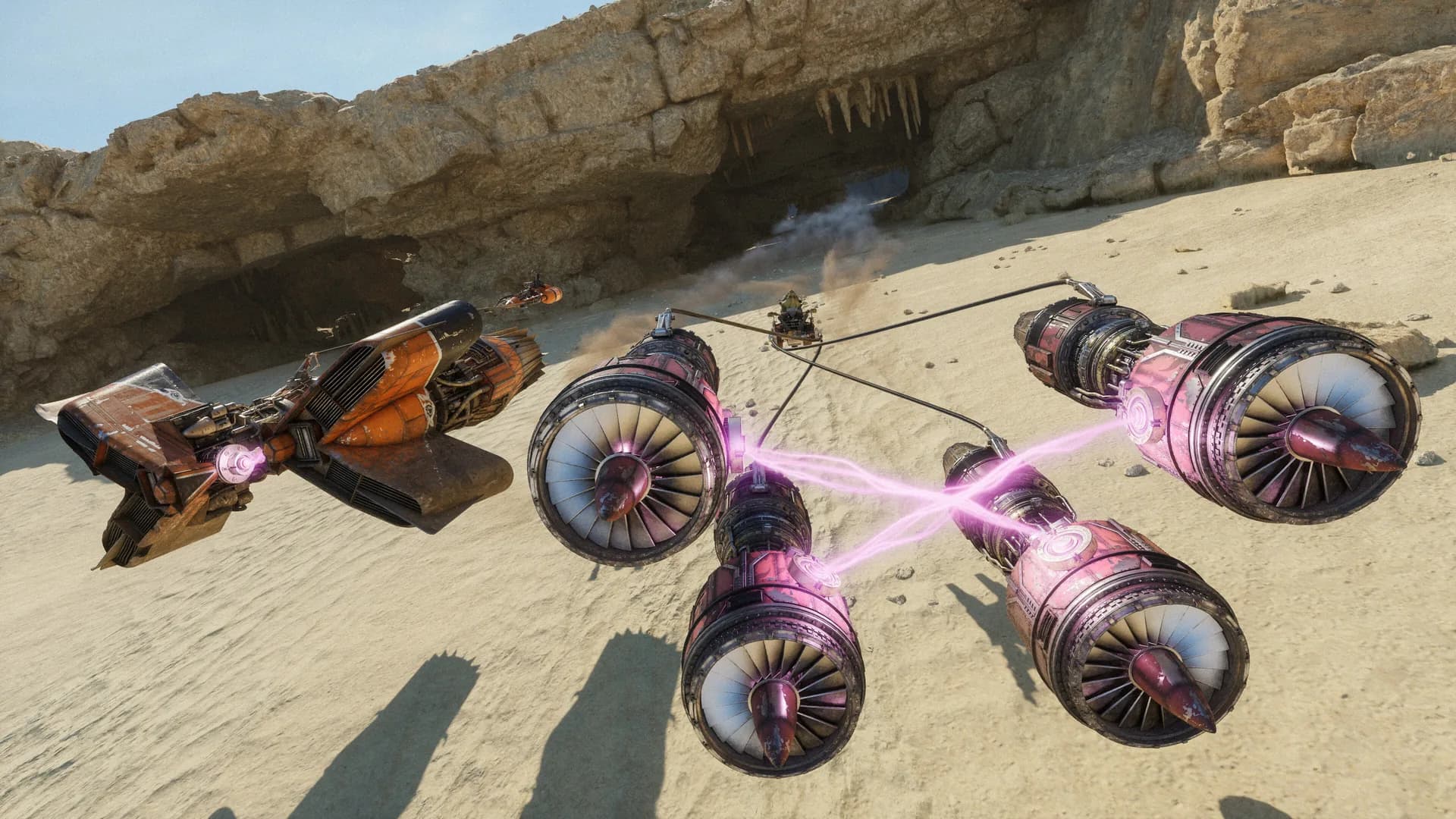
The ramjet, the heat, the planets that change your thermals, and the golden rule of parts: never build wide.