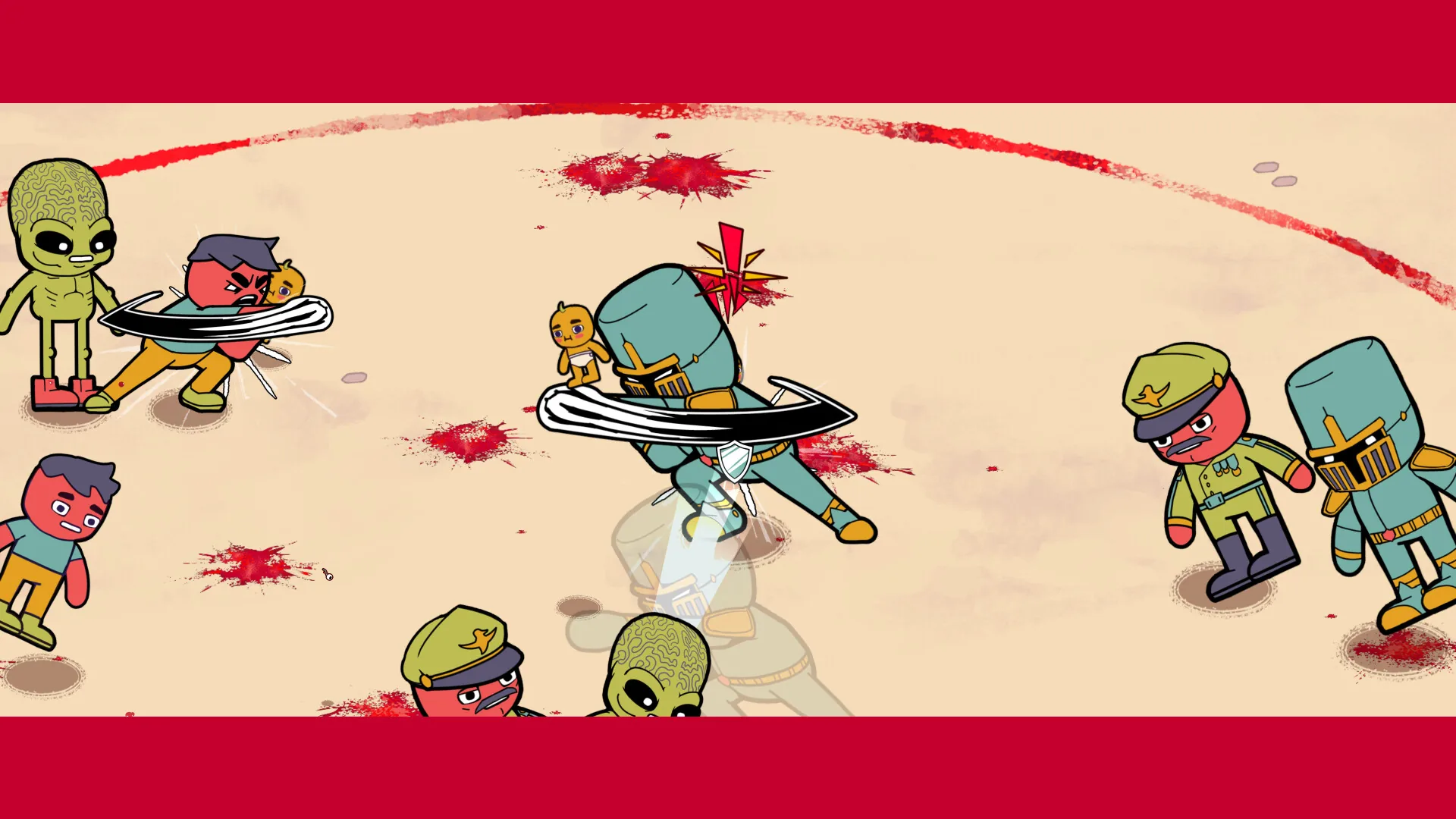
In How Many Dudes?, victory never comes from one overpowered dude, but from a stack of synergies that reinforce each other until the counters go off the rails. With forty-two dudes, six families and more than 850,000 possible compositions, it is easy to drown. This guide gives you the method to build teams that break the game instead of assembling them at random.
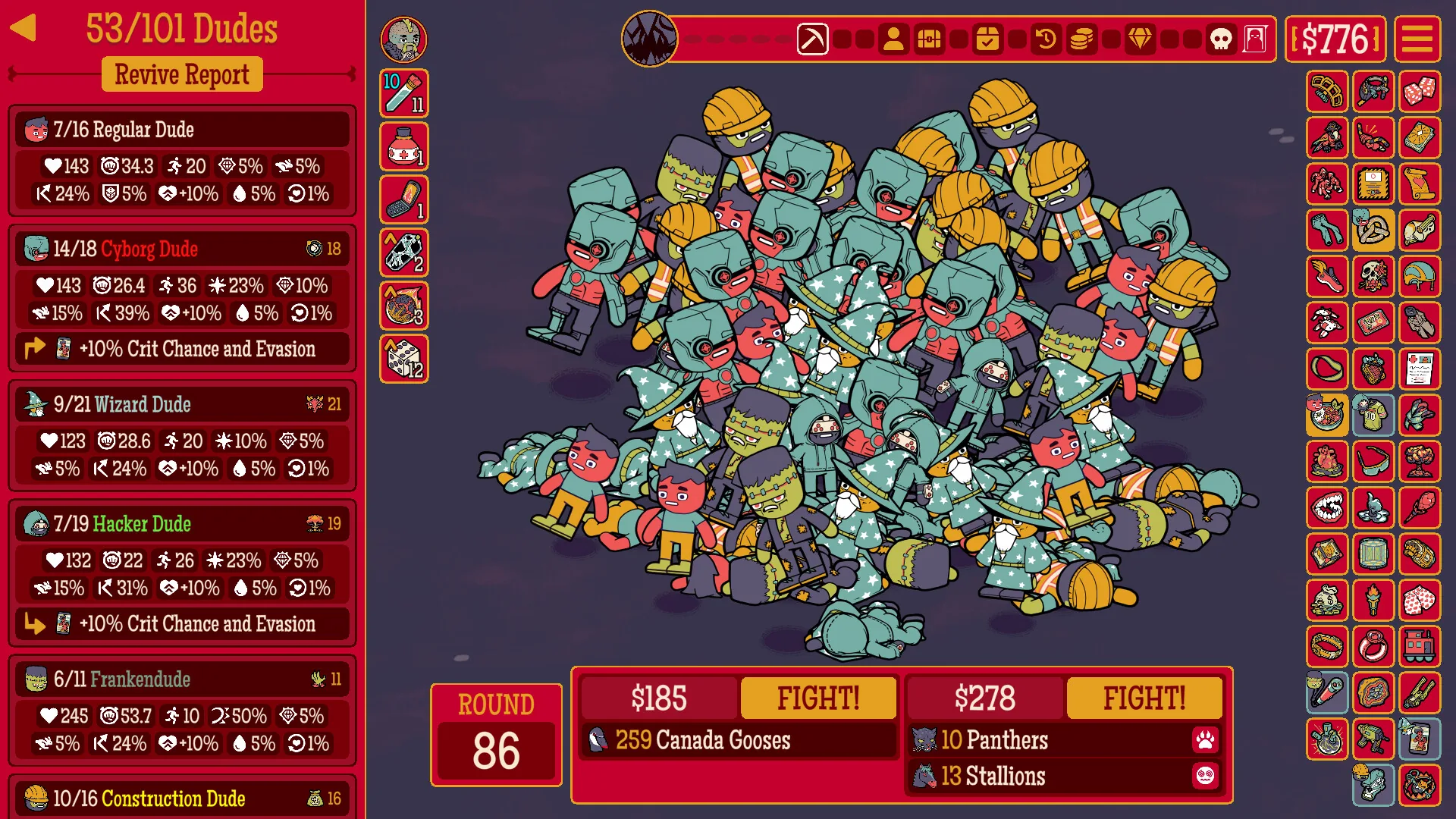
The beginner's first mistake is recruiting the dudes that seem strongest individually. That is the best way to end up with a team of stars that do not communicate. In How Many Dudes?, power does not come from the addition of forces but from their multiplication: an average dude inserted into the right synergy is worth ten times more than an isolated star.
So adopt an engine logic from the start: identify what triggers chain effects, then build everything around it. Every recruitment must answer a simple question, does this dude reinforce a synergy I already have, or open a promising new one? If the answer is no, move on, however tempting its raw profile. A coherent team will always beat a team of soloists.
How Many Dudes? sorts its dudes into six families, the Undead, the Employed, the Warriors, the Fantasy, the Sci-Fi and the Action, and each has its own identity and synergy logic. The most reliable strategy to start is to focus on a dominant family, in order to trigger the internal bonuses that reward accumulating dudes of the same type.
A mono-family composition is simple to pilot and often fearsome, because it stacks effects that naturally talk to each other. But the most explosive builds often come from a two-family marriage, where one serves as the engine and the other as the amplifier. Learn each family solo first to understand its strengths, then experiment with crossovers: it is in these marriages that the combinations which truly send the score off the rails hide. Note which families complement each other and which step on each other.
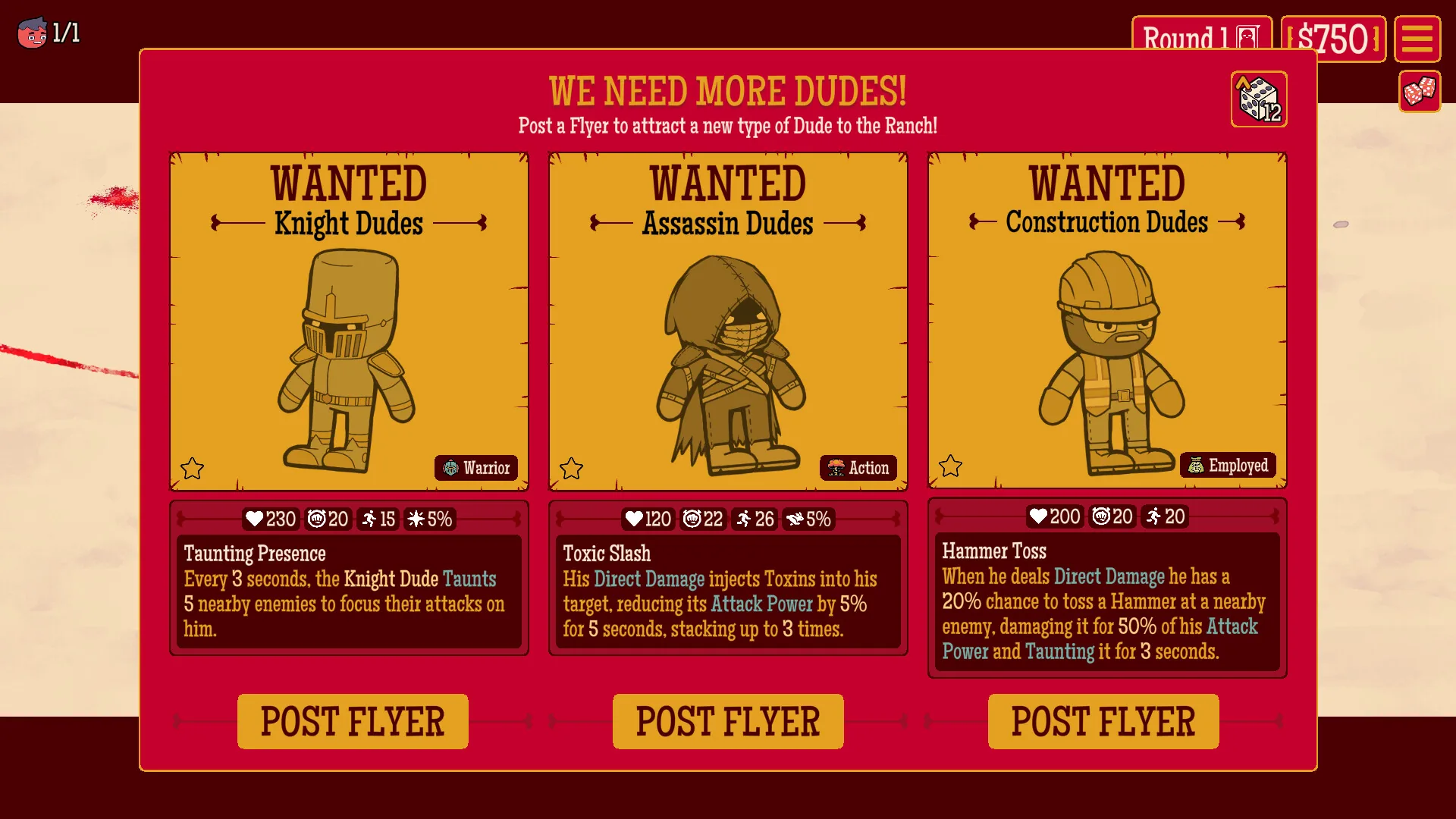
A pivot is the dude around which your whole team organises, the one that turns an addition of effects into a cascade. Spotting your pivot early in a run is the most important skill in the game. Once identified, every subsequent decision should aim to protect it, feed it and multiply what it triggers.
The combo that breaks the game always comes from a loop: an effect that triggers another, which in turn restarts the first. Look for these loops, even modest ones at the start, because they are the ones that, once amplified, send the numbers climbing to the absurd. Do not scatter your resources across several half-built strategies: better one loop pushed all the way than a patchwork of unfinished ideas. The discipline of sticking to a plan is what separates big runs from mediocre ones.
Every run is a race between your power growth and rising difficulty. Upgrading your dudes at the right moment, rather than spending as soon as you can afford it, makes a huge difference. Invest first in what reinforces your central synergy, not in what improves a peripheral dude that does not take part in your engine.
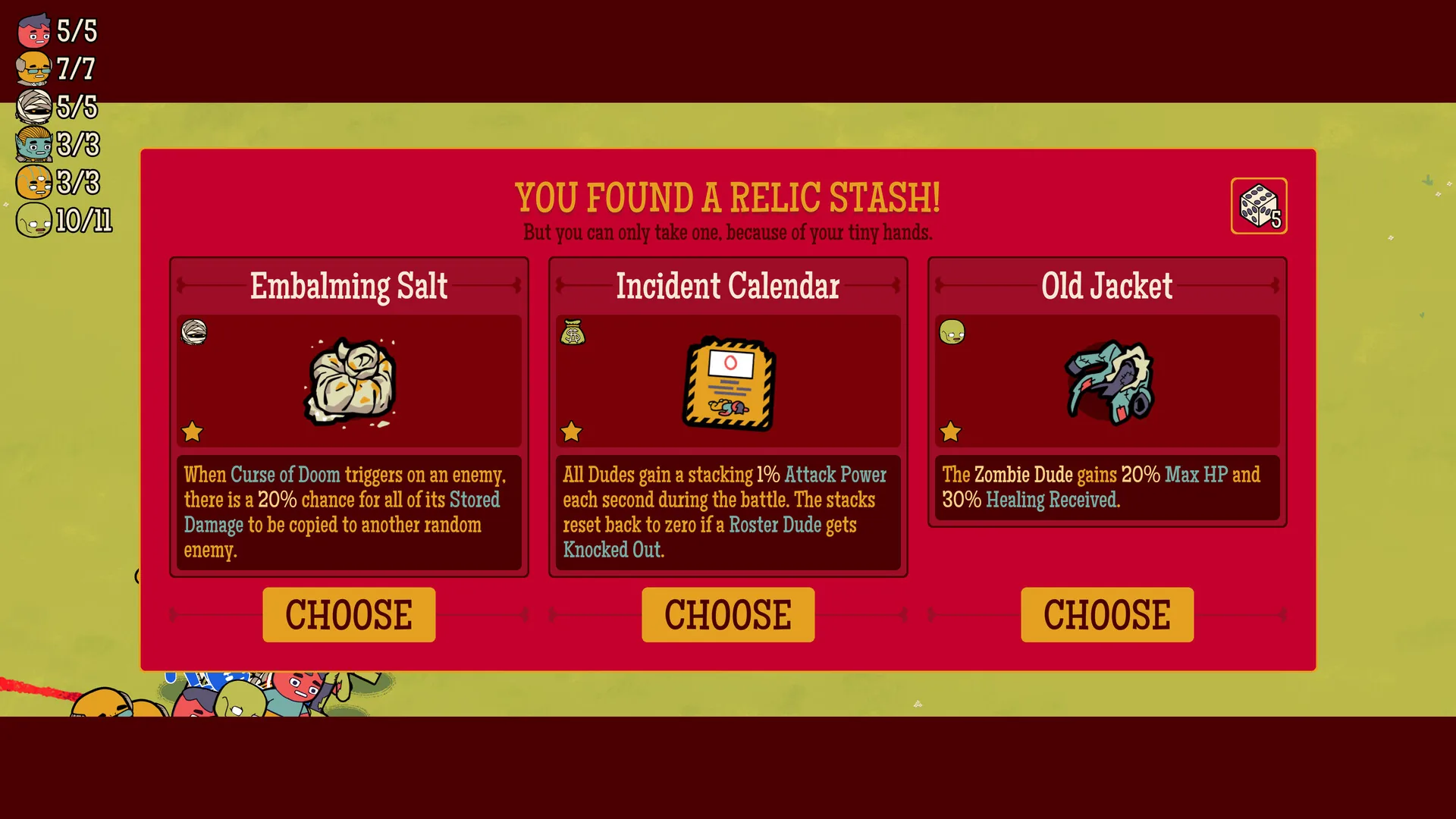
Also keep some flexibility. A run of How Many Dudes? rewards adaptation: if a better pivot or a stronger synergy appears, know how to pivot your plan rather than clinging to a build that has plateaued. Conversely, do not change course at every new temptation, at the risk of never building anything solid. The balance between commitment to a plan and adaptation to opportunities is the real nerve of mastery.
Should you recruit the strongest dudes?
No. Power comes from synergies, not individual stats. An average dude in the right synergy is worth far more than an isolated star.
Is it better to play one family or mix several?
A mono-family composition is simple and reliable to start thanks to its internal bonuses. The most explosive builds often come from a two-family marriage, one engine and one amplifier.
What is a pivot?
The dude around which the whole team organises, the one that turns an addition of effects into a cascade. Identifying it early and building around it is the game's key skill.
How do you find a combo that breaks the game?
Look for effect loops, where one effect triggers another that restarts the first. Focus all your resources on one loop pushed all the way rather than several unfinished ideas.
When should you upgrade your dudes?
Invest at the right moment and first in your central synergy, not in peripheral dudes. Keep some flexibility to pivot if a better opportunity appears.
Guide written from the PC version.
A question, a tip to share? The InsertCoins Discord is the place for it.