8
Test
I Know a Guy: the same oven for the pizzas and for the evidence
A pizza shop out front, the mafia out back, and two reputations to raise at once without the police taking an interest.
Alexandrosse
9 min
Two reputations, a police gauge, one very versatile oven. How to start without ending up in a cell in week one.
Alexandrosse
Most people who give up on I Know a Guy in the first three hours make the same mistake: they pick a side.
Either they play the pizza shop and wonder why the game is slow, or they dive into the shady jobs and get picked up. The game is built so that neither strategy works, and that is the whole point.
Here is how to start properly.
There are three things to watch constantly, and they are not displayed with equal insistence.
Your pizza shop reputation. It rises by serving well, fast and cleanly. It unlocks kitchen equipment, customers, volume.
Your shady level. It rises by completing jobs for locals and for the mafia. It unlocks tools, hidden workstations, and access to missions the game does not even show you until you have the level.
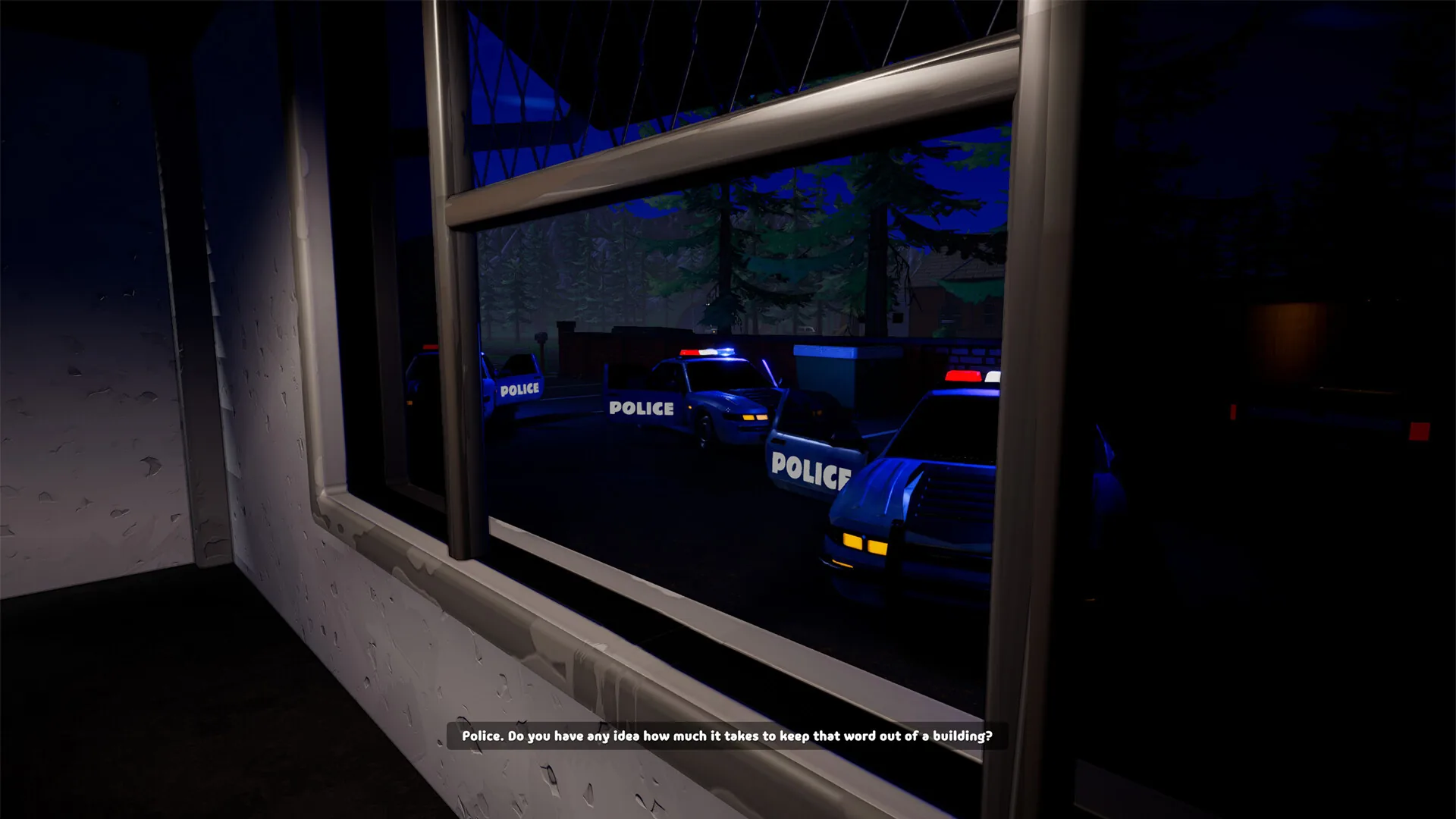
Police attention. It rises with every job. It is the only one of the three that costs you something, and it is the one people forget.
The rule I wish somebody had given me at the start: these three gauges are linked by payout. The more a job pays, the riskier it is, the more attention it draws. There is no such thing as a lucrative, quiet job. When you are deciding whether to accept, do not ask what it pays, ask what you will have to do afterwards to bring the heat back down.
Run the pizza shop normally. Genuinely. Take orders, make deliveries, learn where the machines are. You are not wasting time, you are building the cover everything else depends on.
Finish the tutorial before touching your machines. A studio fix during early access notes that it used to be possible to lock yourself out by selling your machines during the tutorial. That is no longer possible, but the instinct remains sound: dismantle nothing until you understand the loop. Moving equipment, on the other hand, is risk-free.
Take your first shady job once the shop runs without you. Not before. Cleaning bloody clothes is the natural entry point: low payout, low attention, and it teaches you the rhythm.
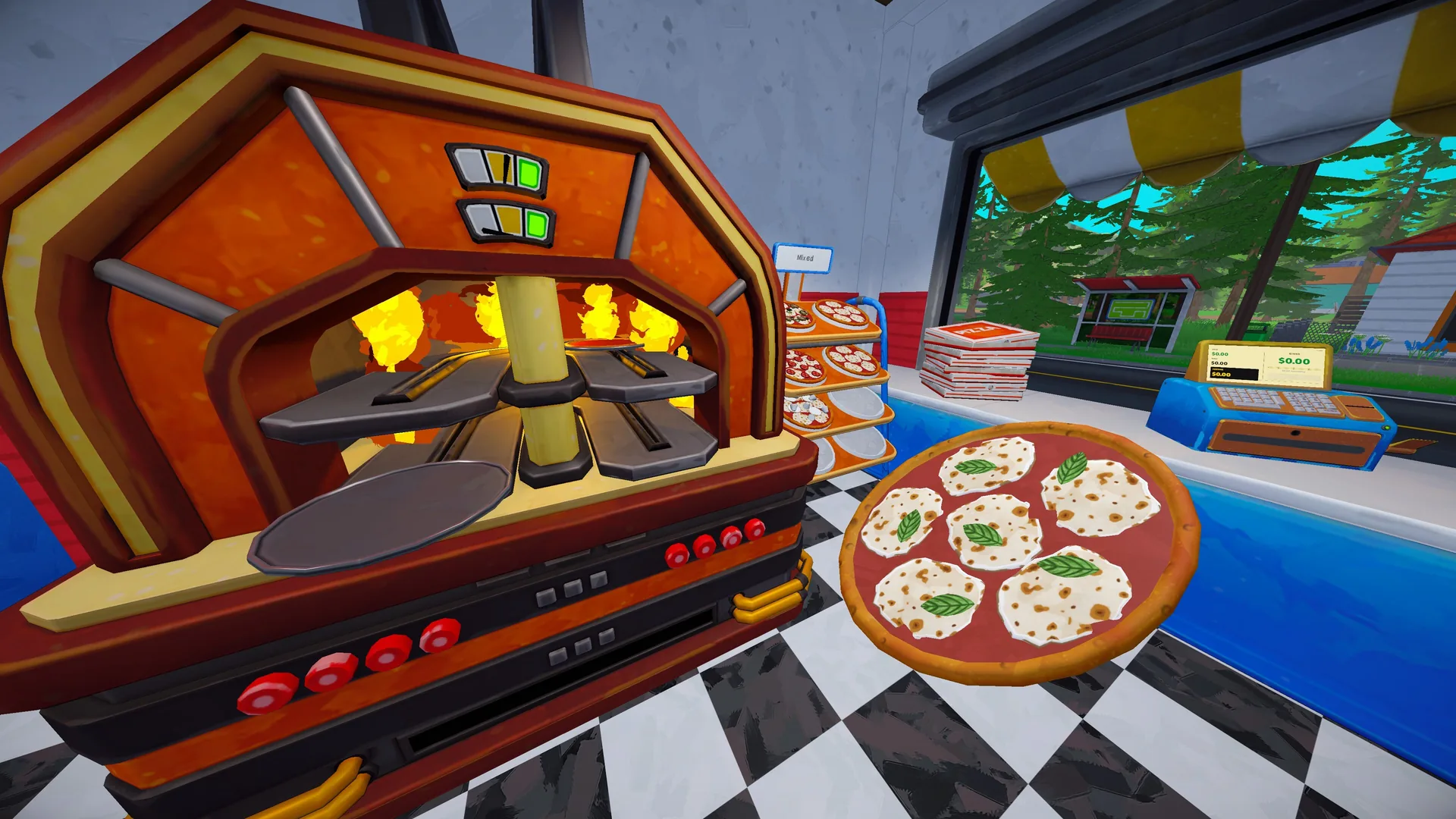
Look at what you already own. The game reuses your legal kit for the illegal work. You do not need a second oven.
Advertisement
This is the game's central principle and it completely changes how you buy.
Every kitchen upgrade serves both trades. A faster oven means more pizzas an hour and faster processing of everything else. Bigger storage means more stock and more room for things you would rather not leave lying about.
Practical consequence: always invest in shared equipment before specialised equipment. A dedicated shady workstation is tempting because it unlocks new jobs, but it only does one thing. A better oven does two.
The exception is the Forgery Station, rebuilt for 1.0, which opens an entire job category and earns its price the moment you can reach it.

Here is the part beginners handle badly.
Attention does not clear in one go. It falls when you behave like a shopkeeper. So the best way to bring it down is to do what you were going to do anyway: serve pizzas.
That gives a very clear rhythm, and it is the one I recommend for the whole first half of the game:
One big job, then a service session. One big job, then a service session.
Never do two high-risk jobs back to back. The game will not stop you, and that is precisely the trap.
This is where you order restricted items that unlock or ease jobs. Two pieces of advice.
Order in advance. Delivery is not instant. The worst moment to discover you are missing an item is while a client waits.
MinerHub is a passive income source, with expand buttons that stay greyed out until you meet the level requirement. That is not a bug, it is a closed door. Note the level and come back.
And one useful ergonomic note: pressing Escape on the dark web computer while a tutorial popup was open used to lock your controls permanently. It is fixed, but if you are on an old build, avoid it.
This is your source of side orders, and it has two properties worth knowing.
It does not care whether your shop is closed: its orders survive closing time. And it rings between 10:00 and 02:00.
In other words, your nights are exploitable. If you need money quickly and your police attention is low, the night window is your best opportunity: little service to run, orders arriving anyway.
1.0 adds five quest givers around town, and their missions unlock between shady levels 8 and 12. They include smuggling runs, a photo to take inside a prison, a lost evidence bag and a very large pizza delivery.
Two things to remember.
Locked quests stay invisible until you reach the level. If the town feels empty, it is not, you are too low.
Quest names and starting hints appear on the map via the TAB key. Use it, it is the only place the game clearly tells you where to begin.
And be careful with quest photos: for a long time they disappeared on save, making the mission undeliverable. That is fixed, but the habit of delivering a photo in the same session remains a healthy one.
Two points of economy the game explains poorly.
Restocking vending machines now costs only what is actually missing. Topping up a nearly full machine no longer costs the same as filling an empty one. So you can restock often and in small increments, which smooths your cash flow.
Place your ovens and shelves flush. Pizza racks, shelves and big ovens can be set right against cabinets and other machines. A compact work surface saves a great deal of time in service, and service time is what brings your attention back down.
The game is played solo or online with up to four. Three tips earned through pain.
Assign the posts. One on the counter, one on the ovens, one on deliveries, one out back. The moment two people touch the same thing you lose time, and historically the game very much disliked two players grabbing the same pizza at once.
One person owns the attention gauge. Somebody has to have the right to say no to a job. Without that, four enthusiastic players accept four risky missions in ten minutes.
Never leave anyone alone with the oven. That is all I will say.
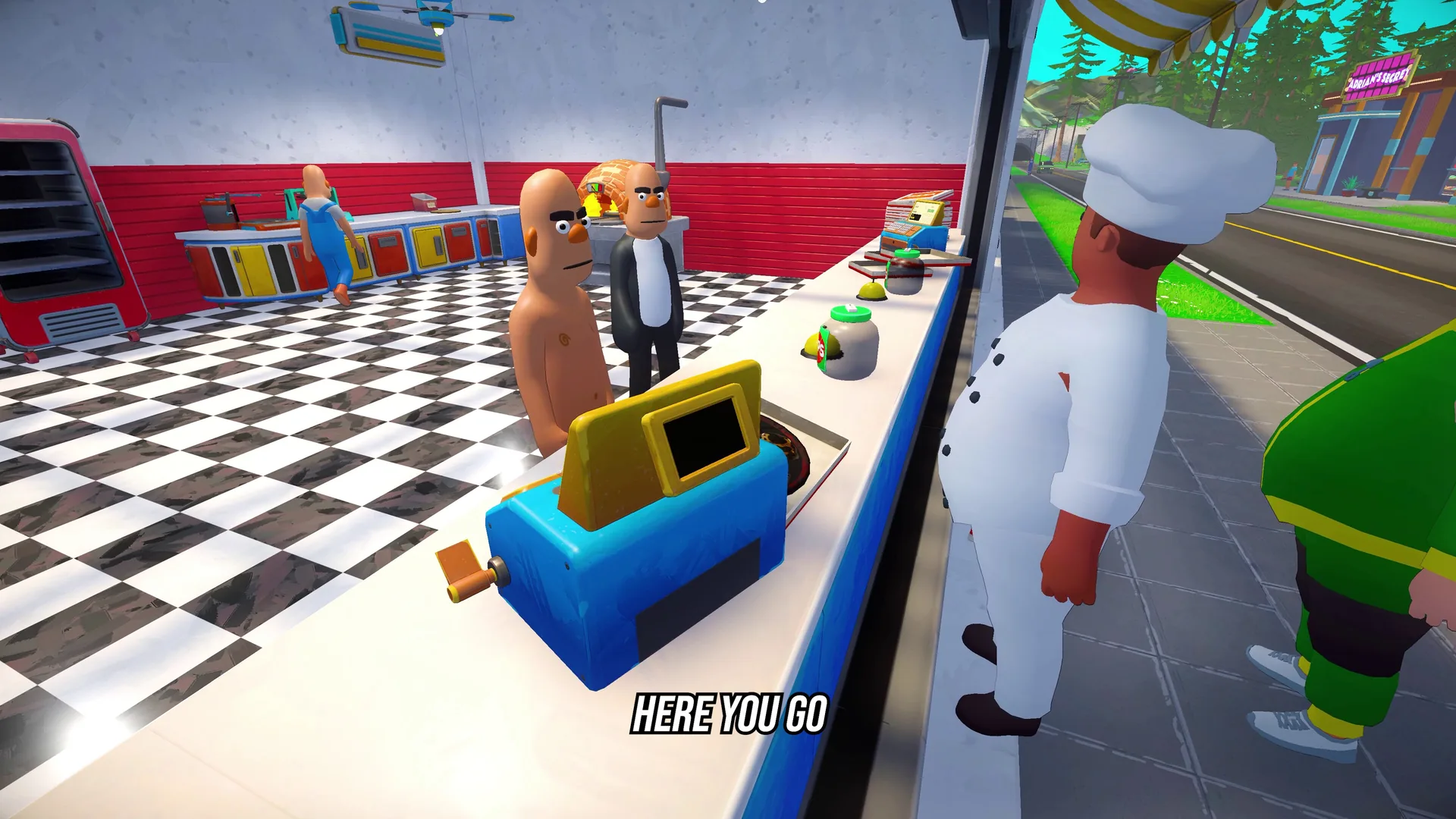
And a final one, which is not a gameplay error: pet the dog. The studio took the trouble to mention it in the release announcement, it would be rude to ignore that.
Found a combination that raises your shady level without blowing up your attention? Come and share it on the InsertCoins Discord, we are still hunting for the perfect balance.
More on I Know a Guy: Shady Life Simulator
All about I Know a Guy: Shady Life SimulatorCommunity
Your rating
Advertisement
Loading comments...
You might also like
A pizza shop out front, the mafia out back, and two reputations to raise at once without the police taking an interest.

Montclair, Zeiza, Parkside: who hosts what, how Archetypes and Amps work, and where to spend your time.
Two heroes instead of one changes everything. Here is how to pair them, where to place your first towers and when to spend your spells.
Graveyard before town, zombies before machines, and the rule that stops you losing three hours to a useless production chain.