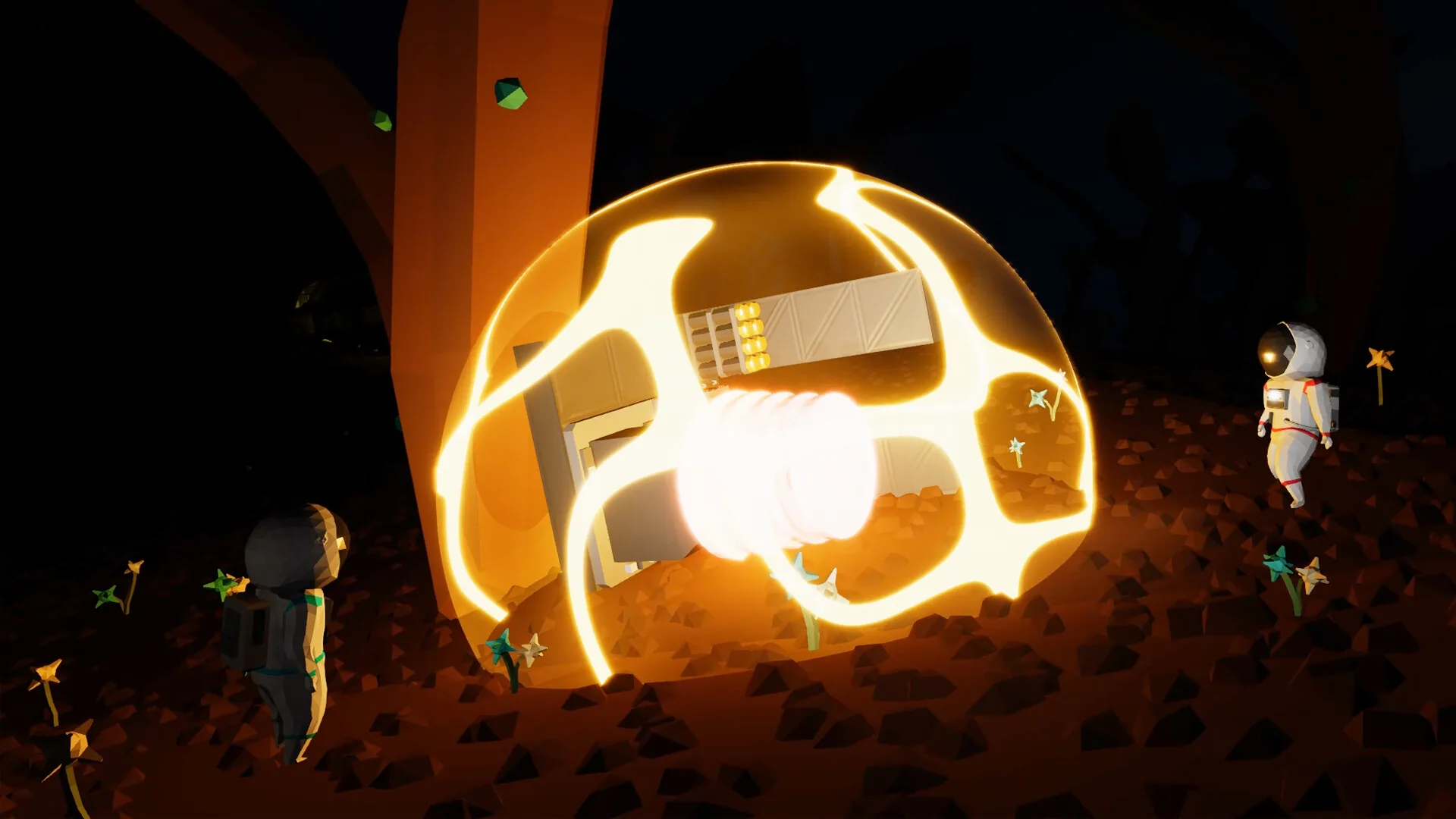
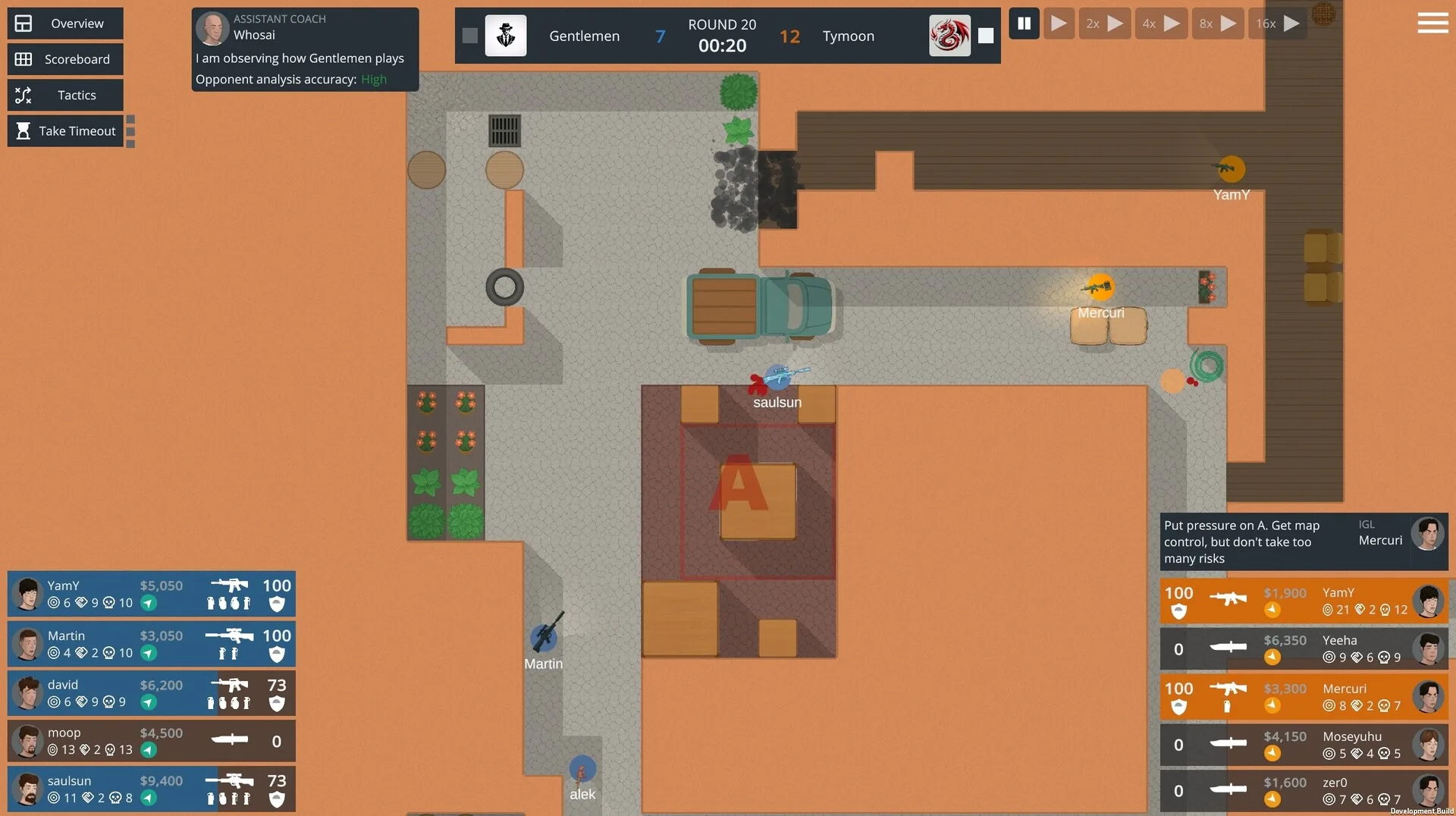
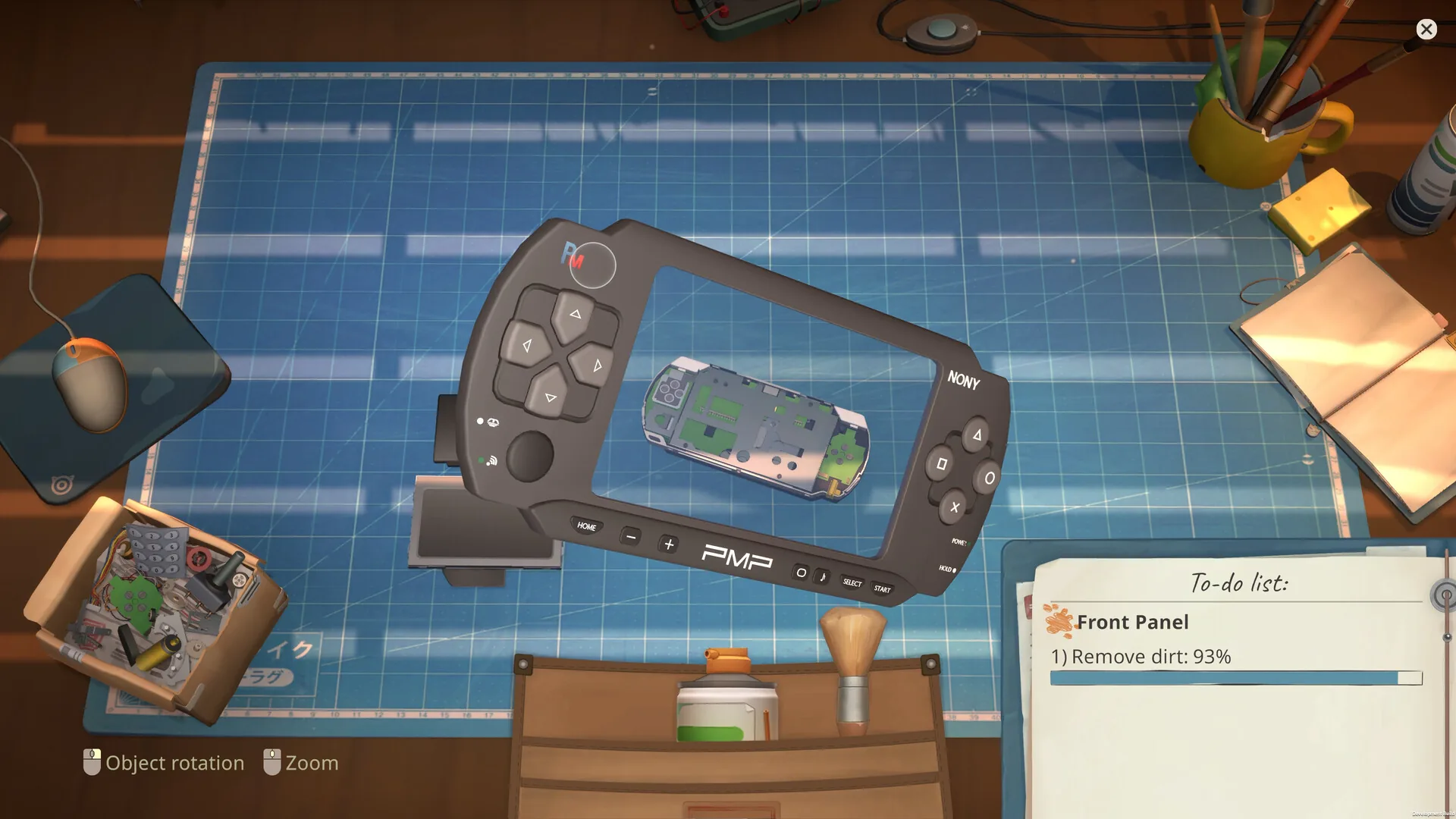
First reaction to the IRON NEST banner: this smells like Iron Harvest. The same imagination of oversized war machines, the same interwar Europe run on diesel, the same silhouette of a colossus crushing a stretch of countryside. KING Art's RTS, drawn from Jakub Rozalski's 1920+ paintings, was a game we liked a lot, and clearly we are not the only ones who still remember it.
Except IRON NEST is not playing in that category at all, and that is where it gets interesting. In Iron Harvest you commanded armies from above, in strategic view, with a general's comfort. Here you are one man, shut inside a turret, and you will never see the battlefield in any way other than through numbers and aerial photographs. The point of view has flipped a hundred and eighty degrees: you are no longer the one deciding the war, you are the one who pulls.
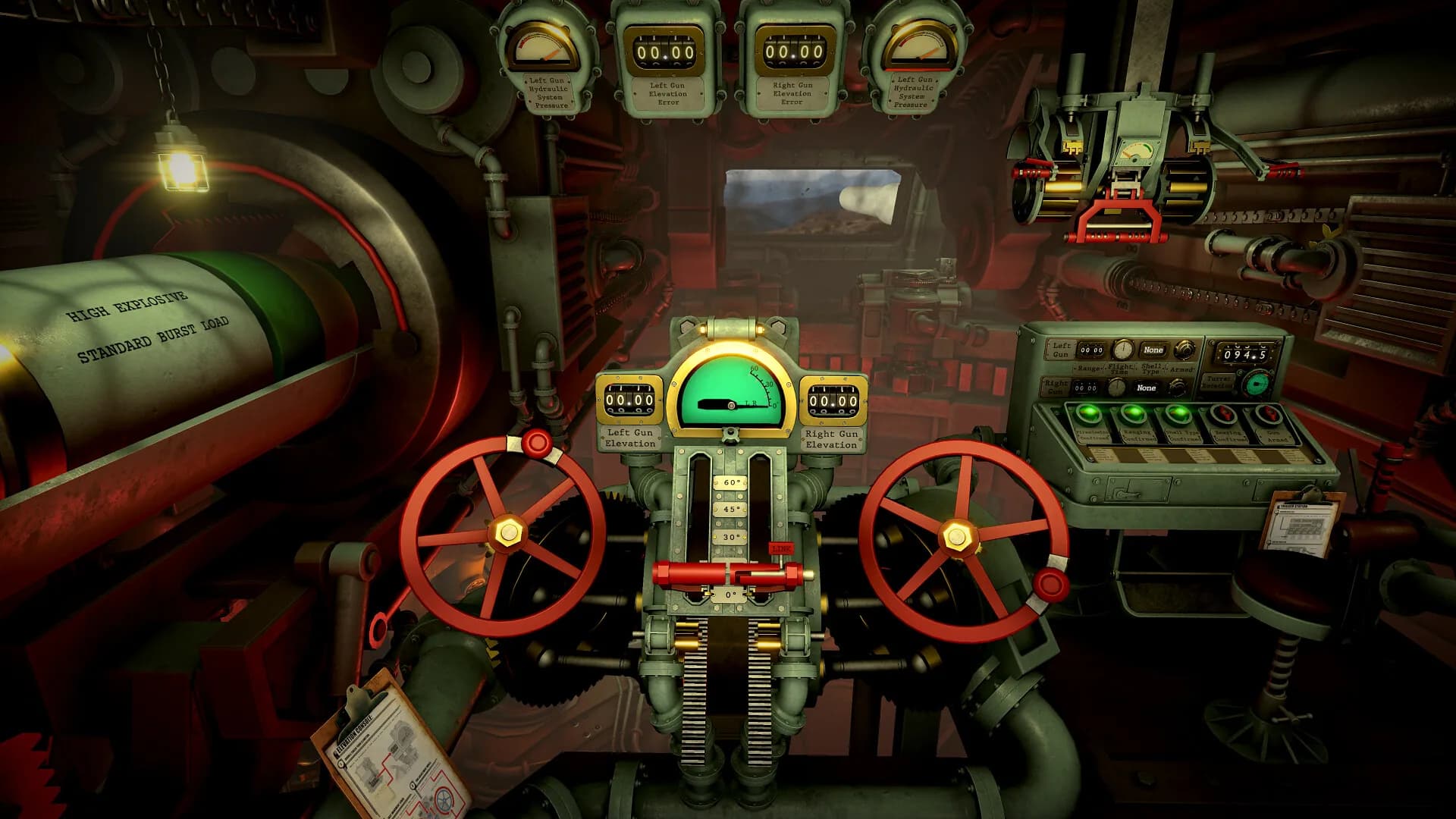
The game is by Nick Nieuwoudt and Dominik Latos, which is to say exactly two people, self-publishing on Steam and GOG. A passion project fed on an obsession with artillery and interwar machinery, and one that made far more noise than its size suggested: the demo pushed IRON NEST to the top of wishlist additions during the June Steam Next Fest. For a first-person turret simulator, let us admit that was not a foregone conclusion.
The operator's job comes down to a loop that looks simple on paper and is not. Two teleprinters chatter continuously: one relays top-priority directives from High Command, the other direct calls from the front line. It is on you to turn that stream of contradictory information into a firing plan.
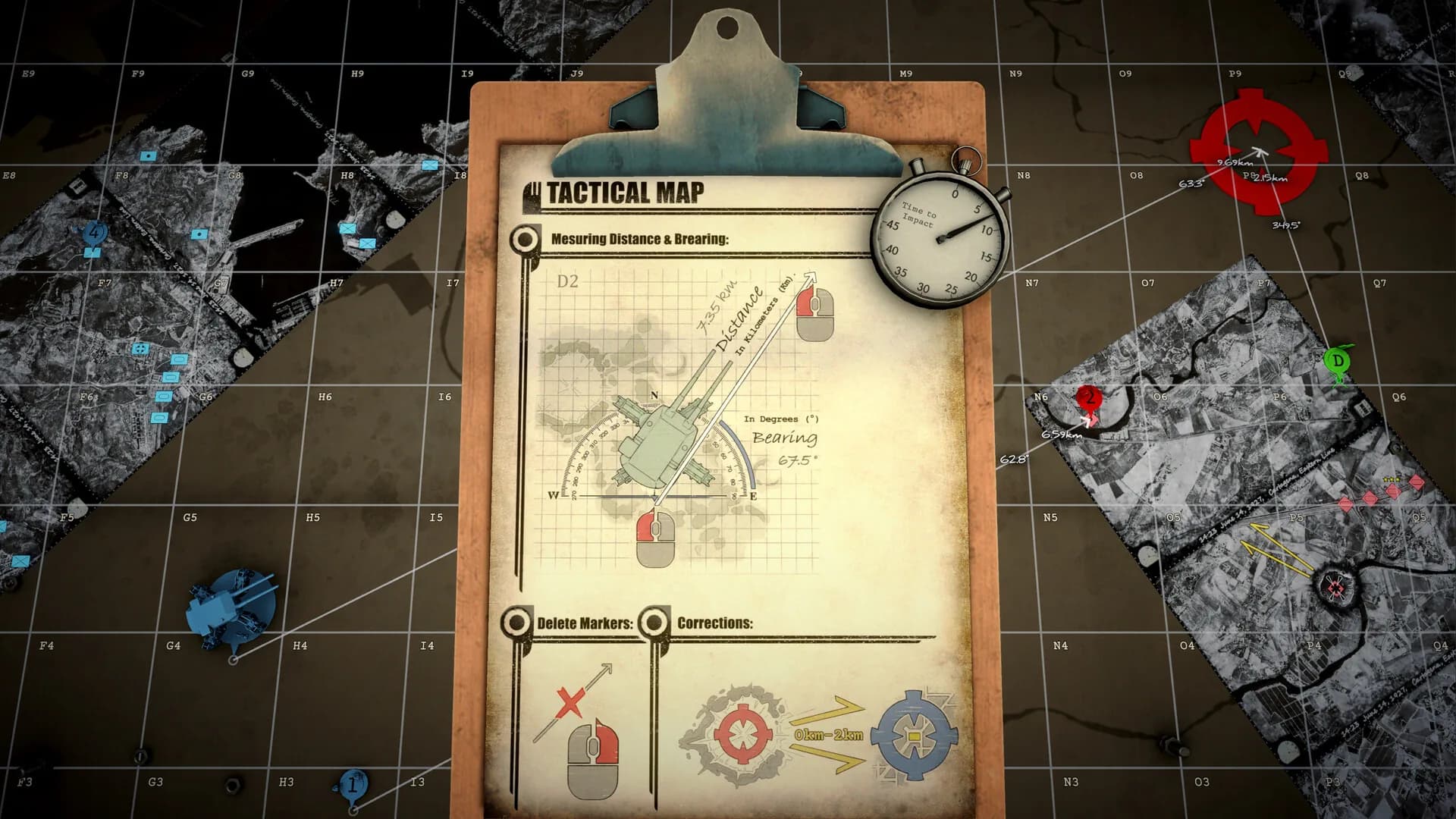
After that, everything runs through your hands. You take measurements on the map from the coordinates you received, grind the numbers through the ballistic calculator until a firing solution appears, choose the propellant charge (heavier to throw the shell to the horizon, lighter to arc it down into an enemy emplacement), crank the elevation wheel, lay the gun, fire. Then you wait for the aerial reconnaissance photos to find out what you actually hit.
The choice of shell is not cosmetic either: armour-piercing to open a bunker, smoke to screen a friendly withdrawal. And other options, let us say, less presentable. The game also warns that the machine may fail. You may not.
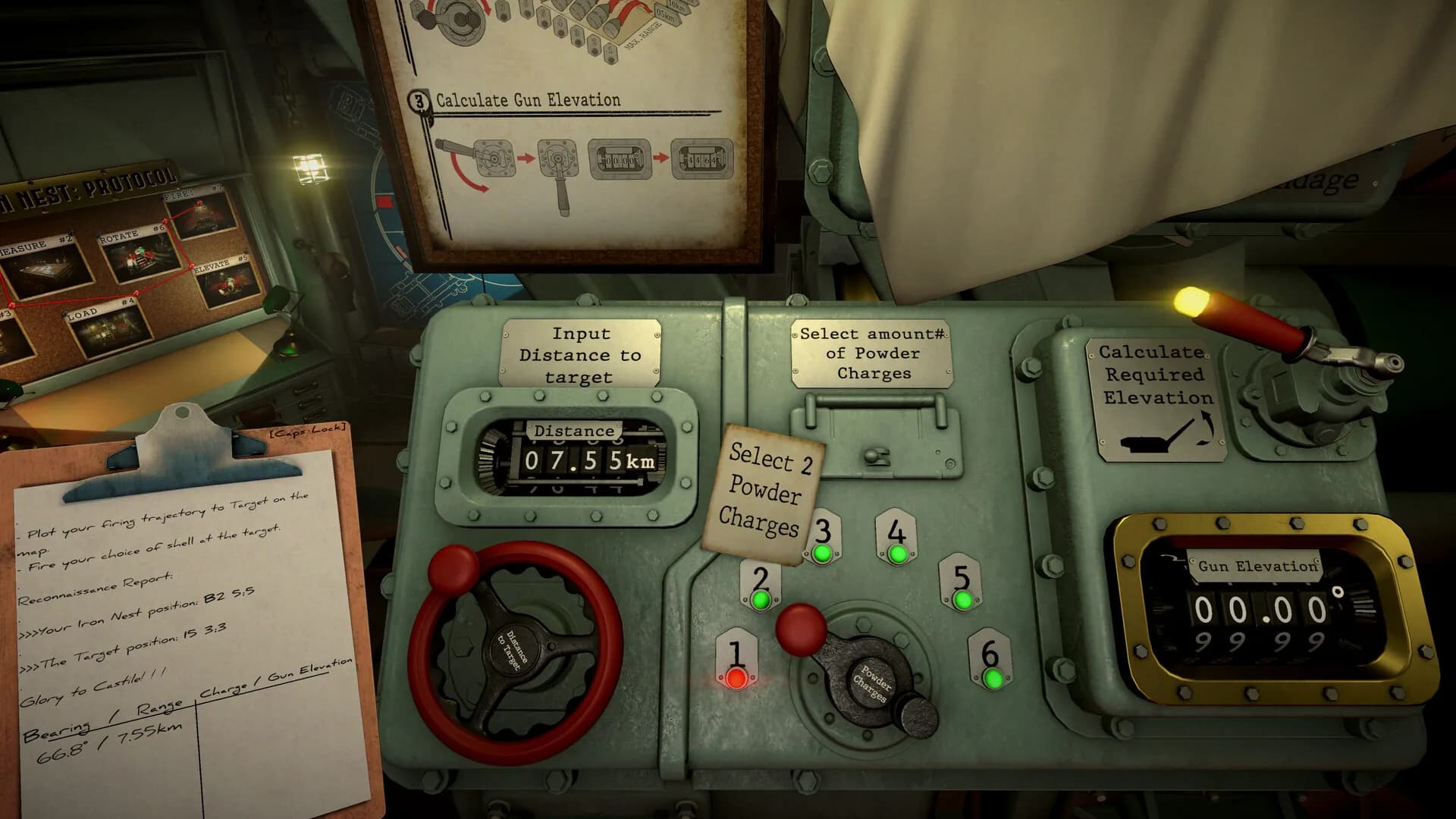
This is where the Iron Harvest comparison stops dead. The 2020 RTS was a handsome war of miniatures, spectacular and legible. IRON NEST puts guilt at the centre and refuses to dilute it. The store page goes as far as redacting its own sentences when it touches on gas, and states flatly that neither spotless paperwork nor the finest propaganda will erase your fault. The line that best sums up the mood: it never happened if there are no witnesses.
You can move the markers on the map, but the scars remain. Translation: a game where you never see your victims, and where it is precisely the absence of an image that creates the unease. High Command issues the orders, but it does not carry the consequences. That is your finger on the lever.
The risk is obvious and it comes from the genre itself. A first-person artillery simulator is a narrow proposition, made of measurements, calculations and waiting. If the measure-calculate-load-fire loop never finds its rhythm, or if the scenarios repeat too quickly, the exercise can turn into a spreadsheet with a view of the countryside. The demo, for its part, reassured a lot of people on that point.
The other unknown is whether the game holds its own argument. A game that makes guilt its subject has to carry it to the end, without turning it into a pose or into cheap thrills. The line is thin, and two people chose to walk it.
Still, the promise is genuinely singular, and it fills a blind spot. We wanted more dieselpunk after Iron Harvest; we did not expect it to come back through the sighting hole, with dirty hands. Out today on PC, with a demo still available if you want an idea before committing.