As a kid, it was the guy who babysat me who first put an RTS in my hands. He played Warcraft, the very first one, and I watched, fascinated, as those little figures obeyed his every command. In primary school, the computer room ran on Warcraft 2, and we organised network games between kids, betraying each other and screaming between classes. I left primary school in 2002, right as Warcraft 3 was landing. Suffice to say my whole childhood was set to the rhythm of the RTS, and to one name in particular: Warcraft.
So when I saw that Liquidation openly claimed the heritage of Warcraft III (and Dawn of War), I did not think of StarCraft for a second. I thought of my childhood. And I booted up the game with the demands of a prodigal son: show me you are worthy of the grandfather.
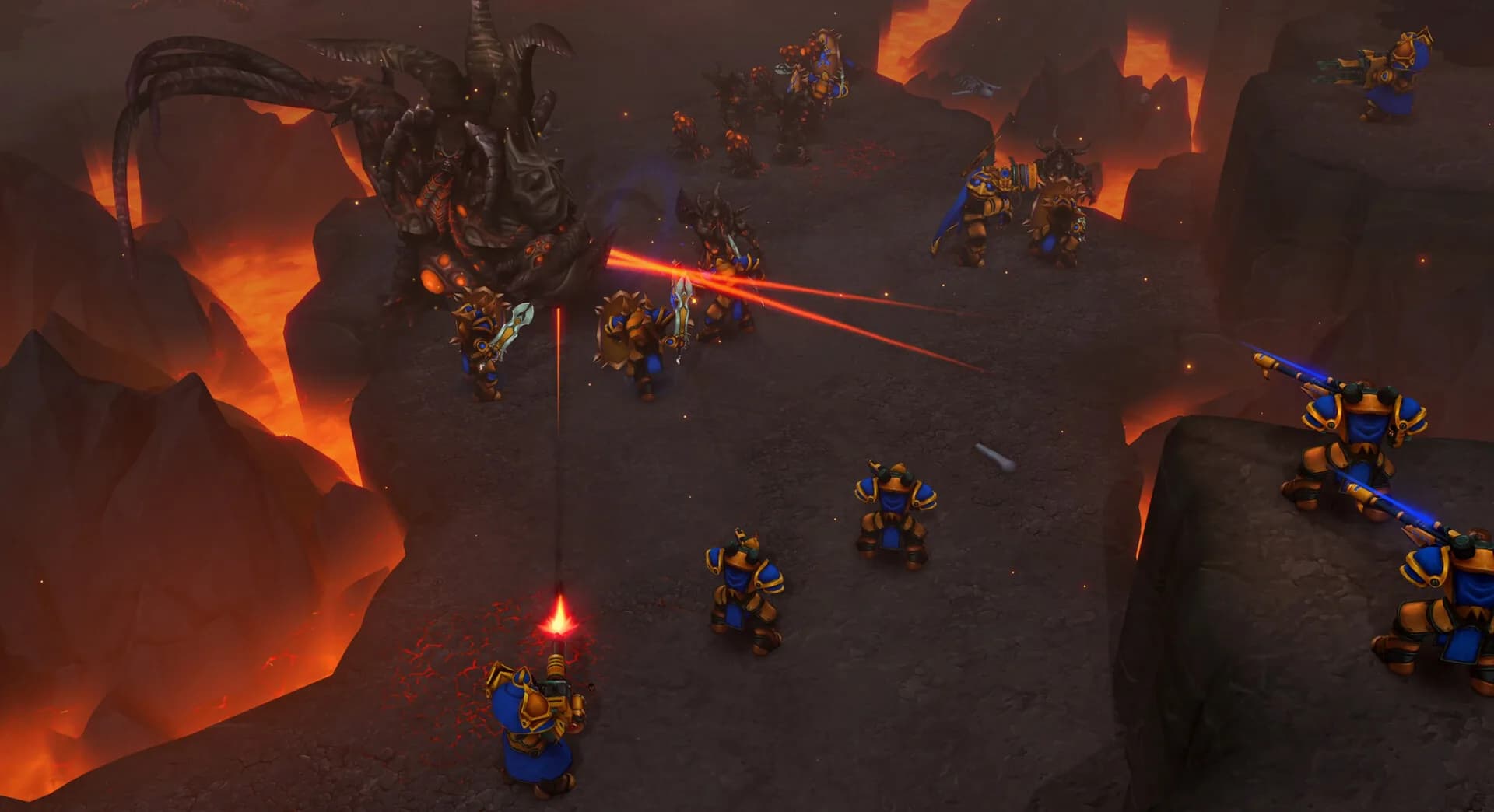
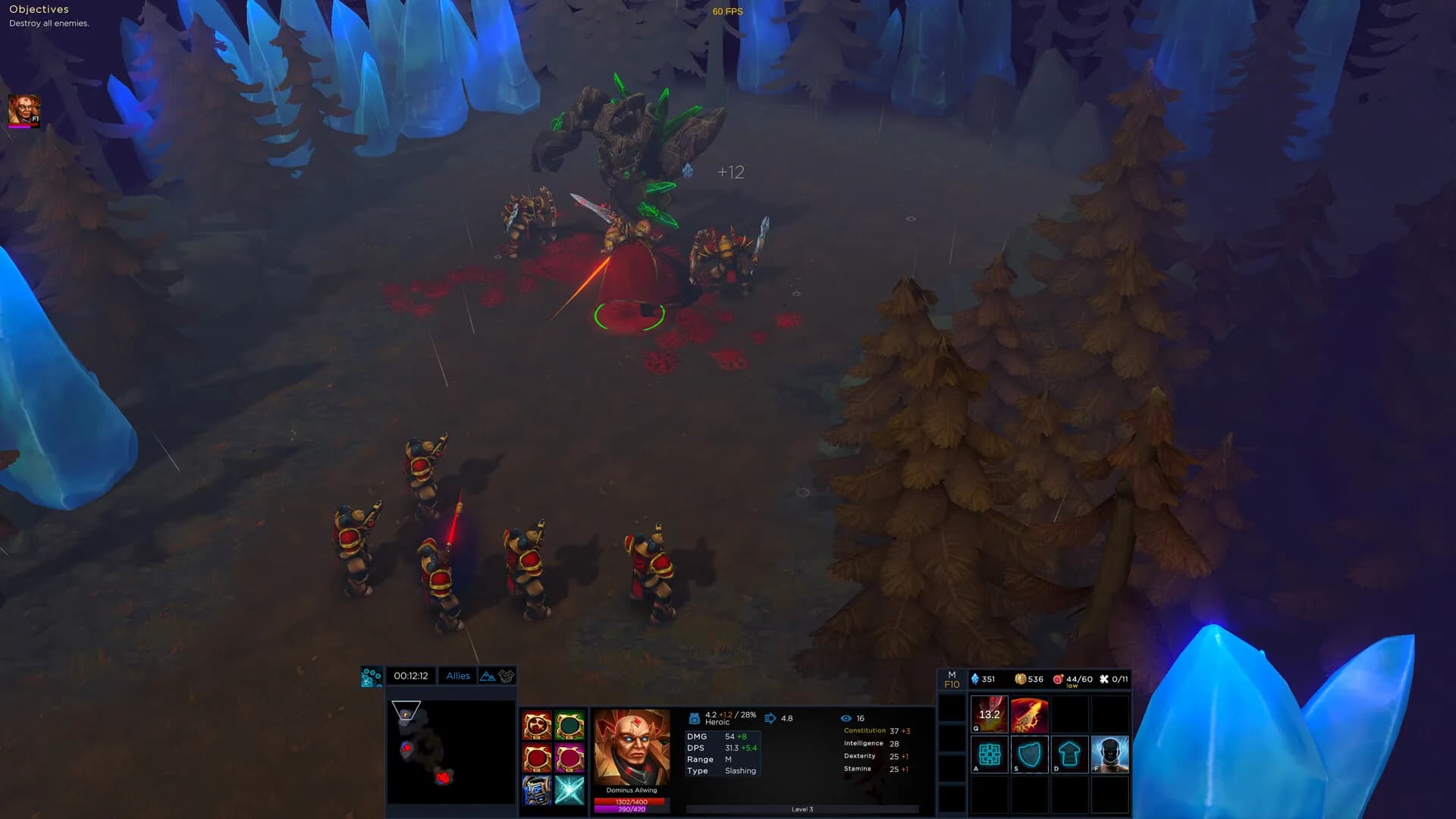
Let us settle the comparison question right away, because I get it often: no, Liquidation is not a StarCraft, and that is not even the point. StarCraft is the school of macro, of a roaring economy and 300 actions per minute. Liquidation belongs to my family, that of Warcraft III and Dawn of War: you think positioning, terrain, unit synergy and commander abilities. You lead an army, you do not manage a spreadsheet.
By the way, after Warcraft, the logical next step for me was Dawn of War. I must have sunk 2,000 hours into it, thank you THQ. So a game that claims that double lineage, Warcraft III and Dawn of War, lands squarely in my wheelhouse, and believe me, I am watching it closely.
And the pedigree reassures. The publisher is MicroProse, the old house of strategy that raised generations. It smells of love for the genre, of an RTS designed by people who know where they come from. For a studio, Divio, making its very first game, having Warcraft III as a model and MicroProse behind it is a display of serious ambition. The computer-room kid I never stopped being wanted to believe in it.
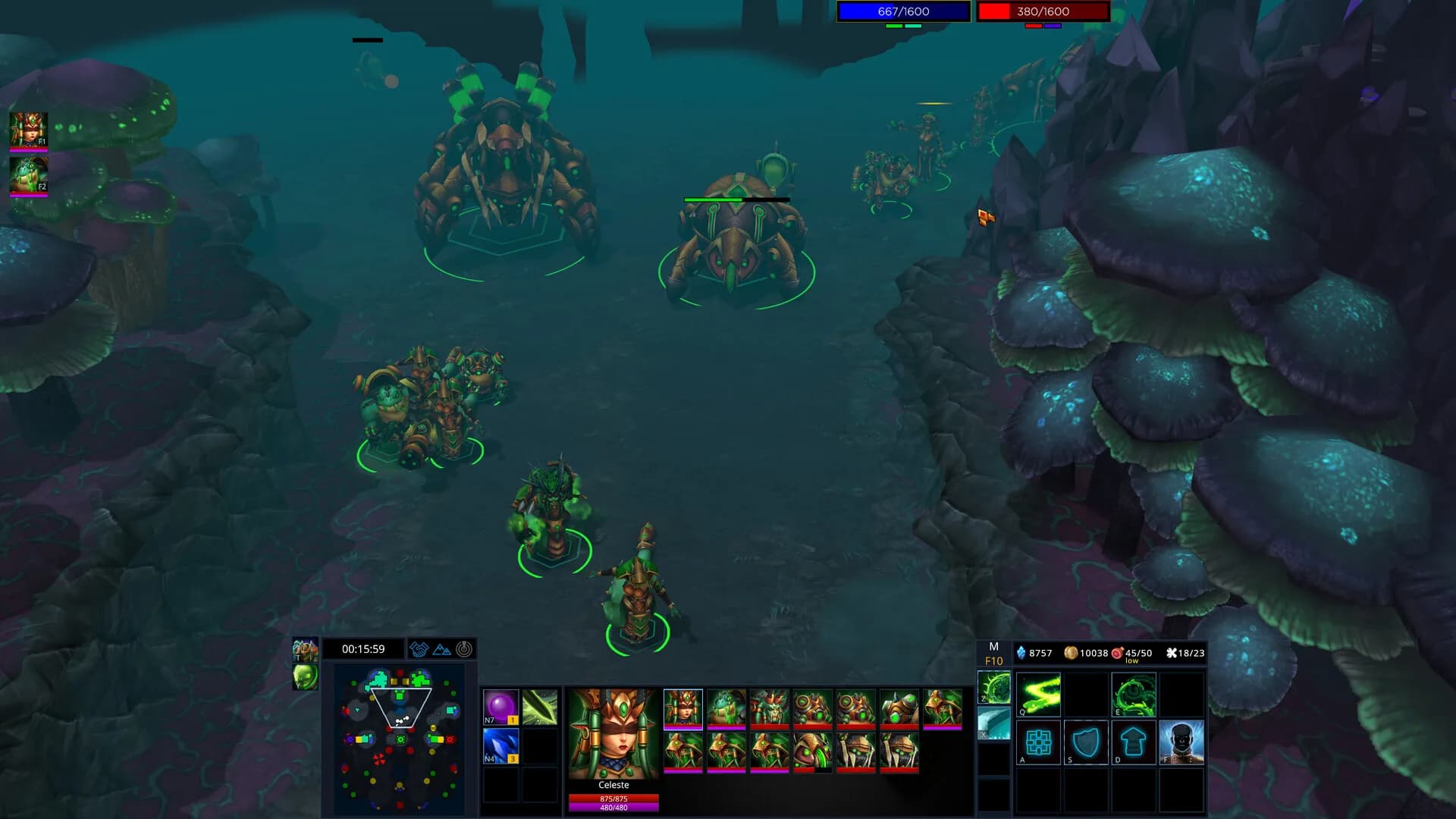
And at times, it worked. The setting builds a real atmosphere: Veá, a dying planet ravaged by a cataclysm called the Splintering, and everyone tearing each other apart over a mysterious substance, Quenrium. You lead the Twilight Crusade, the Scourge Alliance or the Legion, each with its own identity. The isometric view has that slightly austere character that smells of the RTS of my youth.
Above all, it thinks. The battles reward the head more than click speed. The first time I turned a badly started fight around by repositioning my troops behind cover and flanking the enemy, I felt exactly the shiver of my Warcraft 2 games in the computer room. That little smile of someone coming home. For a few games, I was ten years old again.
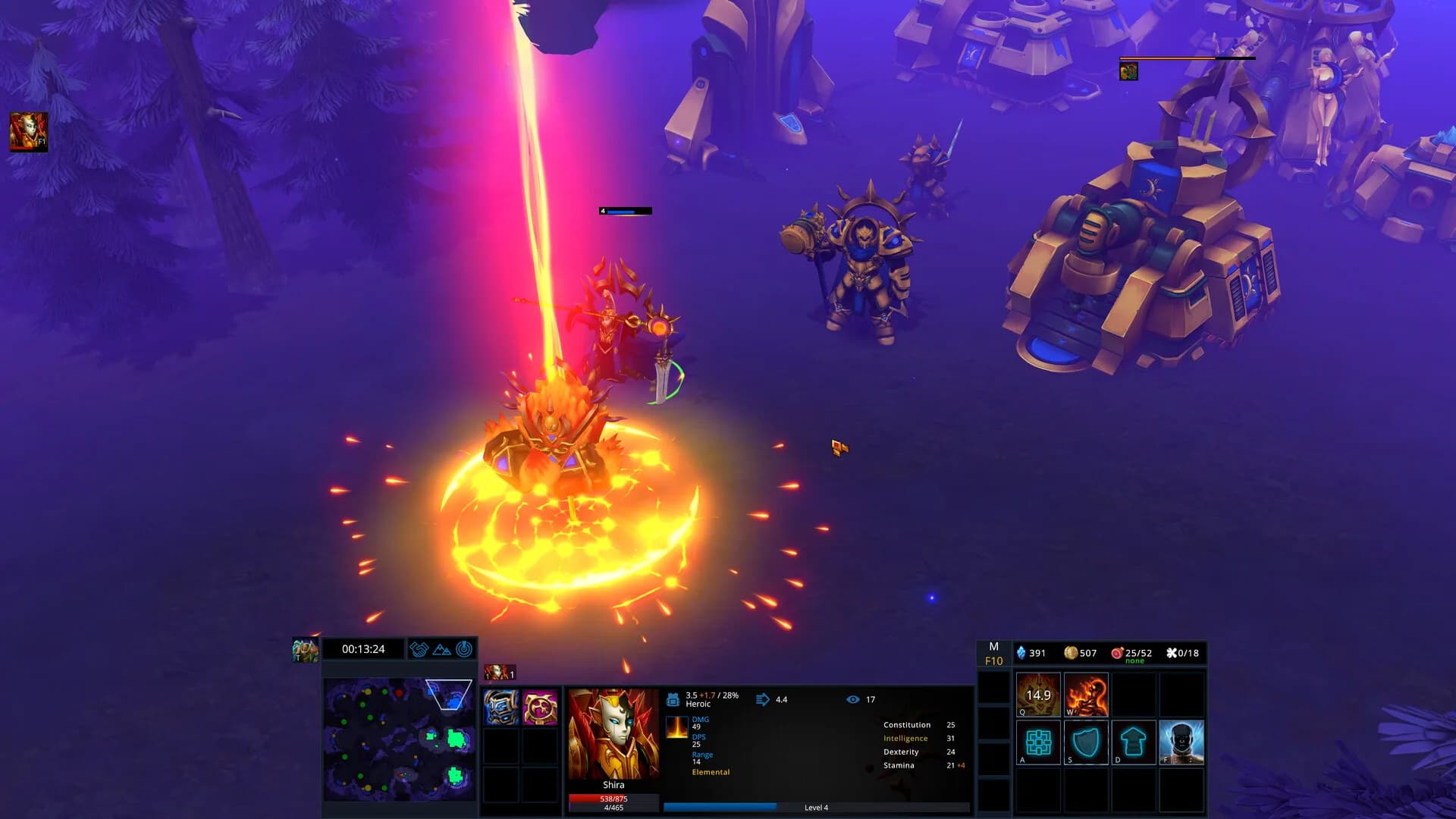
Here is where the dream hits reality. Liquidation launches in Early Access, and you have to take it for what it is: a work in progress. At launch, only the first two campaign chapters, meaning six missions, three of the four planned factions, and skirmish maps in PvP and PvE. The full version will not arrive before the second half of 2027. You are mostly buying a promise.
The content is therefore thin, you go through it quickly, and you feel the rough edges of a first draft here and there: balance to fine-tune, a production that lacks the means of the genre's heavyweights. Nothing shameful for a debut studio. But Warcraft III, my Warcraft III, was a complete, dense, finished game that held me for years. Liquidation, today, is the skeleton of a good RTS, not yet the RTS itself.
I am going to be honest with the kid I was: no, Liquidation is not yet up to the heritage it claims. It has the DNA, the right school, the right atmosphere, but its Early Access status holds it back too much to declare the return of the king. For now, it is the bittersweet pleasure of recognising a familiar flame that has not truly caught yet.
But it has the blood, and that is already a lot. I am going to let it grow, come back in a few months, and I sincerely hope that at full release, it will have earned its place in the lineage. In the meantime, thank you Liquidation for sending me back, for the space of a few battles, to that primary-school computer room where it all began. The grandfather would be proud of the attempt, if not yet of the result.
We debrief every release on our Discord. The door is open, and so is the argument.