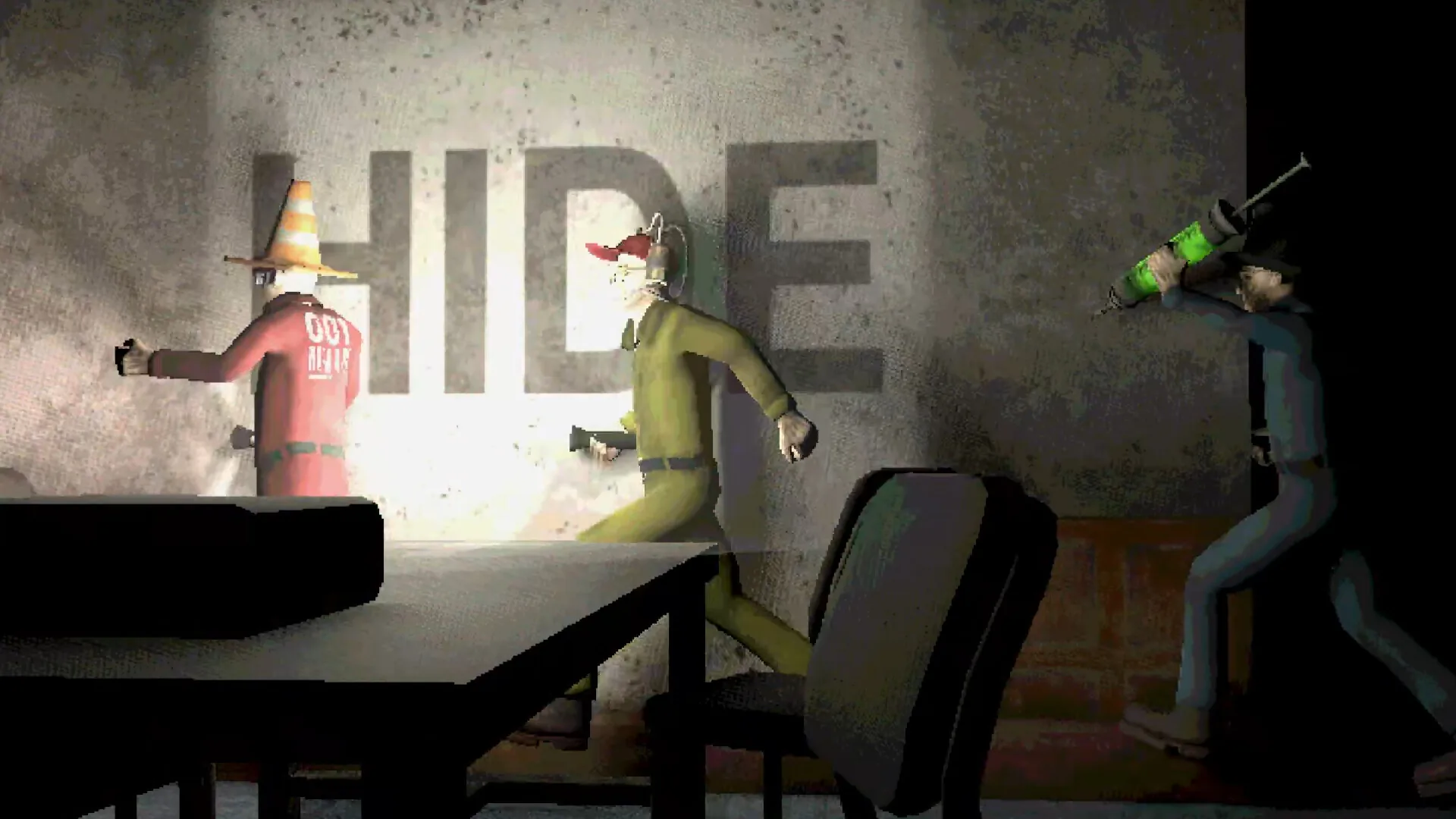
In Machine Party, every minigame could be your last, and panic is as lethal as the machine itself. Surviving depends not only on your reflexes but on your ability to keep a cool head, communicate and know when to help your friends or push them into the trap. This guide gives you the principles to stay alive longer than the others, and laugh while watching them fail.
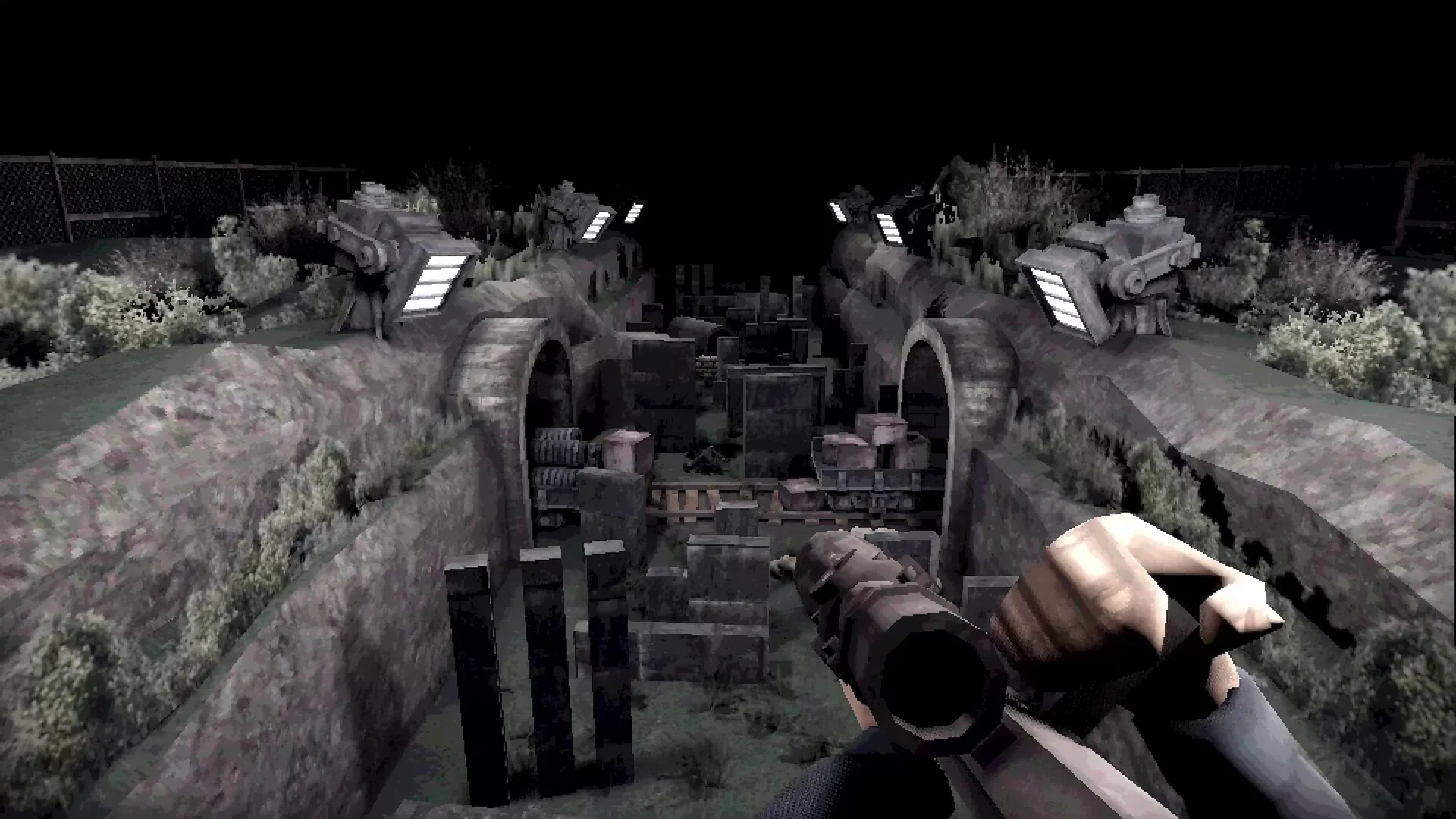
The leading cause of death in Machine Party is not difficulty, it is panic. When a trial puts your survival on the line, the natural reflex is to rush, and that is exactly what causes the fatal mistake. The most important skill in the game is therefore to slow down mentally the moment everything speeds up: breathe, observe for a second what the trial actually asks, then act with precision rather than in a panic.
Get into the habit of reading each minigame before throwing yourself in. Most trials obey a simple logic once you understand it, but they severely punish those who charge in without thinking. A calm player who executes cleanly will almost always beat a fast but panicked one. In Machine Party, haste kills more surely than the machine.
Machine Party is a deeply social game, and communication is your best weapon of collective survival. In trials that demand coordination, clearly announcing what you are doing and what you see avoids the catastrophes caused by two players stepping on each other. Assign roles in advance when possible, and flag danger as soon as you spot it.
But beware the trap of blind trust. Communication serves cooperation, but it can also be a tool of manipulation in a game where betrayal is encouraged. An ally a little too insistent that you go to a certain spot may be hiding a trap. Learn to tell sincere mutual aid from self-interested manoeuvring, and always keep a share of suspicion, even toward your best friends. In Machine Party, information is a currency, and everyone cheats a little.
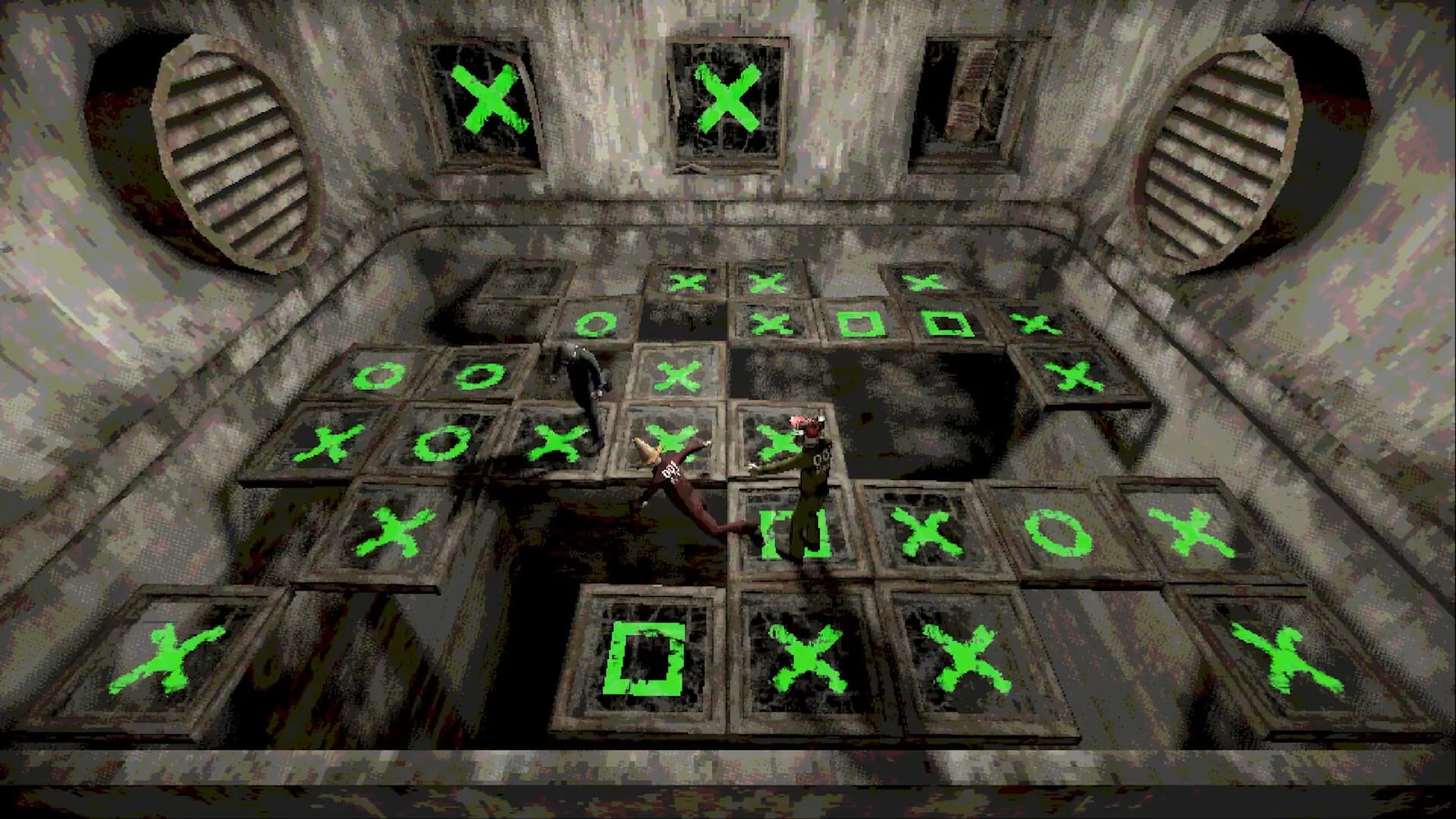
Sabotage is the zest of Machine Party, but poorly dosed, it turns against you. The golden rule: never betray without a clear advantage at stake. Pushing a friend into the trap just for fun is tempting, but if it exposes you or wastes your time in a trial where your own survival is on the line, it is a bad calculation. Good sabotage is the one that earns you more than it costs.
The best time to betray is when victory is near and reducing the number of survivors works in your favour, or when an opponent is already in a position of weakness. Conversely, in phases where cooperation is necessary for everyone's survival, sabotaging too early condemns you as much as the others. Read the situation: sometimes mutual aid is the most selfish strategy of all, because it keeps you alive long enough to betray at the decisive moment.
Anticipating other players is what separates the survivor from the corpse. Observe your partners' habits: the one who betrays at the slightest chance, the one who plays cautiously, the one who panics under pressure. These profiles reveal themselves quickly over the games, and knowing them lets you predict their reactions in critical moments and adjust your own play accordingly.
Beware in particular the player who is too calm at the wrong moment: in a game where everyone is stressed, suspicious composure often hides an intent to betray. Conversely, a visibly overwhelmed ally is both an opportunity and a danger, because their panic can drag you down with them. Adapt your trust to each personality, and never forget that in Machine Party, your best friend is your most dangerous opponent, precisely because you lower your guard with them.

What is the leading cause of death in Machine Party?
Panic, not difficulty. Slowing down mentally when everything speeds up, reading the trial before jumping in and acting with precision almost always beat haste.
Should you trust your teammates?
Yes to cooperate, but never blindly. Communication can be a tool of manipulation in a game where betrayal is encouraged. Always keep a share of suspicion.
When should you sabotage?
Only when sabotage earns you more than it costs: when victory is near, when an opponent is in a position of weakness, or when reducing the number of survivors benefits you.
How do you survive longer than the others?
Keep your cool, communicate smartly, read your opponents' personalities, and choose the decisive moment to betray rather than betraying on impulse.
How many players is the game best with?
Machine Party is built for two to four players and shows its full worth in a complicit, chatty group, where the social dynamic of betrayal creates the best moments.
Guide written from the PC version.
A question, a tip to share? The InsertCoins Discord is the place for it.