8
Test
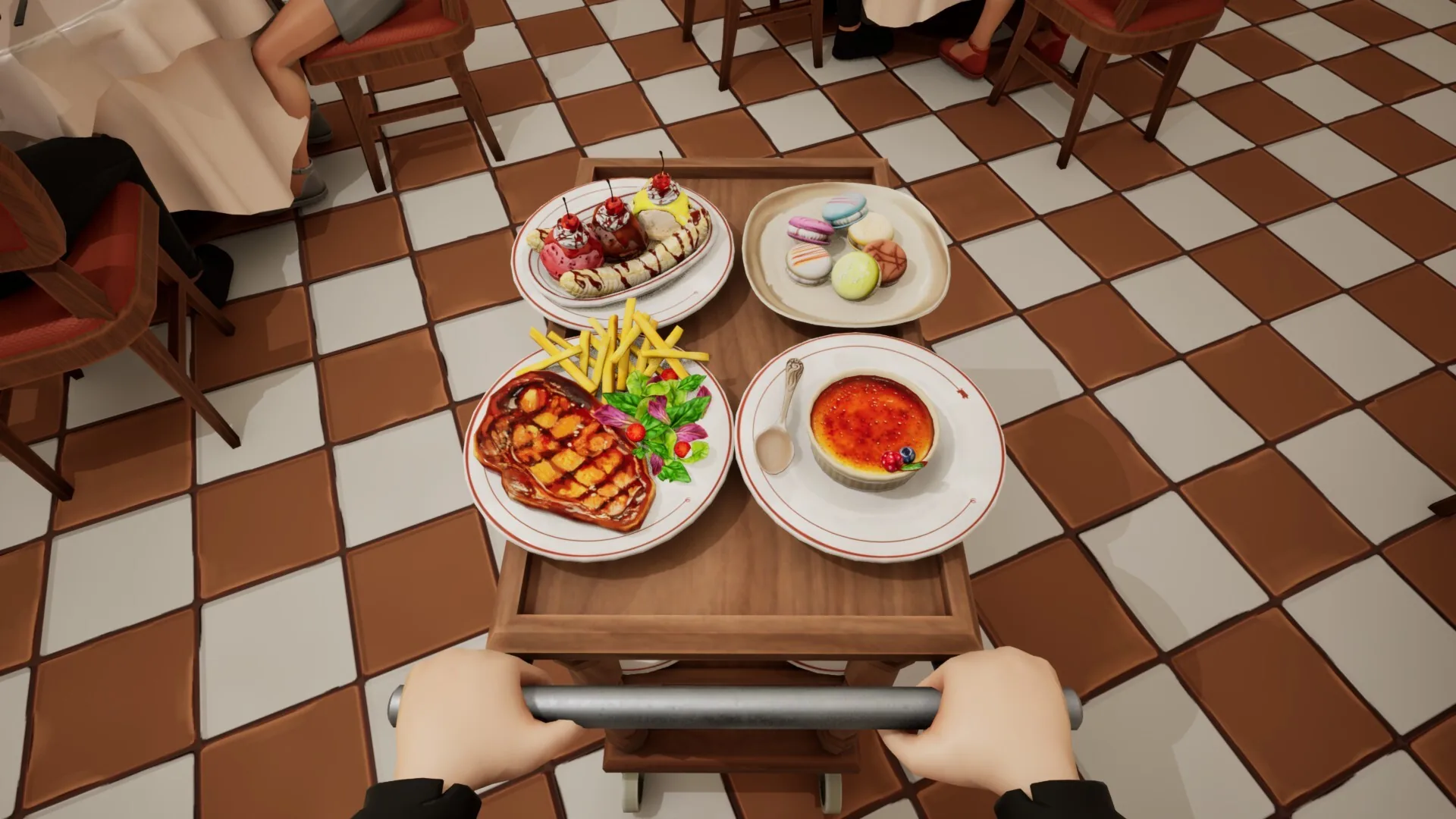
Parisian Bistro Simulator: you serve steak frites with eight people, and hide the takings in a personal vault
A co-op restaurant game hiding a surprising mechanic: concealing cash, and a financial vigilance gauge.
Alexandrosse
9 min

Who does what in co-op, how not to sink during the rush, and how far to push the shady side activities.
Alexandrosse
A restaurant game is always lost the same way: everybody runs, nobody cooks, and the dining room empties in silence.
This guide exists to avoid that. Our full review is here if you are still deciding.
The game takes up to eight players. That is good news and a trap.
With eight and no organisation, you get eight people doing the same thing in the same place. Assign roles before opening, not during service.
The allocation that works, in order of priority:
If there are fewer of you, delete roles rather than share them. Two people each doing one complete job beat four each doing a quarter of three jobs.
The game asks different things of you depending on the hour, and that is where many teams get caught out.
Morning. Kitchen prep and breakfast orders. This is the calm moment, so this is when you prepare everything else. Stock done in the morning is a service saved at lunch.
Service. The rush, with the kitchen minigames. Do not chase perfection on every plate, chase a steady flow. A decent plate served now beats a perfect one served after the customer has left.
The rooftop, in the evening. The roof becomes a nightlife venue, with a DJ and cocktails. It is a different activity, more profitable, and it often requires shifting people from the kitchen to the bar. Plan the transition rather than suffering it.
Advertisement
Behind the service sit finances, inventory, suppliers and staff.
Three habits.
Check stock before service, not during. Running out of an ingredient mid-rush is the most expensive mistake in the game.
Hire before you need to. An employee taken on during a crisis is an employee who does not help immediately.
And do not expand too early. Unlocking new areas increases customer numbers, and therefore load. A bigger bistro with the same team is a bistro that serves worse.
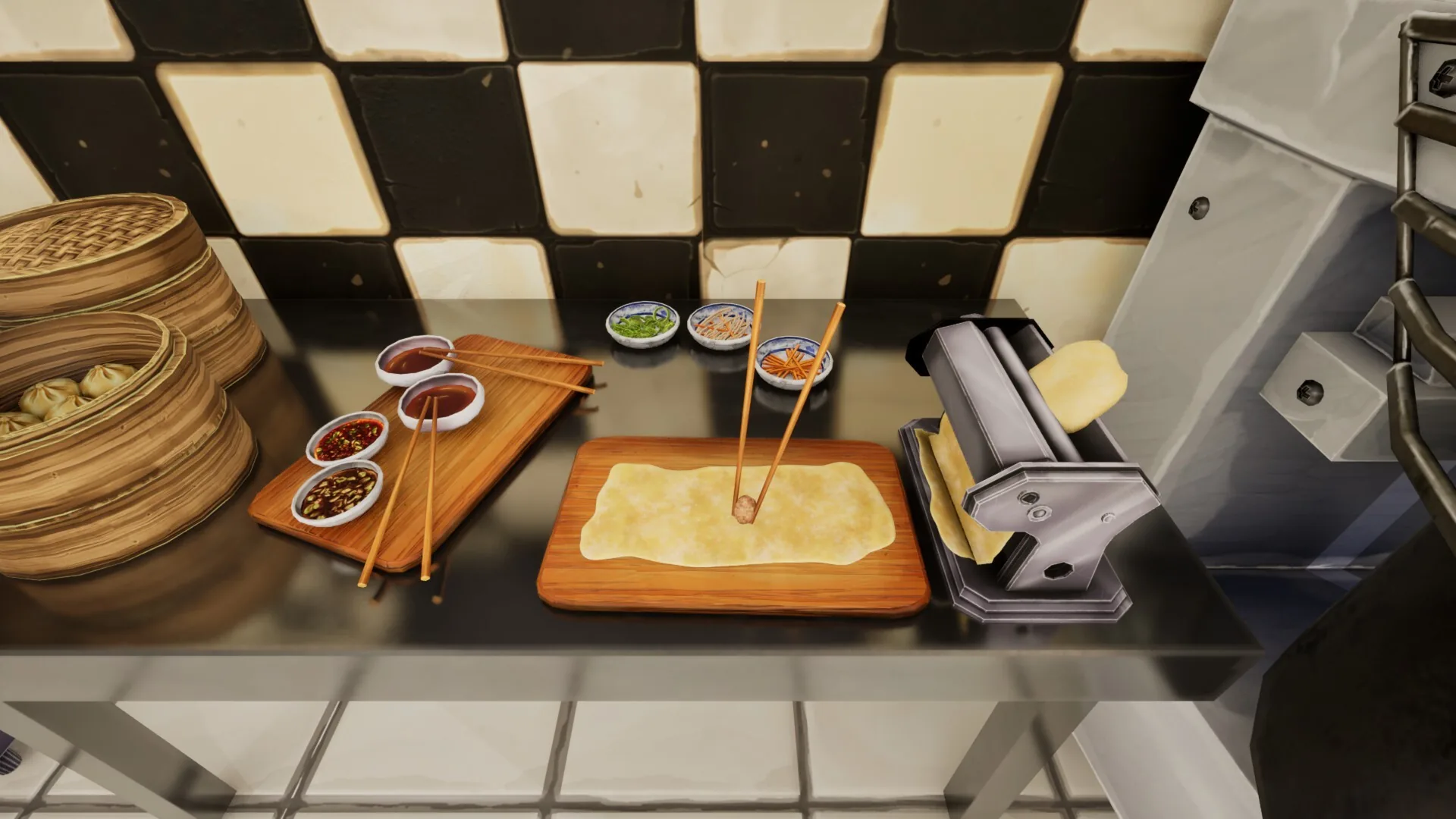
This is the game's most interesting system and its least explained.
You can hide cash, secure earnings in a personal vault and take on shady side activities. Against that, a Financial Vigilance gauge measures the attention you attract.
Here is how I would approach it.
Do not start there. Until your bistro is profitable honestly, fraud is not a shortcut, it is a risk added to an existing problem.
Hide small amounts regularly rather than in large bursts. A gauge that rises slowly can be managed, a gauge that leaps gets noticed.
Treat the vault as savings, not as working capital. What you put in no longer runs the restaurant. A struggling bistro with a full vault is a badly managed bistro.
And check the gauge before each new operation, not after. The game warns that attention eventually arrives; the idea is to stop before it, not to test the limit.
Everybody in the kitchen. The natural reflex, and the most destructive. Plates come out, nobody delivers them.
An improvised rooftop. Switching the team at the last moment leaves the downstairs floor unmanned for ten minutes.
Cleaning postponed. As in every game of this kind, cleanliness drives satisfaction, and therefore revenue.
And fraud before profitability. See above.

Open small. Assign roles before the first customer. Do your stock in the morning. Hold a clean service before thinking about the rooftop. Expand only when the team is bored. And touch the vault only on the day the bistro runs without you.
How many customers left unserved during your worst shift? We compare disasters on the InsertCoins Discord.
More on Parisian Bistro Simulator
All about Parisian Bistro SimulatorCommunity
Your rating
Advertisement
Loading comments...
You might also like
A co-op restaurant game hiding a surprising mechanic: concealing cash, and a financial vigilance gauge.

Pad or wheel, which assists to keep, how to hold a line on an oval, and why the draft changes everything.

Where to start, how to gain influence, when to marry, and why your first dynasty is going to die out stupidly.
How to set prices, what to order, why your customers leave, and the discipline you need in front of a booster box.