Pro Cycling Manager 2026 is a demanding management game, where Sunday's victories are prepared months in advance behind the scenes. Career mode is its heart, and that's where the real game plays out: recruitment, development, budget, calendar. A manager who neglects their scouting or blows their budget on a sprinter at the end of his career is heading for disaster, while one who patiently builds a pool of young talent dominates the season with ease. This guide gathers the essentials to start your career right, master recruitment and manage your team for the long haul. For our full opinion on the game, head to the Pro Cycling Manager 2026 review.
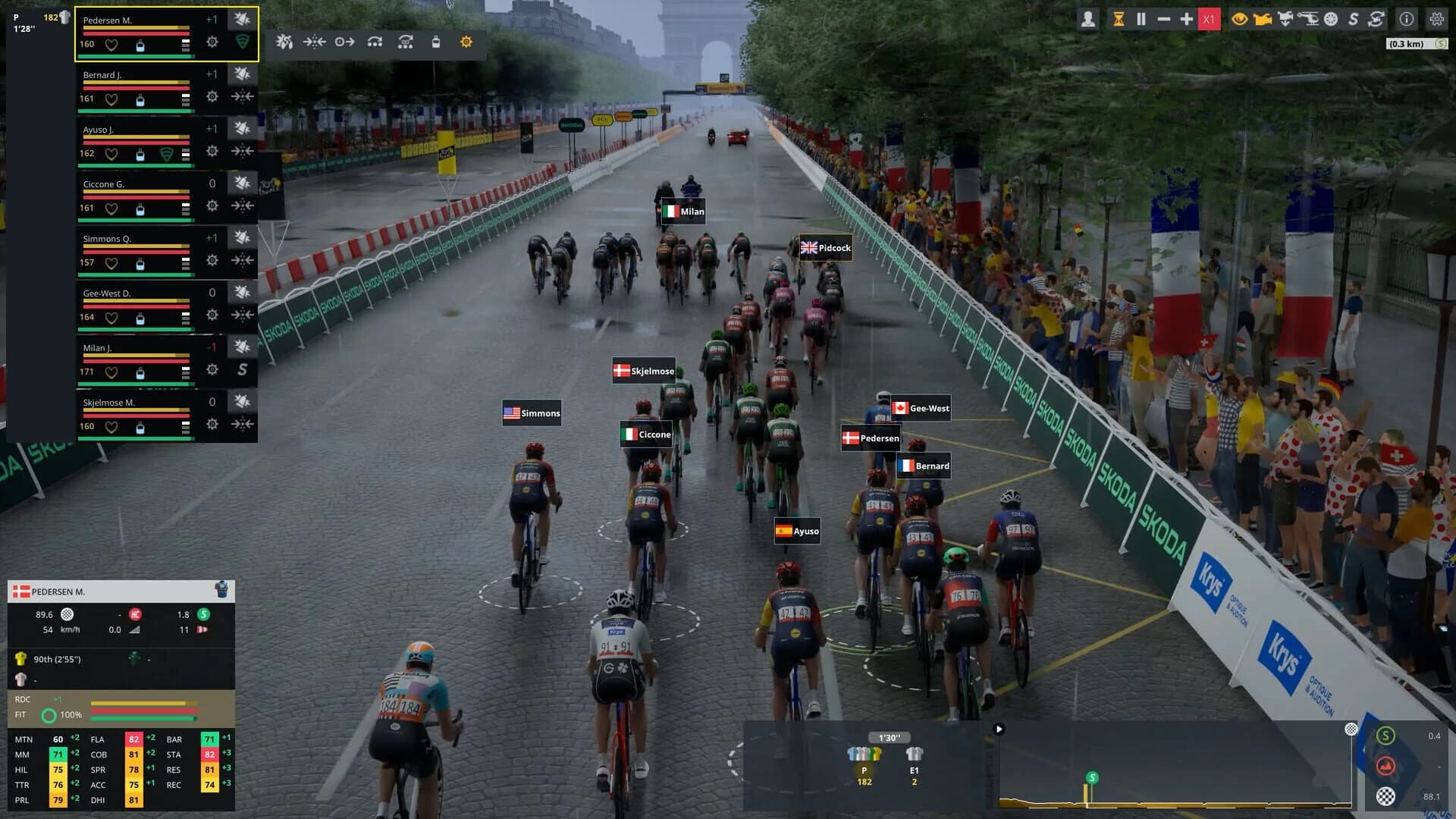
The first choice, the one that shapes your whole experience, is the team. Two philosophies are on offer. Taking a big World Tour outfit, with a comfortable budget and established leaders, guarantees an easy start: you have the resources from the get-go to recruit, aim for the big objectives and win quickly. It's the ideal choice to learn the mechanics without financial pressure. The downside is a lesser challenge and reduced room to grow, since you start at the top.
Conversely, taking over a modest, small-budget team turns the career into a genuine building project. You'll have to work with limited means, dig up the gems others missed, and build your success brick by brick. It's harder, slower, but infinitely more rewarding for whoever loves the management and development side. Our advice: if you're a beginner, start with a solid team to absorb the systems, then launch into an ambitious project with a small outfit once you've got the mechanics down. In any case, pick a team whose sponsor objectives fit your playstyle, because those objectives will shape your season.
Scouting is the crux of it all, and its dossier-points mechanic is a priority to understand. Each month, you receive a certain number of dossier points, determined by the quality and quantity of your recruitment staff. These points are the currency you spend to reveal the hidden attributes of riders, whether contracted rivals or unsigned amateurs. Without a good scout network, you recruit blind, and that's the best way to waste your budget on an overrated rider.
The winning strategy comes in three steps. First build an elite scout network from the start, because it determines your point volume. Then maximize your dossier points before July, so you've revealed as many potential targets as possible. Then strike with aggressive offers the moment the transfer window opens on 1 August. A precious tip: recently retired riders can be hired as coaches or scouts, and these former pros often have exceptional regional knowledge. A legendary Italian climber, for example, will grant bonuses when scouting in Italian and Swiss regions. Choosing your scouts by the regions you want to prospect is a considerable efficiency multiplier.
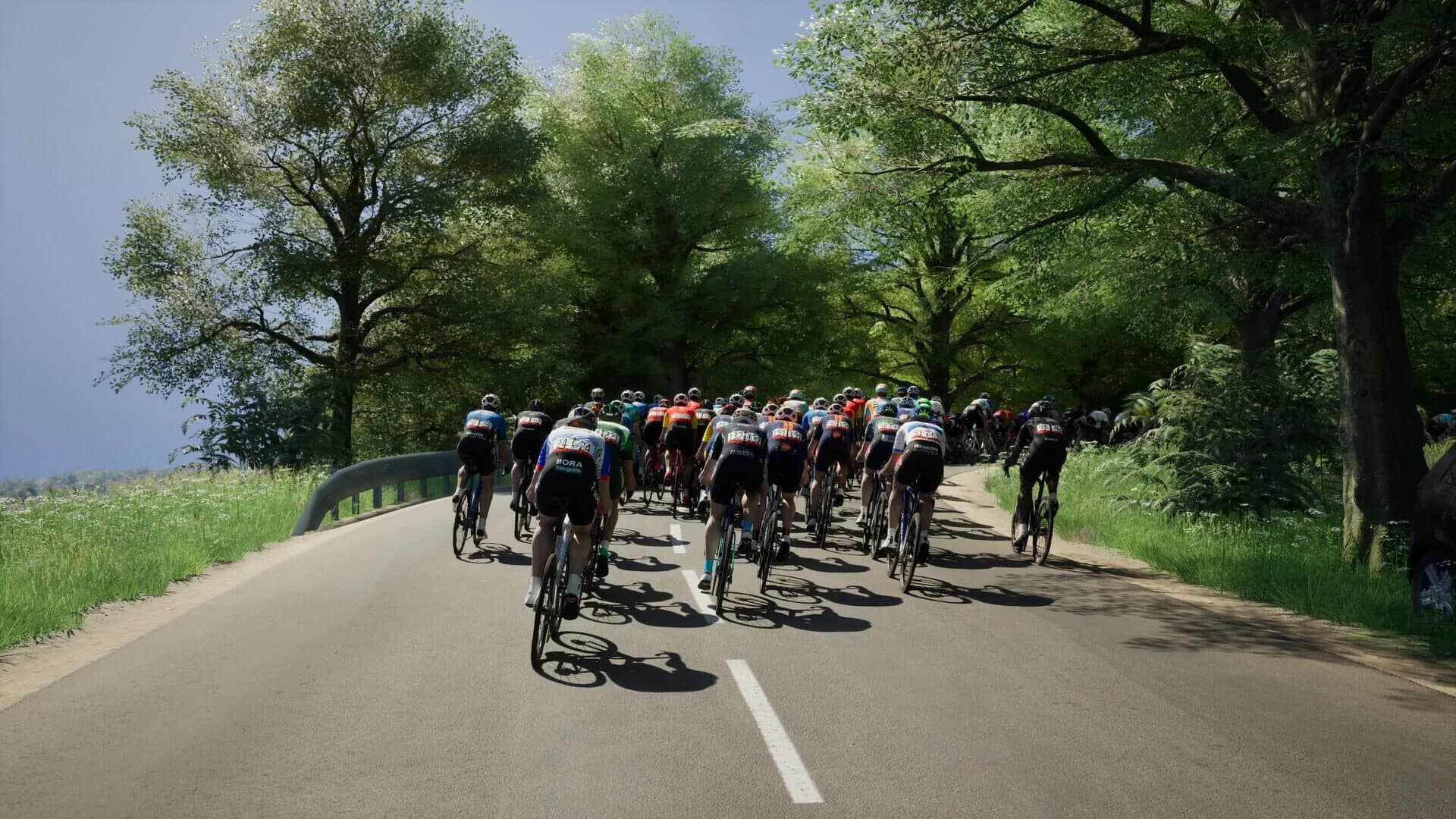
Once your targets are identified, the success of your transfers rests on a few solid principles. The first, and most profitable over time: target young riders with high growth potential rather than established stars. A raw twenty-year-old talent who'll gain level season after season is worth far more, financially and athletically, than an end-of-career specialist already at his peak. It's the foundation of a lasting team.
The other rules complete that logic. Avoid overpaying short-term specialists, whose value will only drop. Build depth for stage races, where a single leader isn't enough and you need solid teammates to protect and lead him out. Prioritize riders who fit your sponsors' objectives, because they fund your season. And above all, plan your contracts early: anticipating your key riders' contract ends keeps you from losing them for nothing to a rival. Smart recruitment often determines long-term success far more than a single race day's performance.
Financial management is the invisible bedrock of any successful career. From 31 July, you prepare your budget for the following year: it's about balancing your sponsors' income with your expenses, between team renewal, new signings, and money set aside for coaches, doctors, scouts and training camps. Never neglect your staff: good coaches speed up your youngsters' progress, good doctors limit injuries, and good scouts, as we saw, feed all your recruitment. Investing behind the scenes always pays off over time.
Organizing your roster matters just as much. The team hierarchy system lets you establish clear roles for each rider and organize them by their specialties, climber, sprinter, time trialist, or versatile all-rounders. Defining who's a leader and who's a teammate, on which races and for which objectives, is essential to get the best from each and avoid tensions in the locker room. Finally, plan your race calendar carefully, aligning your season objectives with your roster's strengths and your sponsors' expectations. A well-structured team, with clear roles and a coherent calendar, always outperforms an assembly of poorly used talents.
Which team should you pick to start?
A big World Tour outfit to learn easily with a comfortable budget, or a small team for a real building project that's harder but rewarding. Choose based on your objectives and your sponsors' style.
How does scouting work?
You receive dossier points each month based on your recruitment staff, to spend on revealing riders' hidden attributes. Maximize them before July and strike the moment the window opens on 1 August.
Which riders should you recruit first?
Young riders with high growth potential rather than end-of-career stars, building depth for stage races and aiming at your sponsors' objectives.
Can you hire former riders as staff?
Yes, recently retired riders can become coaches or scouts, often with regional knowledge that boosts scouting in certain regions.
When do you prepare your budget?
From 31 July, balancing sponsor income and expenses (renewals, signings, staff, camps), without forgetting to keep a reserve.
Guide written based on the PC version.
A question, a tip to share? The InsertCoins Discord is the place for it.