7
Test
CRACK: there is an egg, it is very big, open it, do not ask why
A one to four player co-op game built on a single absurd instruction. 87 per cent positive for under seven euros.
Alexandrosse
7 min
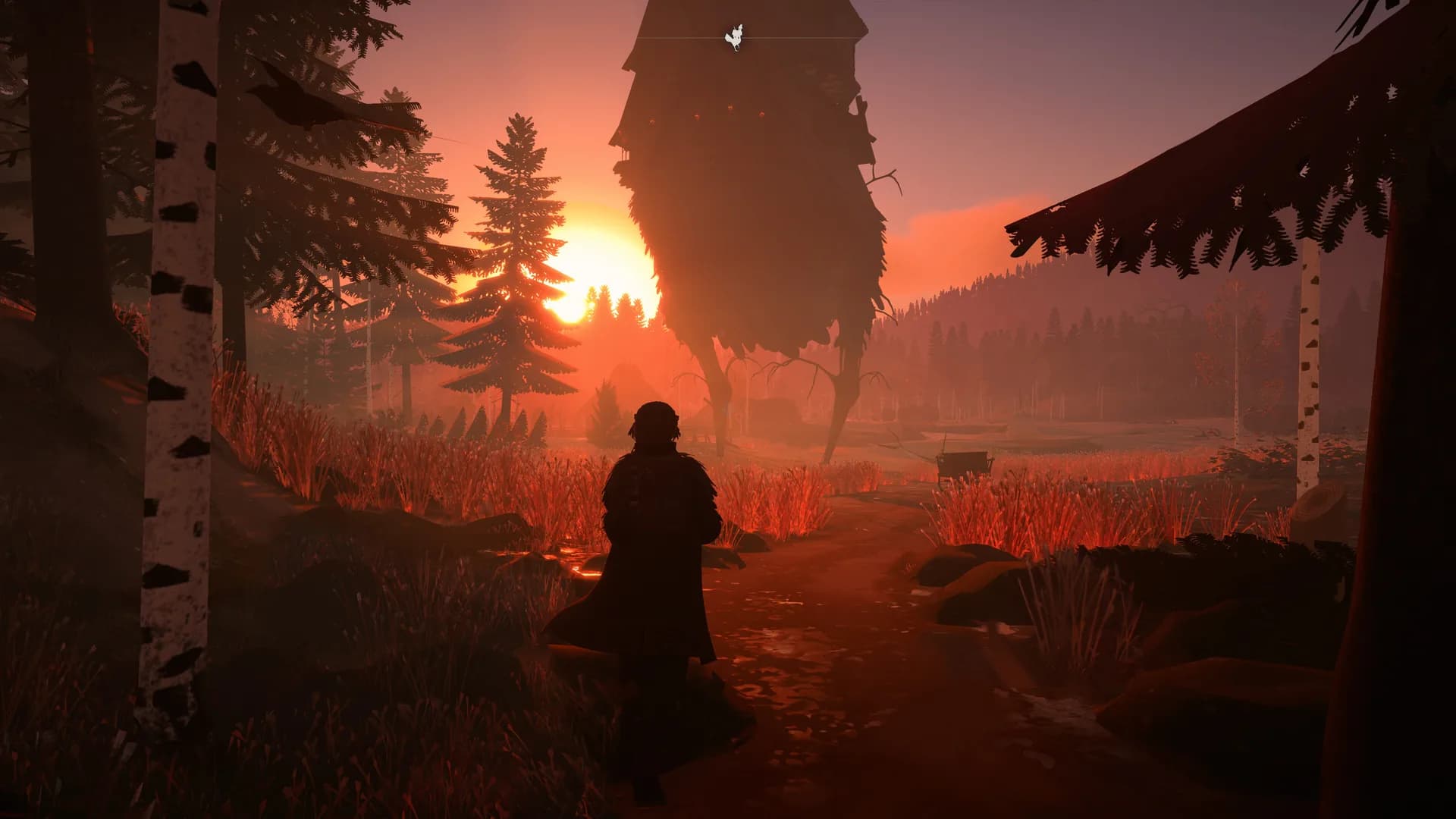
Baba Yaga's apprentice in a Slavic forest, with no danger and no timer. The 1.0 landed yesterday after two years in early access.
Alexandrosse
InsertCoins.press Score
8/10
Verdict
Recommended
There are a handful of images video games never quite dared take seriously, and the hut on chicken legs is one of them.
Baba Yaga's house. The one that rises, walks, and refuses to let you in if it does not like you.
REKA turns it into a house you build yourself, storey by storey, and move whenever the mood takes you.
You are Reka, apprentice to the mysterious Baba Jaga.
And Emberstorm Entertainment leans on a word I want to flag: authentic. The game claims real Slavic folklore, not generic fantasy repainted eastwards.
You can feel it in the details: you learn the old ways, you forage for herbs, you brew potions, you form bonds with animals, and you practise what the store page nicely calls quiet witchery.
And crucially: you choose how your powers affect the lives of the people and creatures you meet.
That is the sentence turning a cosy game into a game with a point. Baba Yaga, in the tales, is neither good nor evil: she helps or she devours depending on how you address her. Inheriting that as a moral system rather than as scenery is the right reading of the source.
That is the central argument and it delivers.
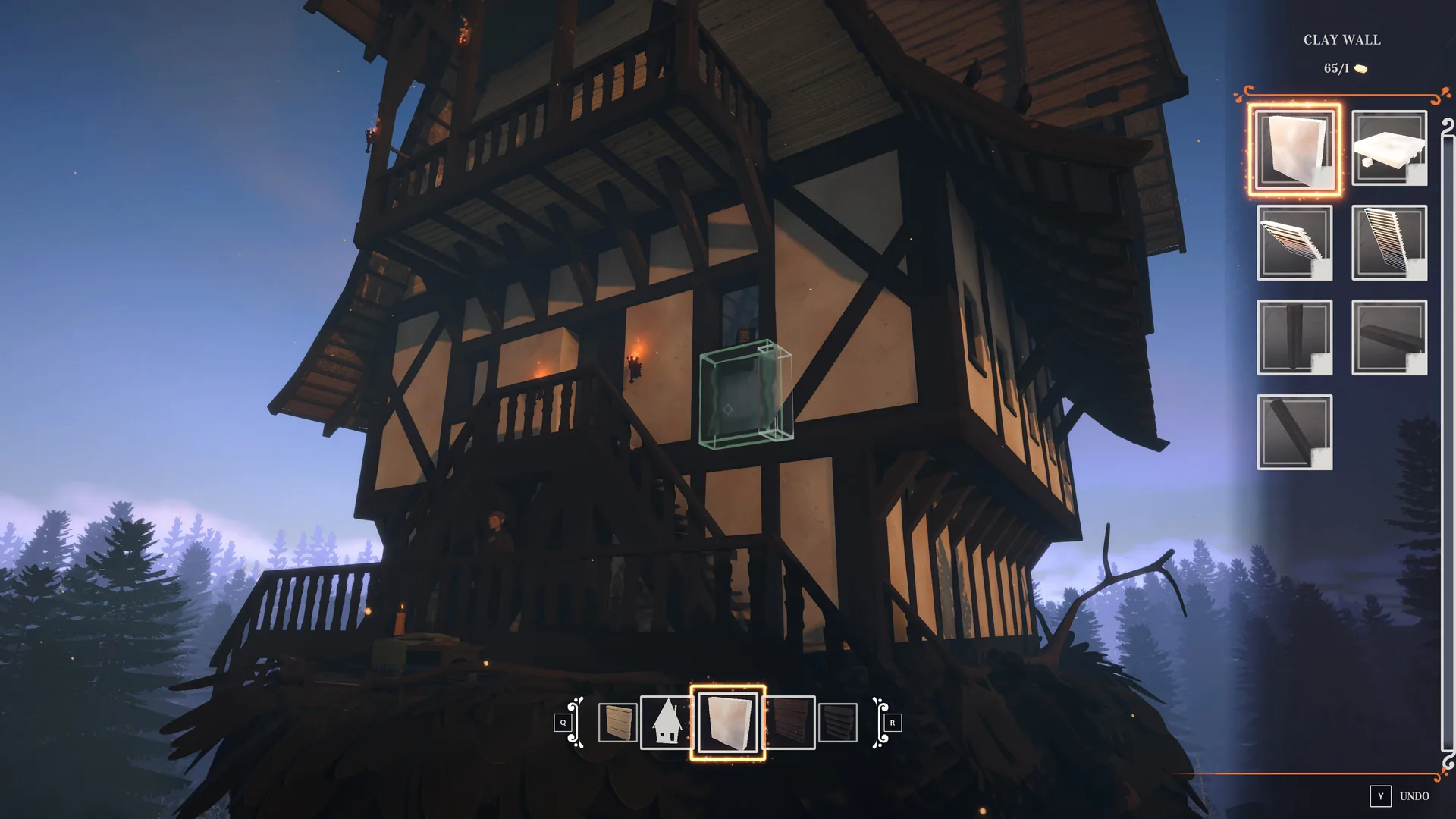
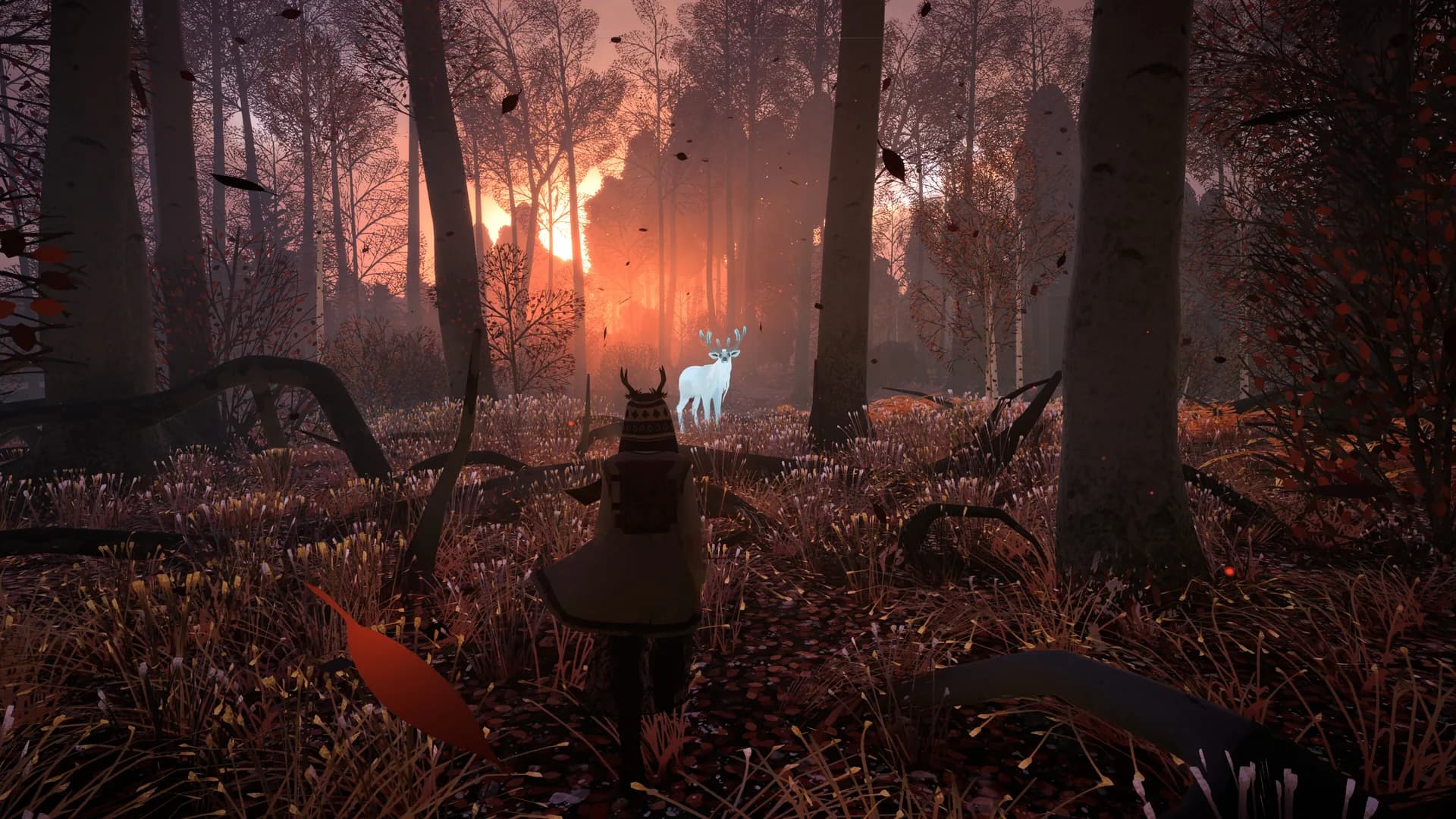
You construct, style and expand your enchanted ambling cottage using a variety of woods and other building materials. You turn a humble wooden room into a cosy, multi-storey home filled with clutter, trinkets, furniture and warmth, to protect you from the quiet chill of the surrounding woods.
Two things please me a great deal here.
The word clutter. The studio writes it literally. In a genre where most games have you aligning furniture on a grid, aiming for mess rather than order is a deliberate and correct aesthetic choice: an empty witch's house is not a witch's house.
And the verticality. You build upwards. On legs. It is absurd and it is exactly right.
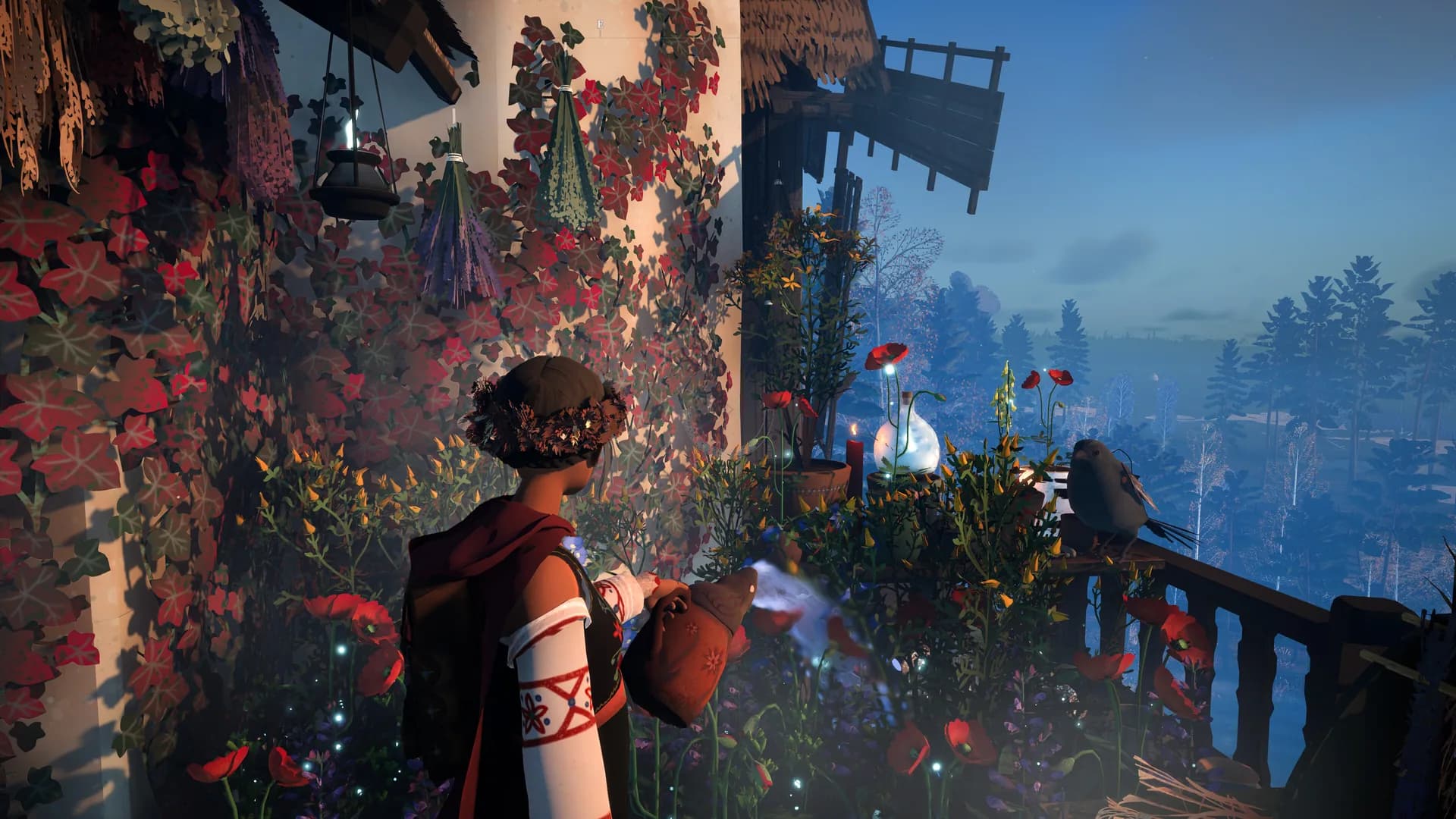
Here is the game's sharpest design decision, and it will divide people.
The store page writes it plainly: free from danger or pressure, you tread an unhurried path steeped in mood, music and a dark fairytale charm.
No enemies. No hunger bar. No night that kills you.
In a landscape saturated with survival games where you build a shack to avoid dying, building a house for the simple pleasure of living in it is almost a political gesture. And the setting suits it: Slavic tales are full of unsettling forests where the danger is not a wolf but a misunderstanding.
If you need a threat to want to play, walk away without regret. If you have ever thought building games would be better without the zombies, you are exactly the audience.
REKA arrived in early access in 2024. The full version came out yesterday.
The game shows 1,977 reviews, rated very positive, with recent feedback running around 85 per cent positive over the past weeks.
That pair of figures is interesting and should be read correctly: a solid overall reputation built over two years, with a slight recent dip. That is the usual pattern at a 1.0 launch, when a wave of new players arrives who did not follow the project and who judge the finished product rather than the distance travelled.
The pace is slow, and that is the subject. Not a flaw to fix, an intention. The game talks about drifting through foggy forests and quiet villages where old spirits linger.
Building is the heart, not a side activity. If you do not fancy spending two hours placing jars on a shelf, you will get through the story and wonder where the game is.
And the village quests carry the narrative. You meet the locals, you help them or you do not, and that is where the promised moral choice takes shape. It is also the point a 1.0 is judged on: do the consequences genuinely exist, or do they amount to two endings.
There is something I find rare in this project.
Most games that borrow from a folklore treat it as an image bank: take the names, throw away the rest. Here, the studio took the logic of the tales, the one where a terrifying old woman in a living house tests you instead of attacking you, and turned it into a system.
Thirteen euros for a walking hut, some potions, and the right to decide whether you help. That is an honest proposition and it has no equivalent.
How many storeys does your house have? We want the screenshot on the InsertCoins Discord, and we are judging the clutter.
Community
Your rating
Advertisement
Loading comments...
You might also like
A one to four player co-op game built on a single absurd instruction. 87 per cent positive for under seven euros.
93 per cent positive. A co-op restaurant, but above all a town where you can spend the afternoon in the arcade.
A last stand that drags on, and a personal industrial shredder. Under five euros for one good piece of writing.