Resonance: A Plague Tale Legacy shakes up everything we thought we knew about the saga: out with stealth at all costs, in with combat. This pivot deeply changes how you approach the game, and it's better to arrive prepared than to fall back by reflex into the old habits of flight. This preparation guide, built on the mechanics confirmed before the 27 August 2026 release, gives you the keys to understand the new combat, the Prism puzzles, survival against the creature and how to orient your skill tree. For our full analysis, head to the Resonance preview.
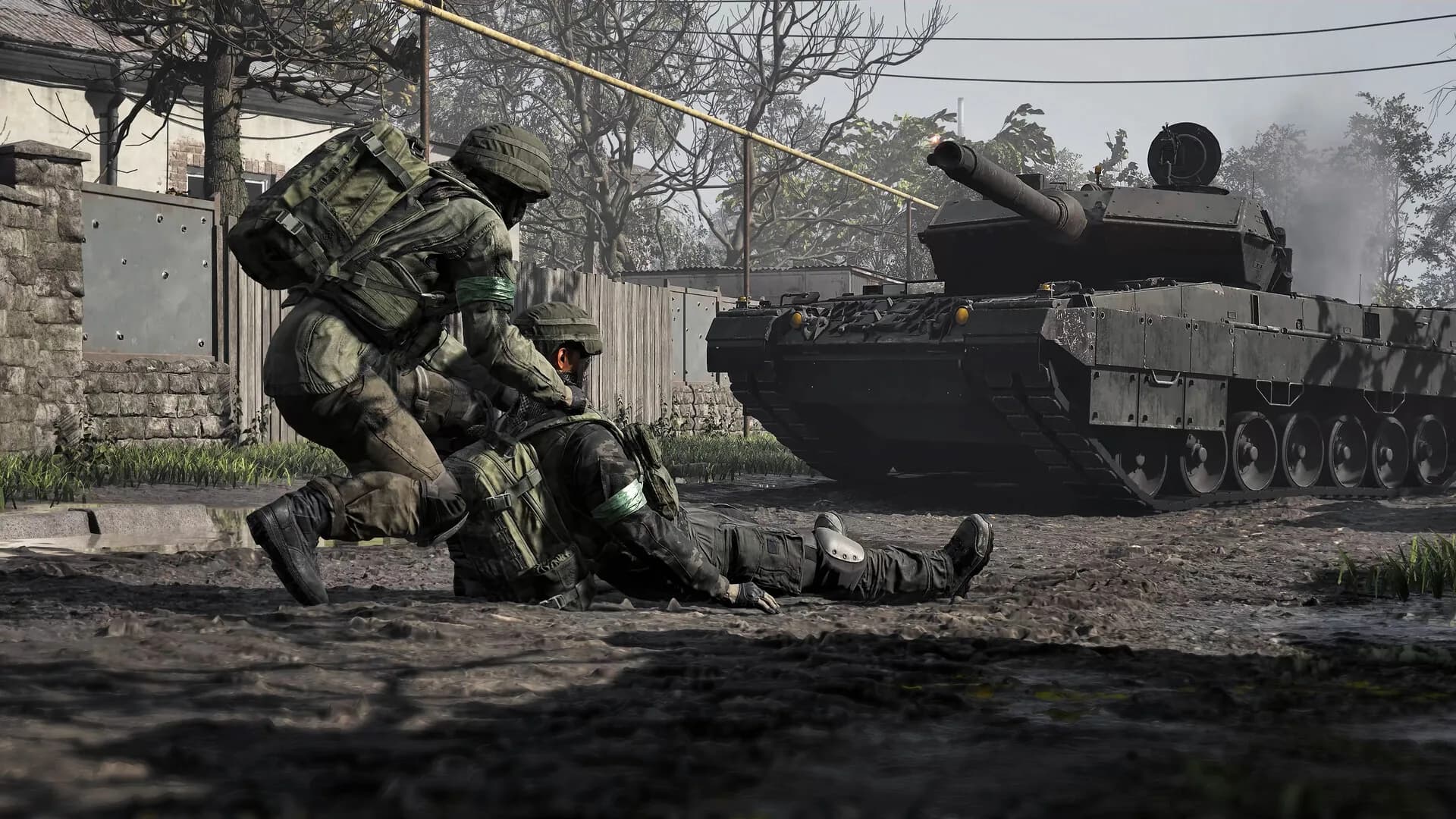
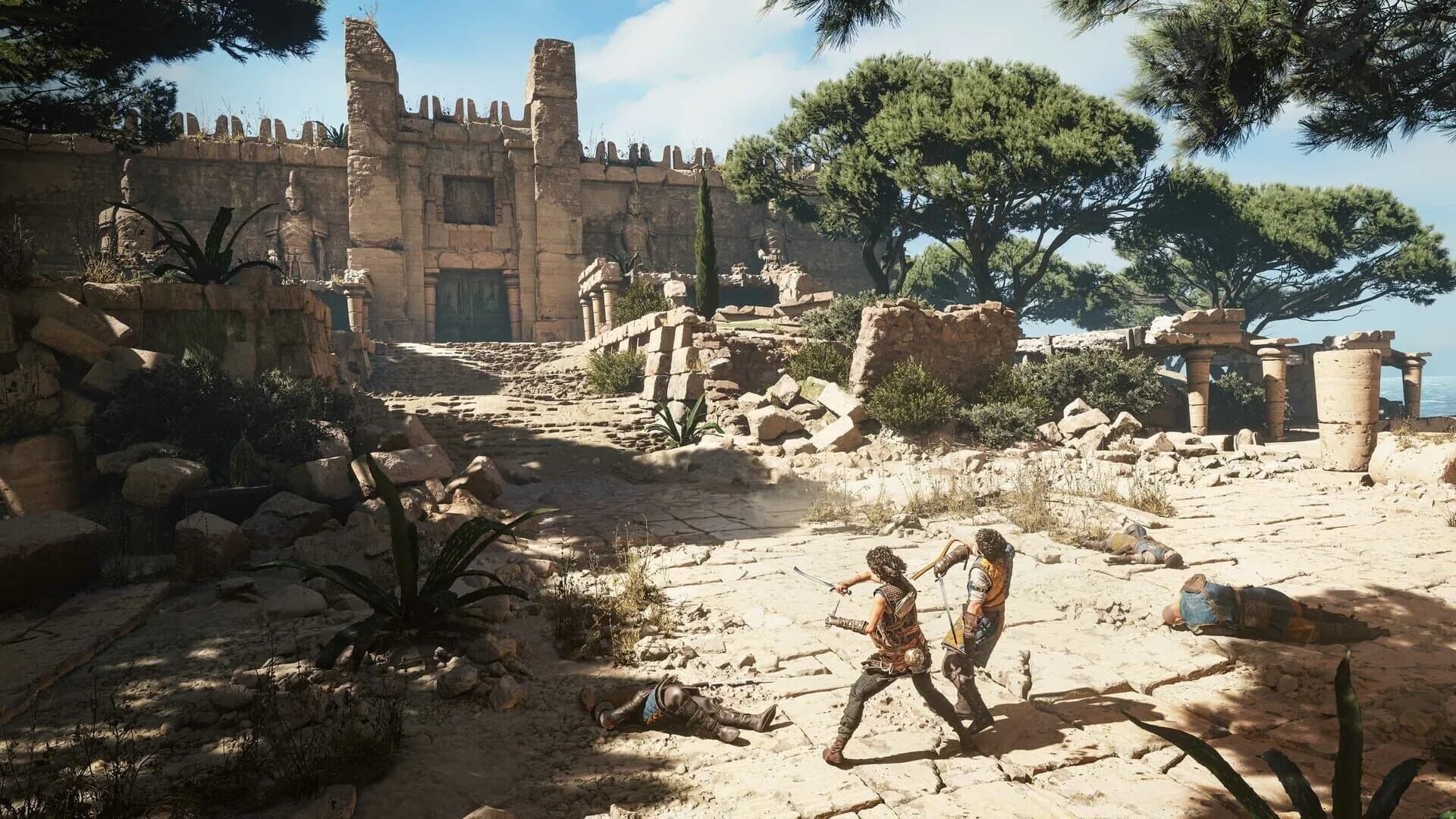
It's Resonance's big change, and the first reflex to build: in this installment, you no longer flee, you fight. Sophia is an agile and formidable fighter, and her combat system means to be rhythmic, reactive and demanding. In practice, it revolves around three pillars: parrying, dodging and powerful strikes. Where the previous entries pushed you to hug the walls, Resonance invites you to face danger head-on, to read enemy attacks and strike back. For the first time in the saga, you can return blows, and you have to unlearn the flight reflex to fully embrace this new aggression.
The key to this demanding combat is timing. A system built on parry and dodge rewards reading and precision far more than button-mashing: anticipate the attack, parry or dodge at the right moment, then punish with your powerful strikes. Expect visceral confrontations that demand composure, where charging in headfirst is the best way to fall. Our advice to start well: devote your first hours to mastering the rhythm of parry and dodge before seeking to chain combos. A fighter who masters their defense survives; one who thinks only of attack gets overwhelmed. Resonance's combat is a dialogue, not a monologue.
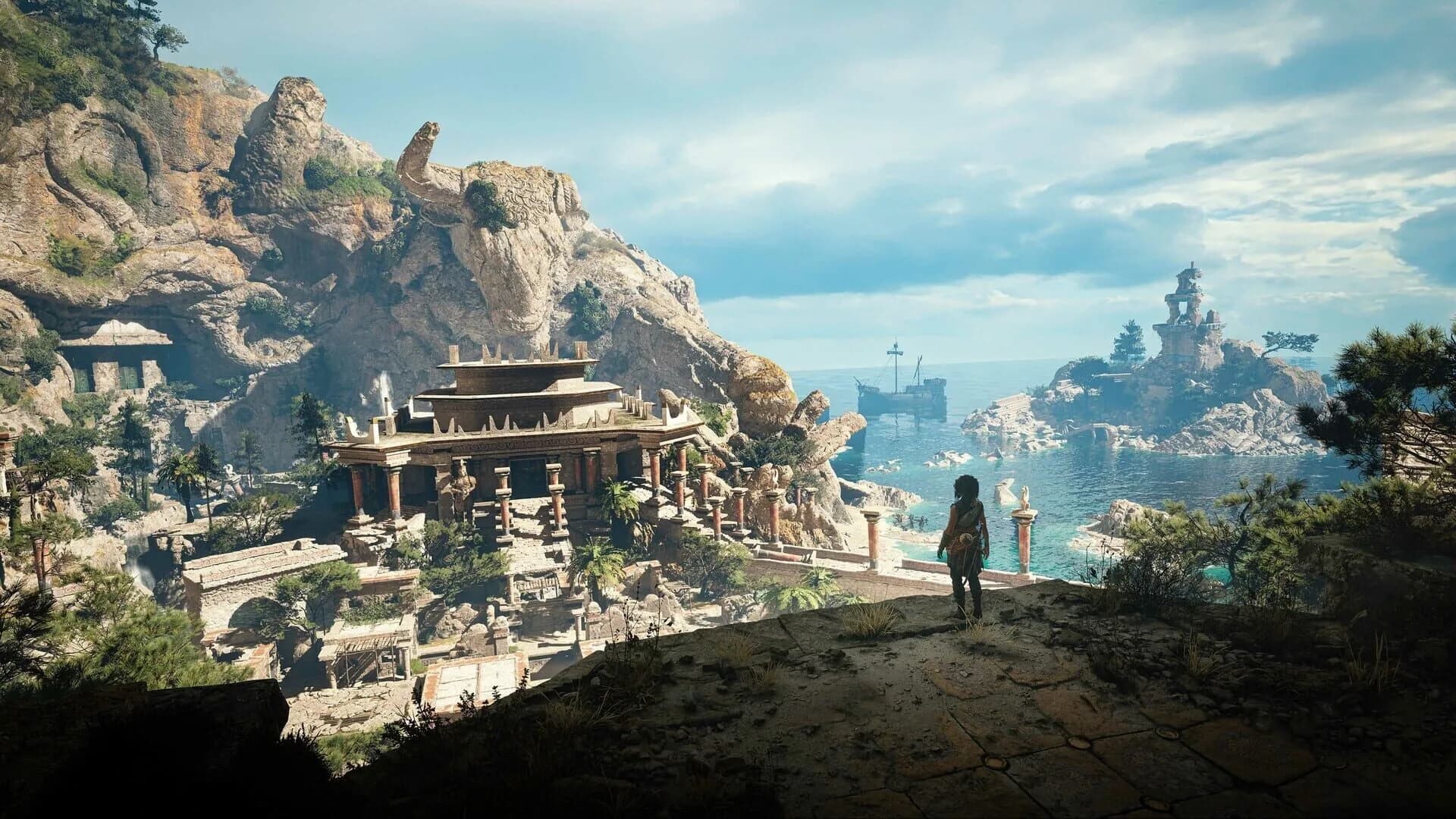
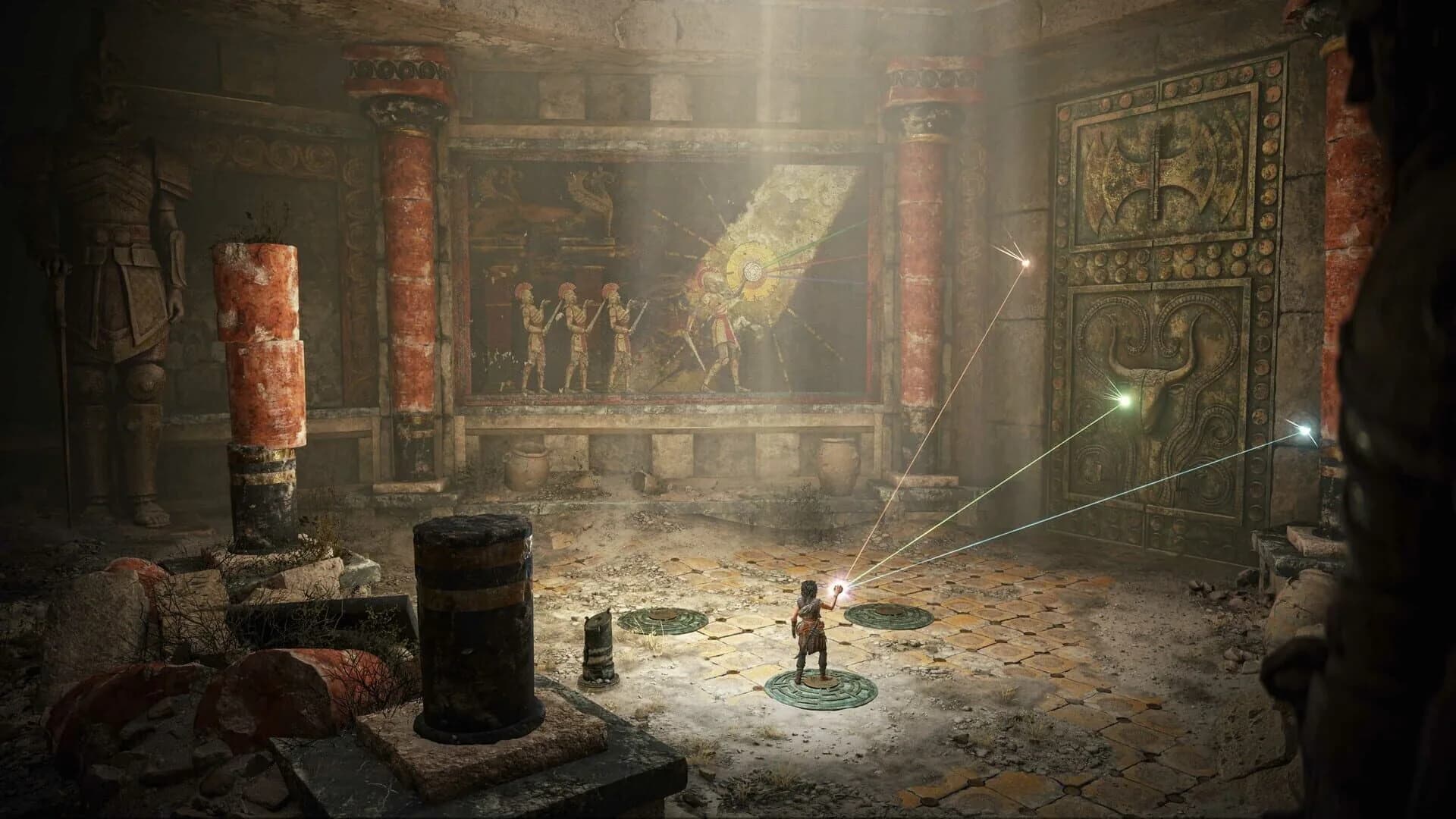
If combat is new, the puzzles remain a saga hallmark, and Resonance builds them around a central object: the Prism, created by Daedalus. It's no accident the game plays out on an island associated with the Minotaur, because the Prism serves precisely to solve ingenious labyrinth puzzles. This tool is at the heart of progression: understanding how it works and what it lets you manipulate in the environment will be essential to cross the island's many trapped passages.
The right approach to puzzles, in an Asobo game, lies in observation before action. Take the time to read the environment, identify what the Prism can affect, and think about the path before committing. The labyrinth puzzles reward patience and an overall view rather than haste, and it's better to observe a whole room than to rush into the first corridor. Keep in mind these phases often alternate with combat and survival: the Prism and reflection are your breather between two clashes, a welcome change of pace to approach with calm and method.
Combat doesn't erase everything from the saga's heritage, and Resonance keeps part of its old tension through its survival phases. A mysterious creature hunts you relentlessly, and against it, direct confrontation isn't always the solution: these sequences rest on stealth and strategic movement, a return to roots that recalls the vulnerability of the mainline entries. It's the perfect counterpoint to the new combat: where Sophia is a predator against the soldiers, she becomes prey again against this threat, and you have to know how to alternate between the two postures.
Surviving the creature demands unlearning the aggression the rest of the game encourages. Read its movements, exploit cover and the environment, and favor thoughtful movement over confrontation. Patience and observation are your best weapons in these phases, exactly as in the saga's classic stealth. Our advice: don't assume you can face everything just because Resonance bets on combat. Recognizing the moments to fight and those to hide is a skill in itself, and it's that reading of the situation that will separate the survivors from the reckless. The creature isn't just one more enemy, it's a reminder that Sophia remains mortal.
Resonance introduces a skill tree that, according to the first glimpses, has real room to develop, making it a pillar of your progression. As in any game of this type, the mistake would be to scatter your points at random: better to choose a coherent direction that fits your playstyle than to sprinkle everything without fully benefiting from any branch. Since combat is at the heart of the experience, your first investments should logically strengthen it.
Three main directions naturally emerge from the known mechanics. Offense, to make your strikes more devastating and shorten clashes. Defense and reactivity, to improve your parry and dodge, those pillars of demanding combat. And survival, to better handle the stealth phases and the situations where you're helpless. Our preparation advice: identify early the style that suits you, aggressive or cautious, and make your points converge in that direction before diversifying. A coherent character, cut out for your way of playing, will always be more effective than a jack-of-all-trades. Still, keep an eye on the survival skills, because even in a combat-focused game, knowing how to get out of a tight spot remains vital.
Is Resonance a stealth game like the previous ones?
No, that's the big change: Resonance trades stealth for combat, with a system of parries, dodges and strikes. Survival and stealth phases still remain against a creature that hunts you.
How do you approach the combat?
Focus first on the timing of parry and dodge before seeking to chain strikes. Combat rewards reading and precision, not button-mashing.
What is the Prism for?
The Prism, created by Daedalus, is used to solve the island's labyrinth puzzles. Observe the environment and what it lets you manipulate before acting.
How do you orient your skill tree?
Choose a coherent direction, offense, defense or survival, based on your style, and make your points converge in it before diversifying. Combat being central, strengthen it as a priority.
When does Resonance A Plague Tale Legacy release?
On 27 August 2026, on PC, PS5 and Xbox Series. This preparation guide is based on the mechanics confirmed before release.
Preparation guide based on the official information available before release.
Found something better? Come and improve this guide on our Discord.