Tears of Metal blends medieval hack-and-slash with roguelike progression, in an adventure where you rally your Scottish battalion to reclaim your island after the Dragon Stone Meteor unleashed invaders and strange powers. Mowing down hordes at the head of an army is gleeful, but without a good hero and a coherent build, you get overwhelmed fast. The game's quirk is that your weapons aren't replaced, they grow with you run after run. This guide gathers the best heroes, the benchmark build, the upgrade branches to favor and the tips for co-op. For our full opinion, head to the Tears of Metal review.
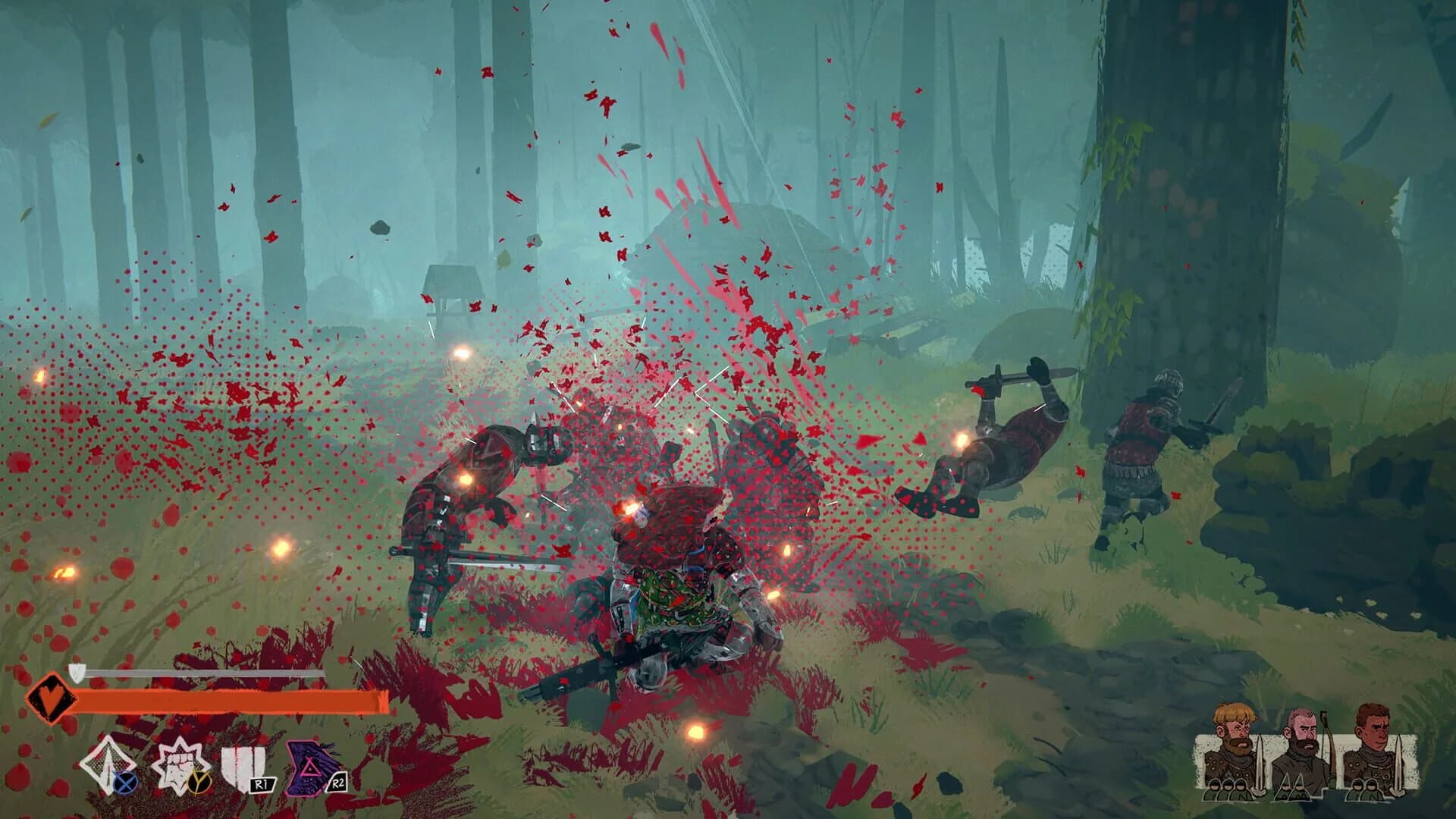
The early-access roster counts three playable commanders, each with their own play personality, plus an extra hero to unlock. William Wallace is the ideal pick for a first run: balanced, he offers a mix of survival and damage that forgives mistakes and lets you learn the mechanics without getting punished. Start with him to land your first win and grasp the game's fundamentals.
Once comfortable, explore Ruadh Stonecrusher, cut out to serve as a durable anchor, particularly useful in multiplayer where his resilience makes him a frontline pillar. Brienne Ironleg completes the starting trio with her own style. Finally, a fourth hero, the Vanguard Tracker, unlocks at the Act II rescue: look into him once you reach that step, because he opens new play options. Our advice: master Wallace first, then choose your main hero based on whether you favor survival, resilience for co-op or a more offensive style.
The benchmark build, widely considered the top choice, is the Vanguard Cleaver, a hybrid build. Its strength lies in its balance: it combines enough survival and area damage to clear massive enemy waves without requiring perfect dodges. That's exactly what you want from a roguelike hack-and-slash build, a horde-mowing machine that stays solid even when the screen fills and the pressure mounts. For a player seeking a safe bet, reliable from the start to the end of a run, it's the best entry point.
This build illustrates the game's fundamental principle: favor balance between survival and area damage rather than going all-in on either. An all-damage build makes you devastating but fragile, doomed at the first mistake; an all-survival build keeps you alive without ever breaking through the waves. The Vanguard Cleaver finds the middle ground, and it's that versatility that makes it the benchmark, especially for launch content. Once you've mastered that foundation, you can experiment with more specialized directions by hero and style.
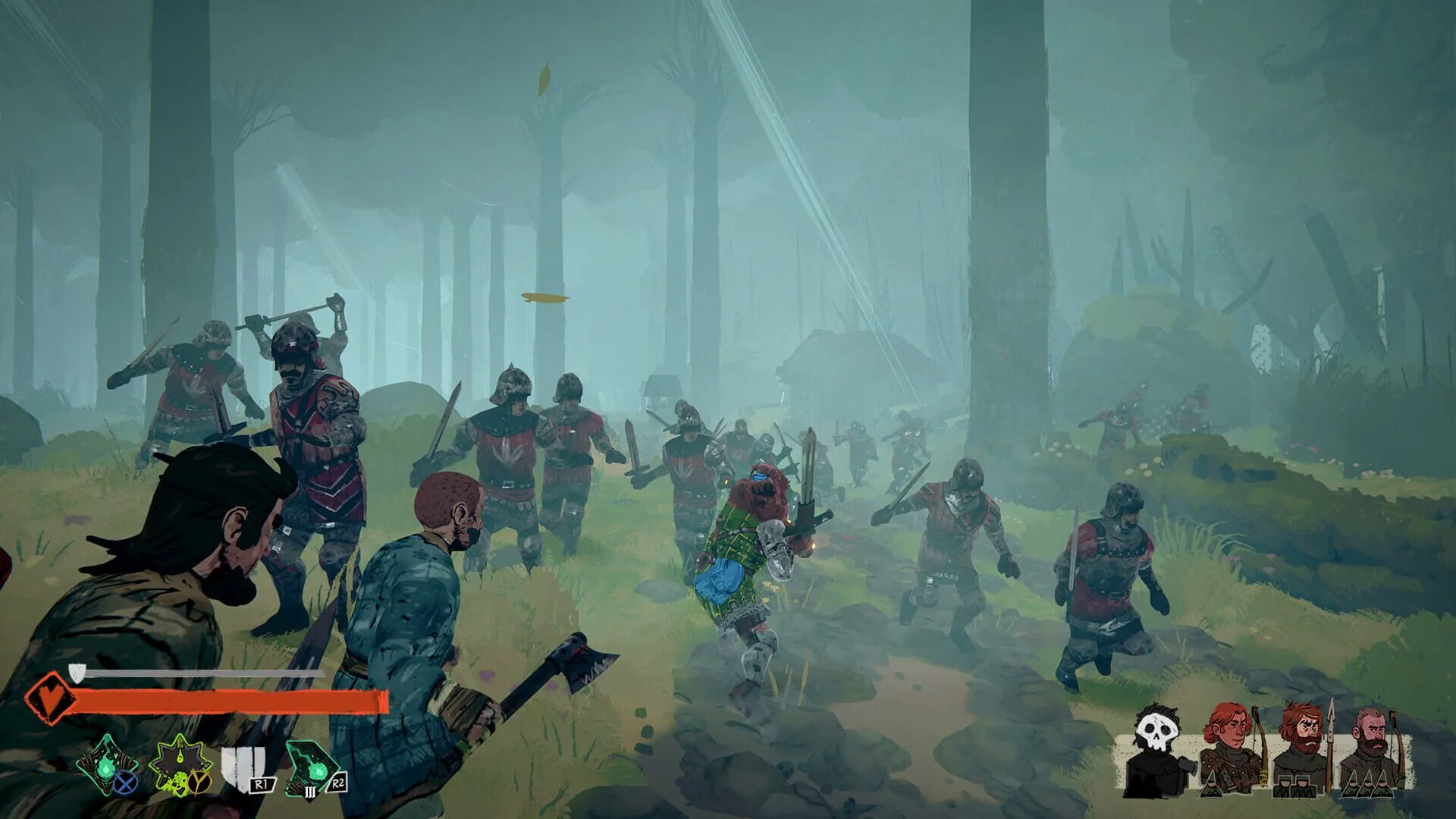
This is where Tears of Metal sets itself apart from classic action RPGs. Where stronger loot simply replaces the old elsewhere, here the game expects you to actively improve your equipment throughout every run: your weapons grow with your character, your settlement and your Emblem setup. The forge, the Smithy, is the heart of that progression, and it offers three major upgrade branches: physical damage, Dragon Stone elemental, and Emblem synergy.
For launch content, physical builds offer the most reliable route, and that's where to start. Invest first at the Smithy in base weapon damage, combo speed and armor-piercing tiers, before chasing the elemental branches. That solid physical base will carry you risk-free through the first weeks of play, where the elemental or synergy builds, harder to set up, demand a better understanding of the game. Don't scatter your upgrade points: concentrate them on a coherent branch, level your primary weapon, and only explore elemental or Emblems once that physical foundation is well established.
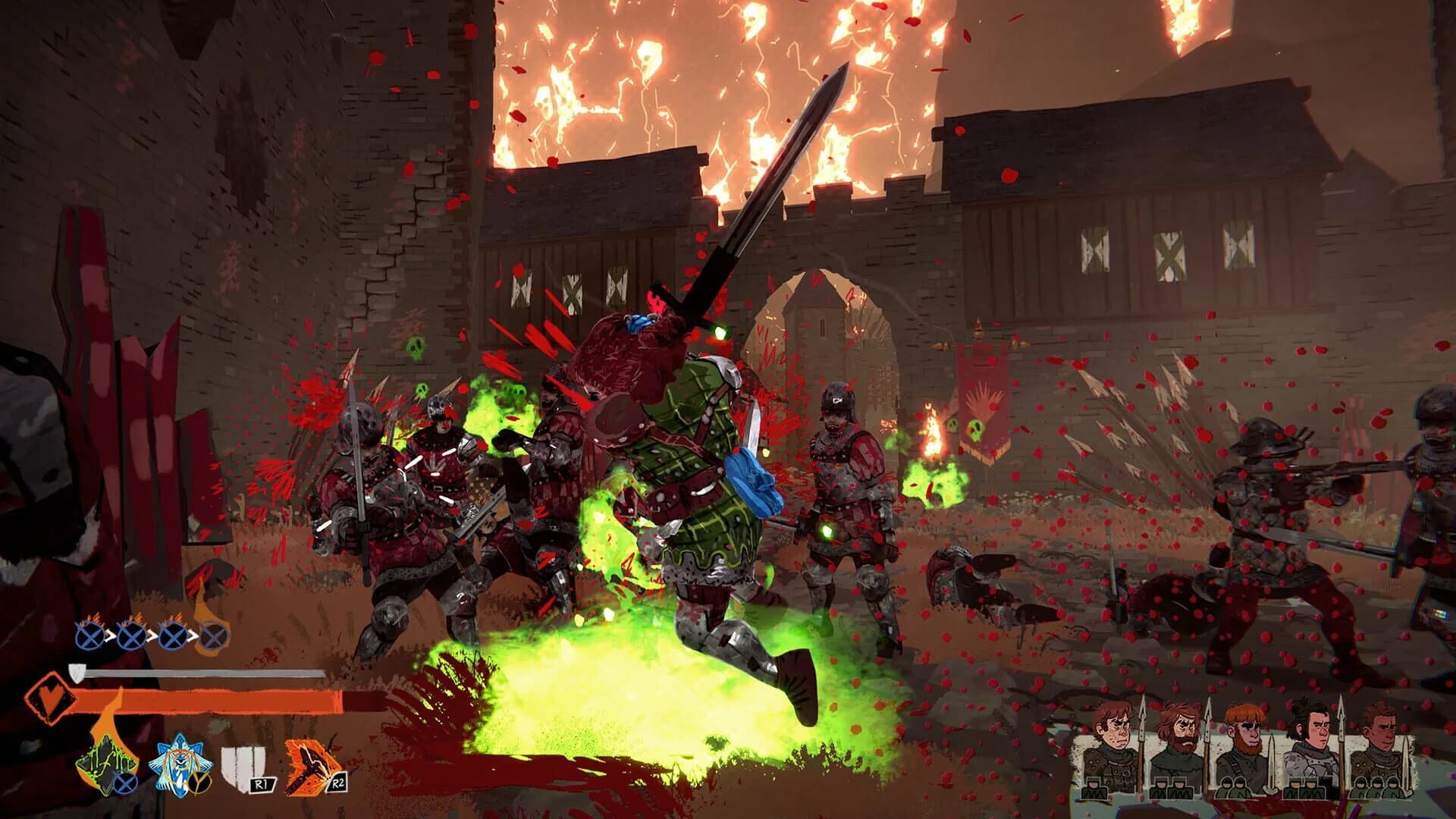
Tears of Metal takes on a whole other dimension in co-op, where online multiplayer welcomes up to four players, each controlling their own hero and their slice of battalion on huge battlefields. But four poorly coordinated heroes are no better than one overwhelmed. The key is role distribution: coordinate your hero picks so one handles frontline control while another focuses on burst damage or support.
Concretely, a durable Ruadh Stonecrusher as a frontline anchor, tanking and pinning the hordes, frees his teammates to unleash their damage safely. Think of your team as a genuine army with its specialties, not as four loners each charging off on their own. That complementarity, where each hero covers the others' weaknesses, turns co-op into a war machine able to take on the toughest waves. Communicate about who holds the line and who breaks through, adapt your builds to your role, and you'll hold battles that would sweep away a disorganized bunch.
Which hero should you pick to start?
William Wallace, balanced and ideal for a first run, before exploring Ruadh Stonecrusher for his resilience in co-op or Brienne Ironleg for another style.
What is the best build?
The Vanguard Cleaver, a hybrid build that balances survival and area damage, considered the best safe bet for clearing waves.
Which upgrades should you favor?
Physical builds at launch: first level base damage, combo speed and armor-piercing at the Smithy, before the elemental or Emblem branches.
Are weapons replaced?
No, unlike classic action RPGs, your weapons grow with you run after run. You have to actively upgrade them at the forge.
How do you play in co-op?
Split roles across up to four players, a durable hero holds the frontline while the others deal damage, adapting each build to its role.
Guide written based on the PC version, in early access.
We help each other out on the InsertCoins Discord, so do come and ask.