7
Test
The Guild 1 Remake: the game that taught me to optimise, and ruined every game since
A dynasty, a workshop, a town council to corrupt. Twenty-five years on, Europa 1400 returns and its poison still works.
Alexandrosse
11 min
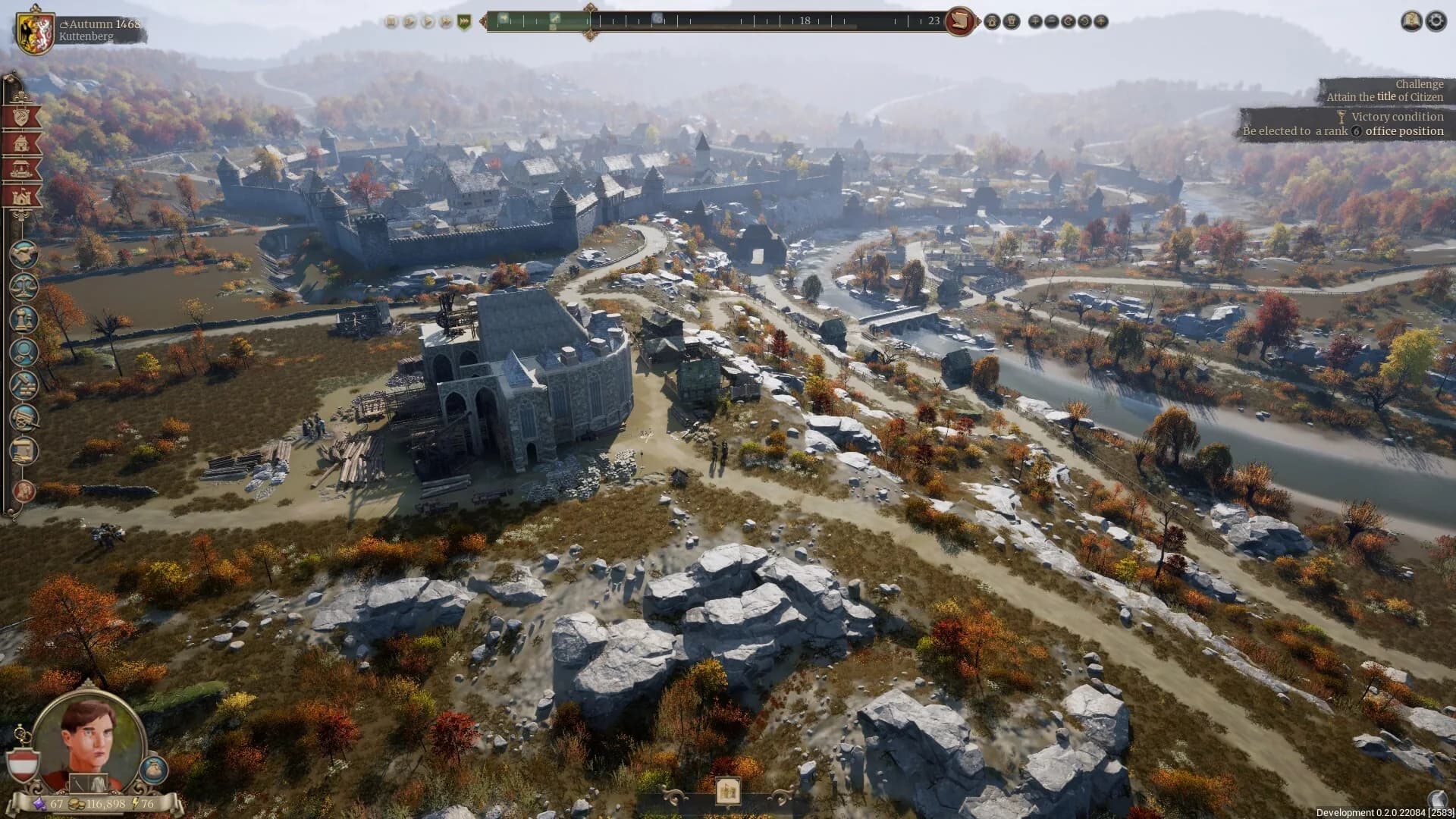
Where to start, how to gain influence, when to marry, and why your first dynasty is going to die out stupidly.
Alexandrosse
The Guild has never explained its rules. That has been a series tradition since 2002, and the remake goes back to the roots, so it is unlikely to change.
This guide covers what the game leaves you to discover the hard way. Our review is here if you are still deciding.
One fundamental mistake sinks most first attempts: believing you are playing a character.
You are playing a dynasty. Your character will age and die. Everything you build only has value if somebody picks it up behind you.
That changes your priorities completely. A highly profitable business with no heir is a business that disappears. A modest commercial empire with three trained children is an empire that grows for two centuries.
Remember this line for the whole campaign: your real resource is the time you have left.
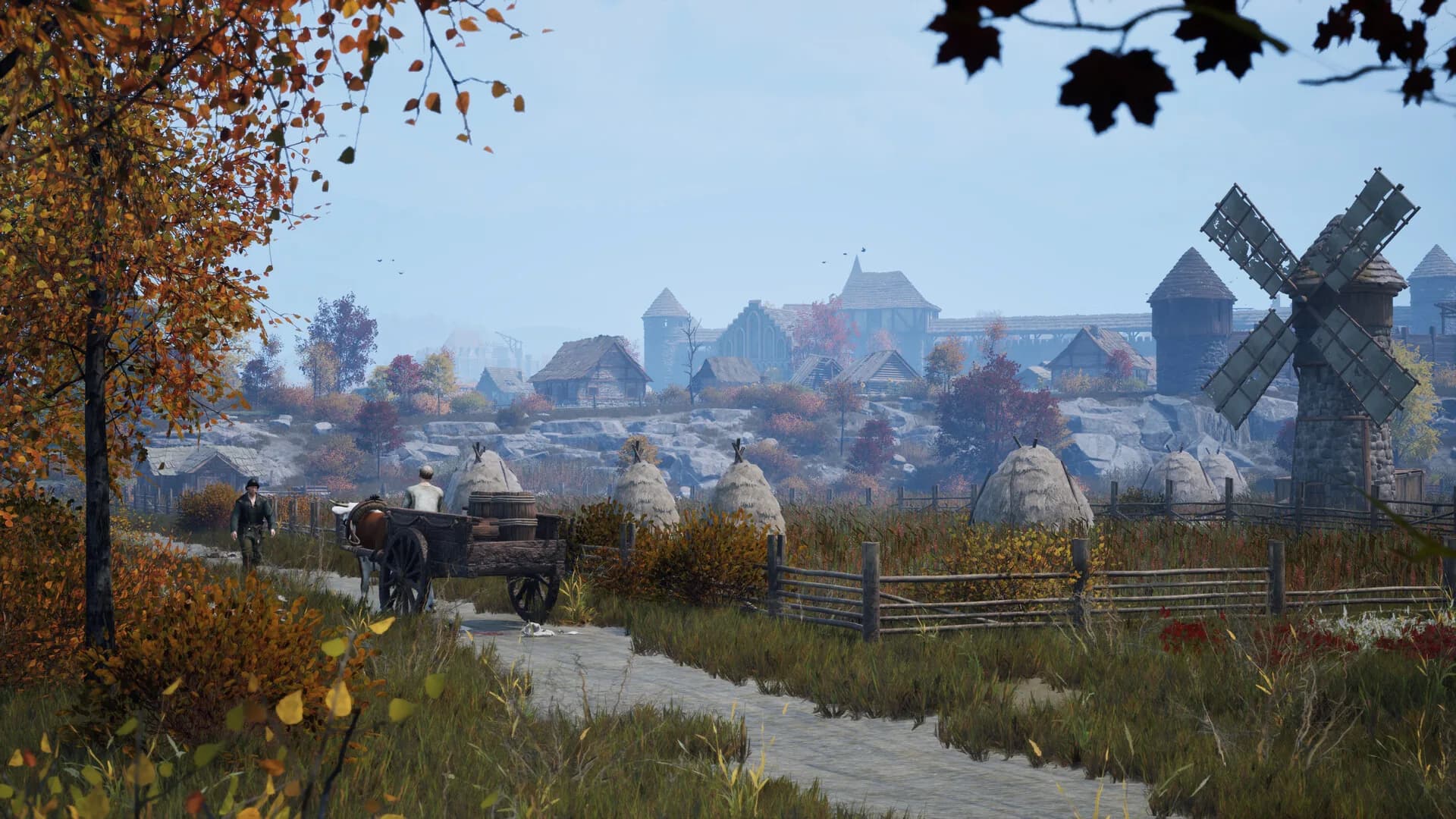
The game offers a variety of professions, from blacksmith to alchemist by way of tailor, each offering a different experience.
The advice I would give for a first campaign is counter-intuitive: do not choose the most profitable trade, choose the one that is easiest to understand.
A short production chain, where you immediately see what goes in and what comes out, will teach you the game's rules. A multi-stage production will cost you three hours trying to work out why your workshop produces nothing.
You will have plenty of time to build a complex factory in your second generation, once you know how the town works.
Advertisement
Mistake one: neglecting politics. That is the main trap, and the game says it openly: trade alone gives you no voice in the town hall. You can own the best workshop in the city and watch a law pass that ruins it. Politics is not side content, it is the protection of your business.
Mistake two: marrying too late. Your character ages in real time. Waiting until you are rich to start a family is the best way to die wealthy with nobody to inherit. Marry early, even modestly.
Mistake three: betting everything on one heir. People die in this game, including the young, including because of your rivals. A single successor is a dynasty with one breaking point.
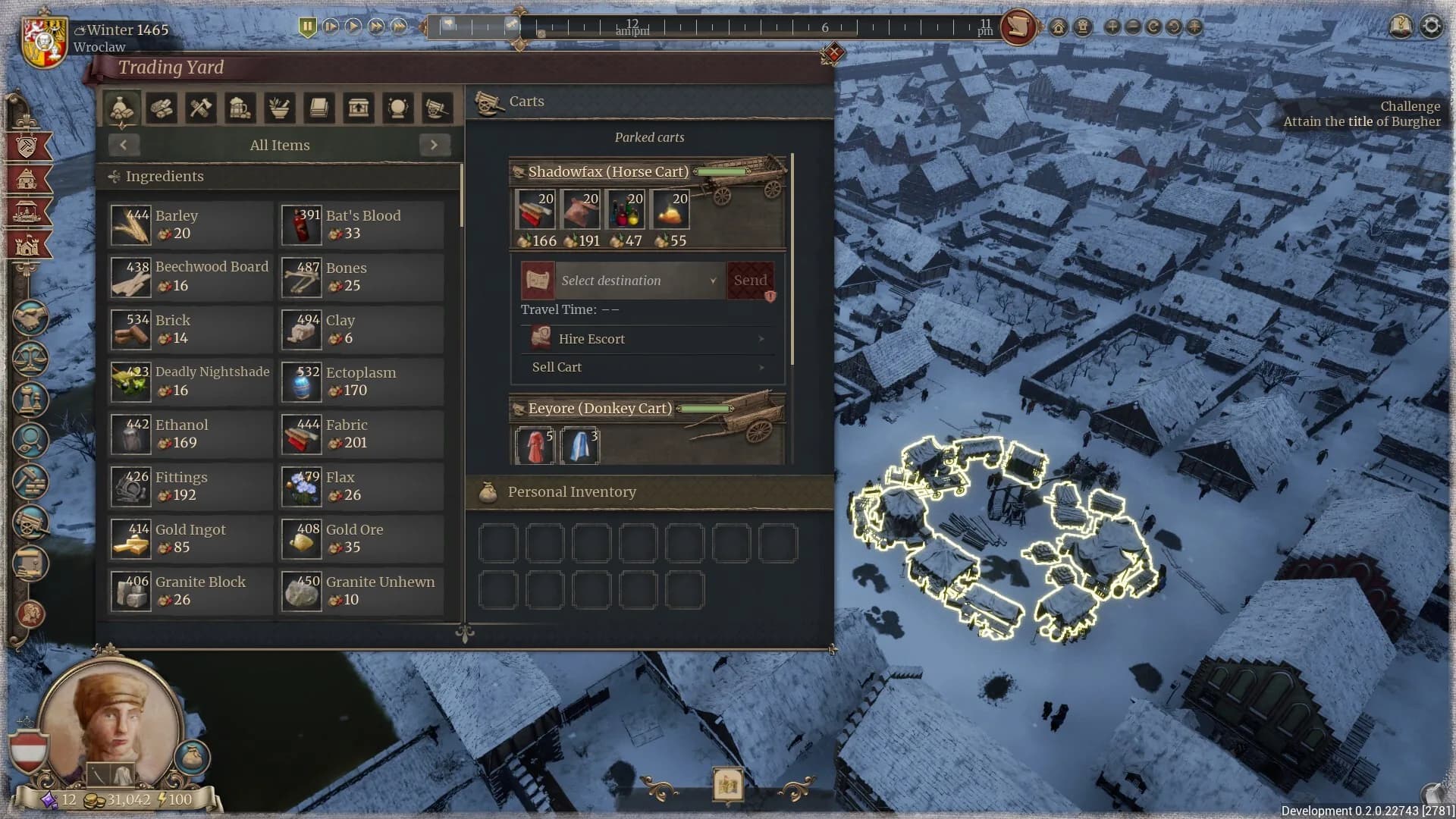
The game offers three levers, and they do not cost the same.
Popularity is the slow, safe road. You get known, you do favours, you tend your image. It takes time and it does not turn against you.
Bribes buy time. It is the most effective lever in the short term and the most dangerous for your early finances: paying for an office your business cannot sustain leaves you with a title and an empty till.
Blackmail is the fastest and riskiest. It assumes you have leverage, and therefore that you took an interest in other people's affairs before you needed to.
My advice for a first dynasty: popularity first, corruption second, blackmail only once you can absorb the consequences.
And aim for offices that protect your business rather than the most prestigious ones. A title that lets you write the rule that suits you beats a title that impresses.
If you choose to earn badly, the game gives you the means: waylay carts, scout buildings for valuables, pick pockets, kidnap people for ransom.
Three principles.
Never steal near home. A respectable merchant whose competitors are systematically robbed on the same street eventually attracts the authorities' interest.
Keep an honest front. Crime funds, legitimate trade protects. A dynasty with only dubious income is a fragile dynasty in front of a court.
And do not neglect politics regardless. It is even more true on this road: a well-placed office is the best insurance against an investigation.
Here is the order I would recommend, in four phases.
Phase one, the workshop. A simple trade, production running, stable income. Do nothing else until that is secured.
Phase two, the family. Marriage, children, and above all their training. Your children are your future employees and your future players.
Phase three, politics. A first official position, and the protections that come with it.
Phase four, expansion. A second workshop, rivals to frustrate, and whatever else you want.
Most players do this in reverse order, and that is why their first dynasty dies out.
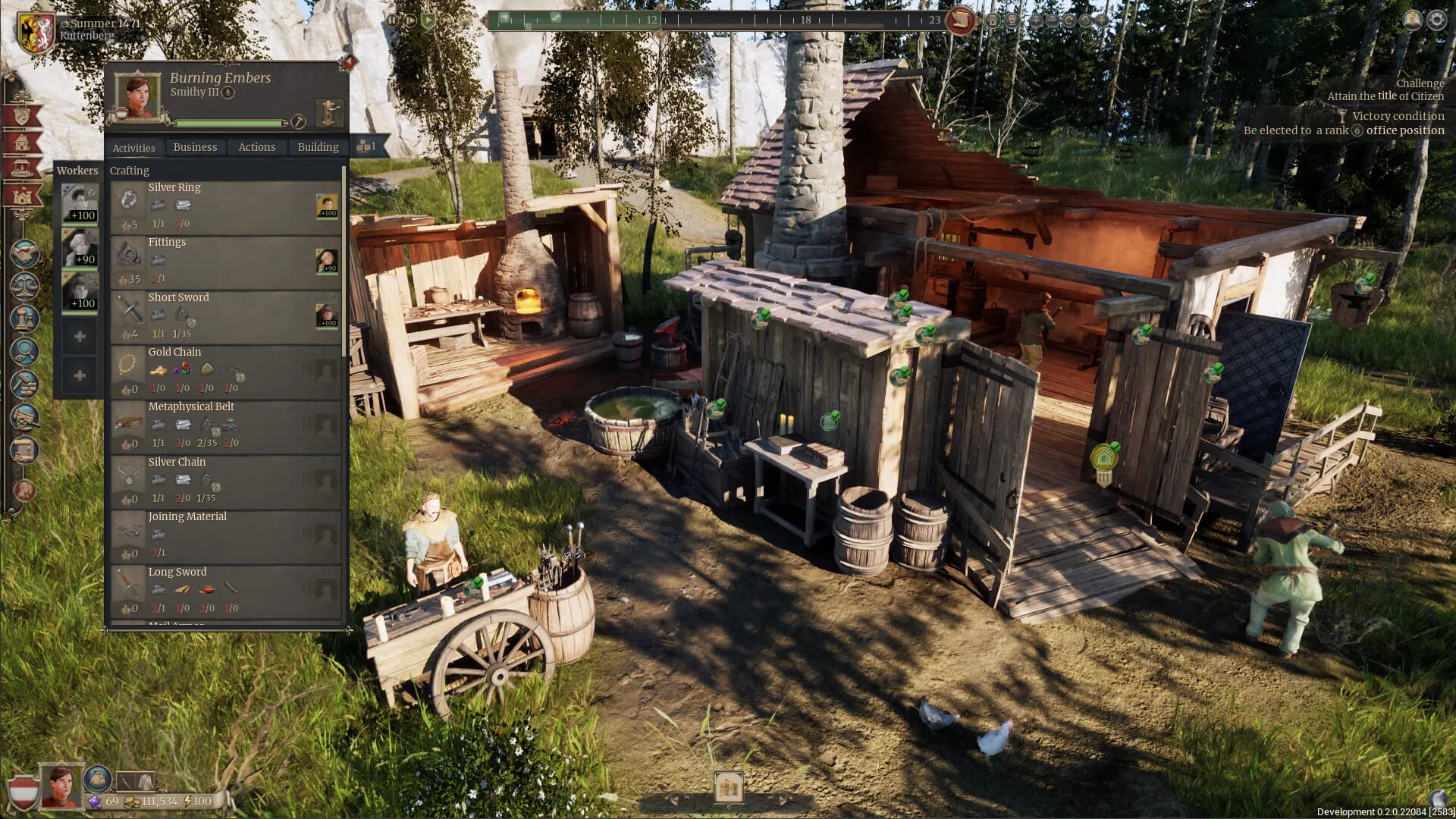
The game launches in early access, with no reviews. A few sensible habits.
Save often and across several slots. The game allows free saving, use it, particularly before a political manoeuvre or a criminal operation.
Set the difficulty to match your patience. It is adjustable, and there is no shame in learning the rules of a dynasty simulation on a forgiving setting.
And accept losing your first campaign. That is the nature of the series: you understand The Guild by failing once properly, not by reading a guide. This one included.
How many generations did your dynasty last? Family trees are compared on the InsertCoins Discord.
More on The Guild 1 Remake: Europa 1410
All about The Guild 1 Remake: Europa 1410Community
Your rating
Advertisement
Loading comments...
You might also like
A dynasty, a workshop, a town council to corrupt. Twenty-five years on, Europa 1400 returns and its poison still works.
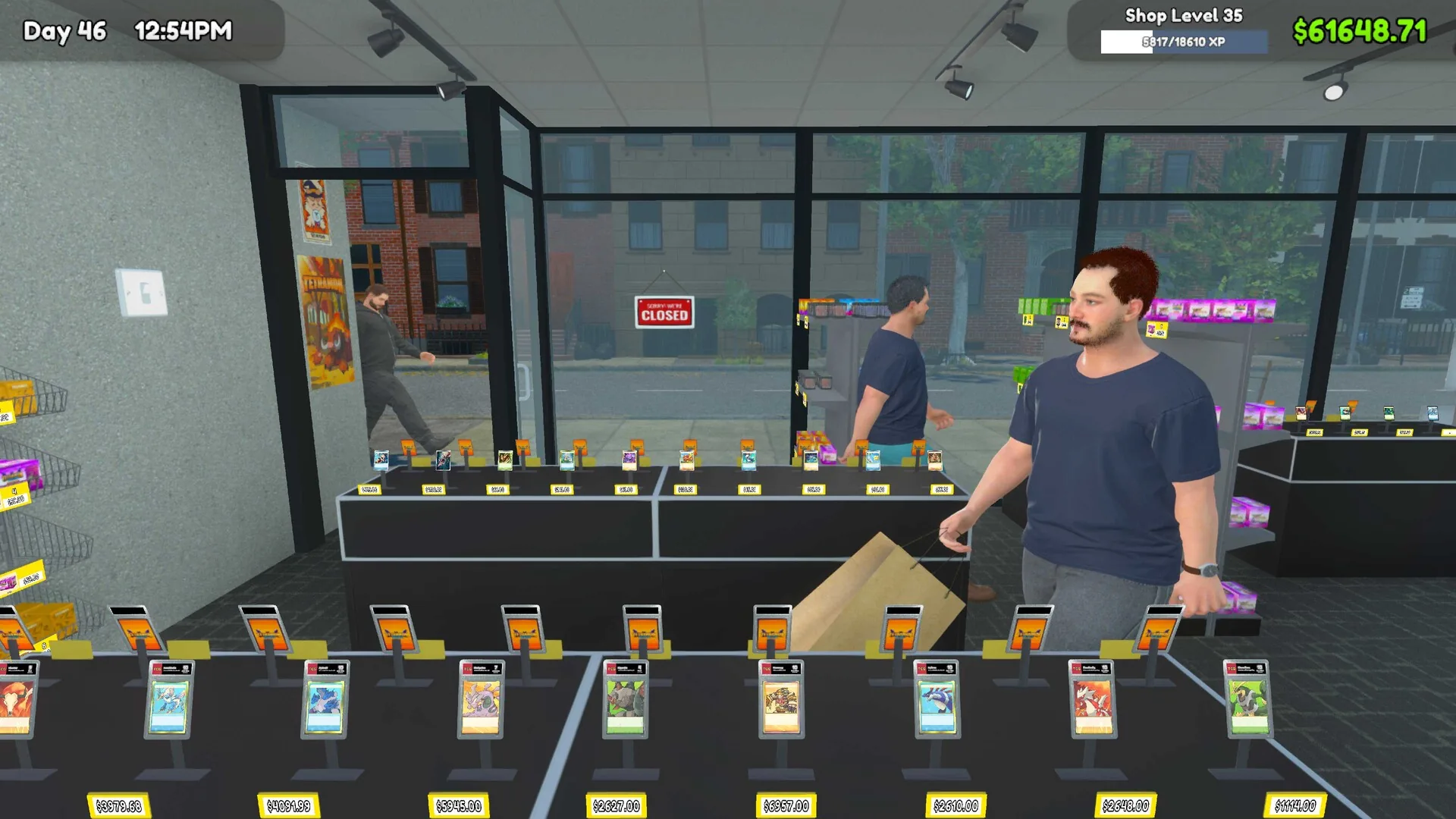
How to set prices, what to order, why your customers leave, and the discipline you need in front of a booster box.
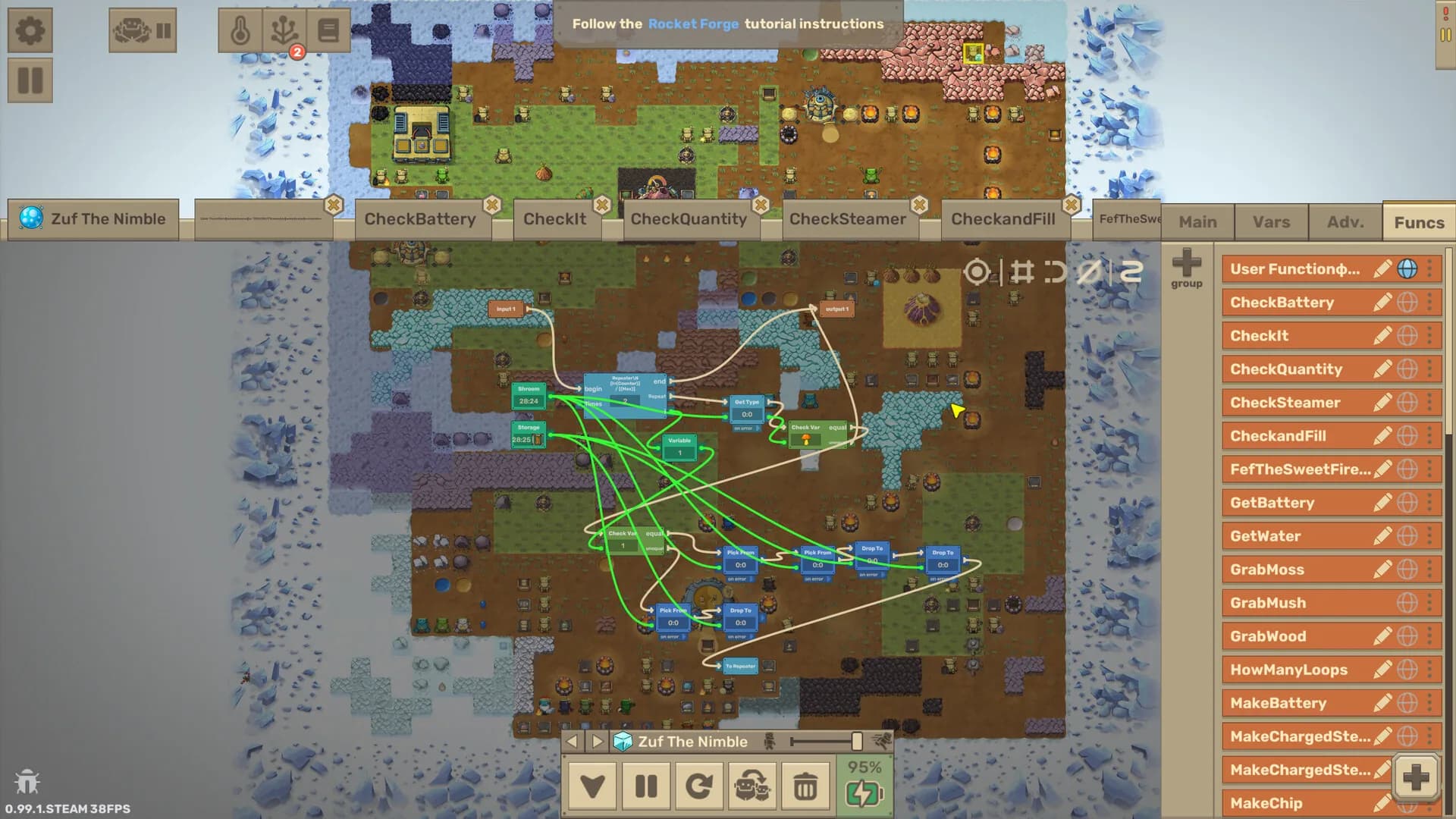
Where to start, how to think about a reusable routine, why your robot stops, and how to automate heat before anything else.

What to bring, where to find Bloodgold, how to open the dungeons, and the item-stand warning you should not ignore.