Let us be honest: with every new roguelike deckbuilder that lands, we sigh a little. The genre has become so crowded since Slay the Spire that the interchangeable clones are beyond counting. So does Elsewar deserve a look? The answer is yes, because it has an idea to defend: making the attrition of war, the erosion of its army, the heart of its strategy. And that idea is enough to set it apart from the mass.
The context
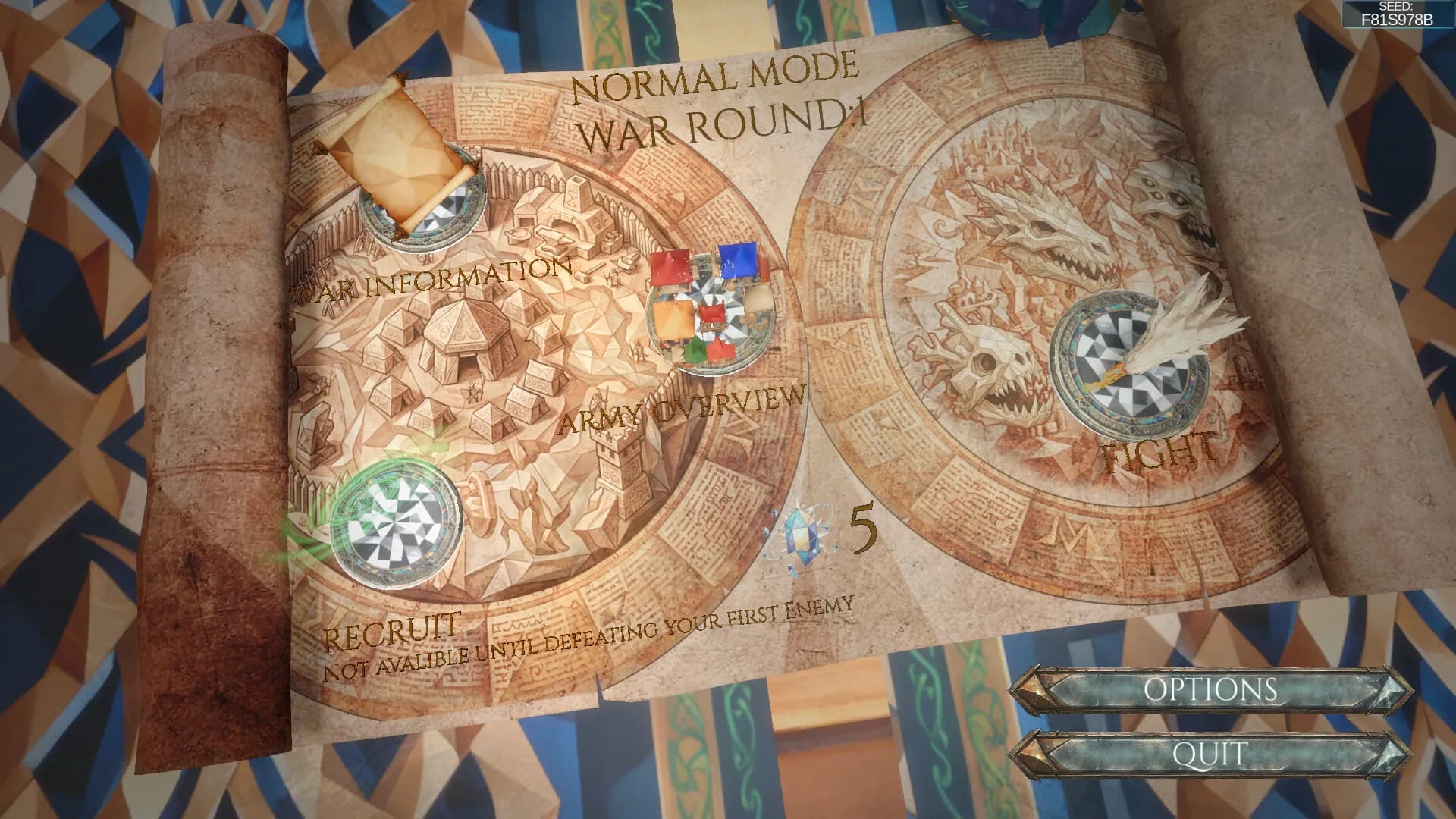
Elsewar is developed and published by Sannatorium Studios, available on PC via Steam in Early Access since 30 July 2026. It is a fantasy roguelike deckbuilder whose premise rests on two linked ideas: creating powerful synergies, and managing the attrition caused by fighting monsters with your army of varied units. The studio already announces a roadmap, with a new game mode, persistent progression features, controller support and fixes, with December 2026 as the horizon. Suffice to say the game is still under construction, but its foundations are solid.
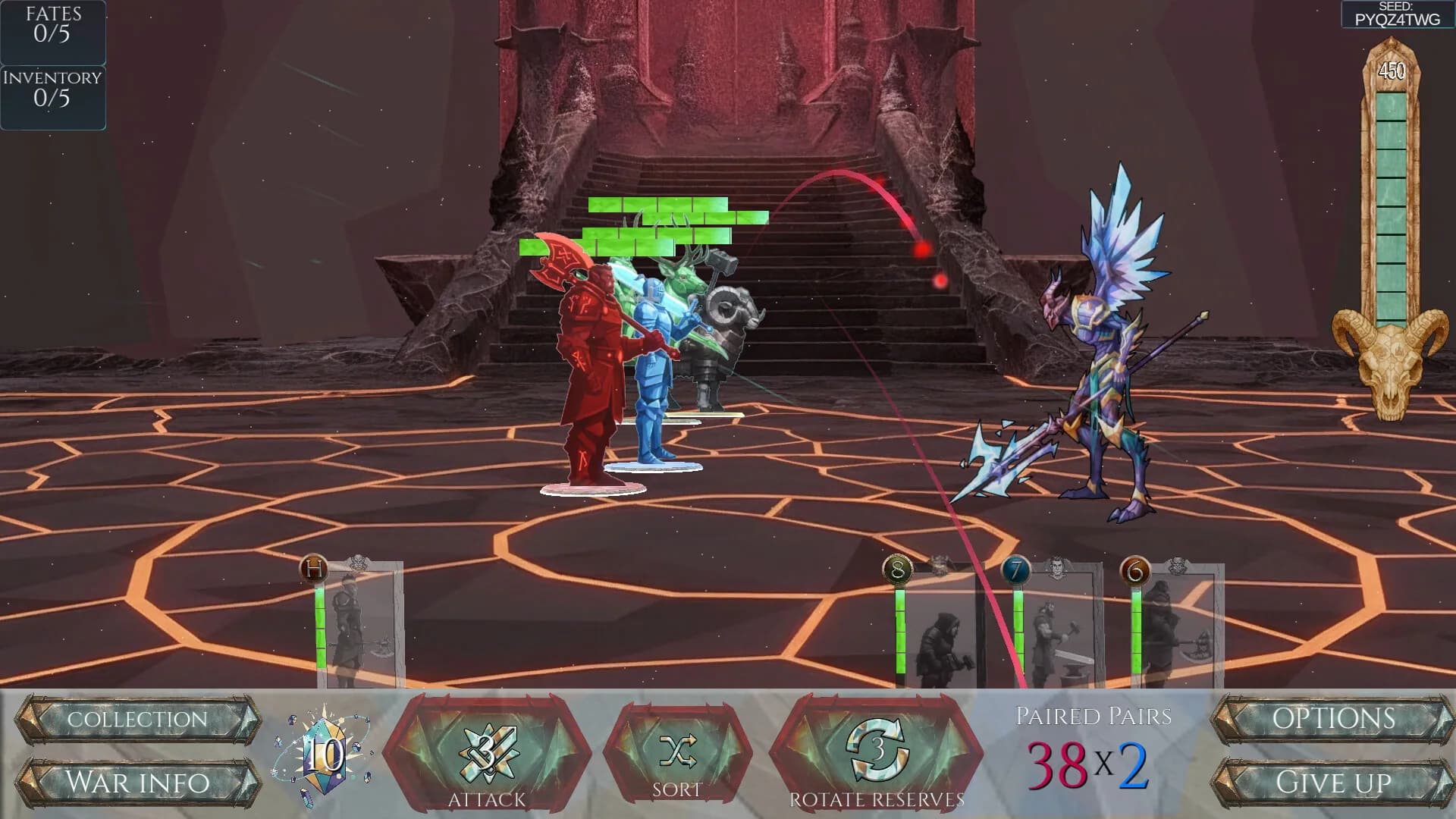
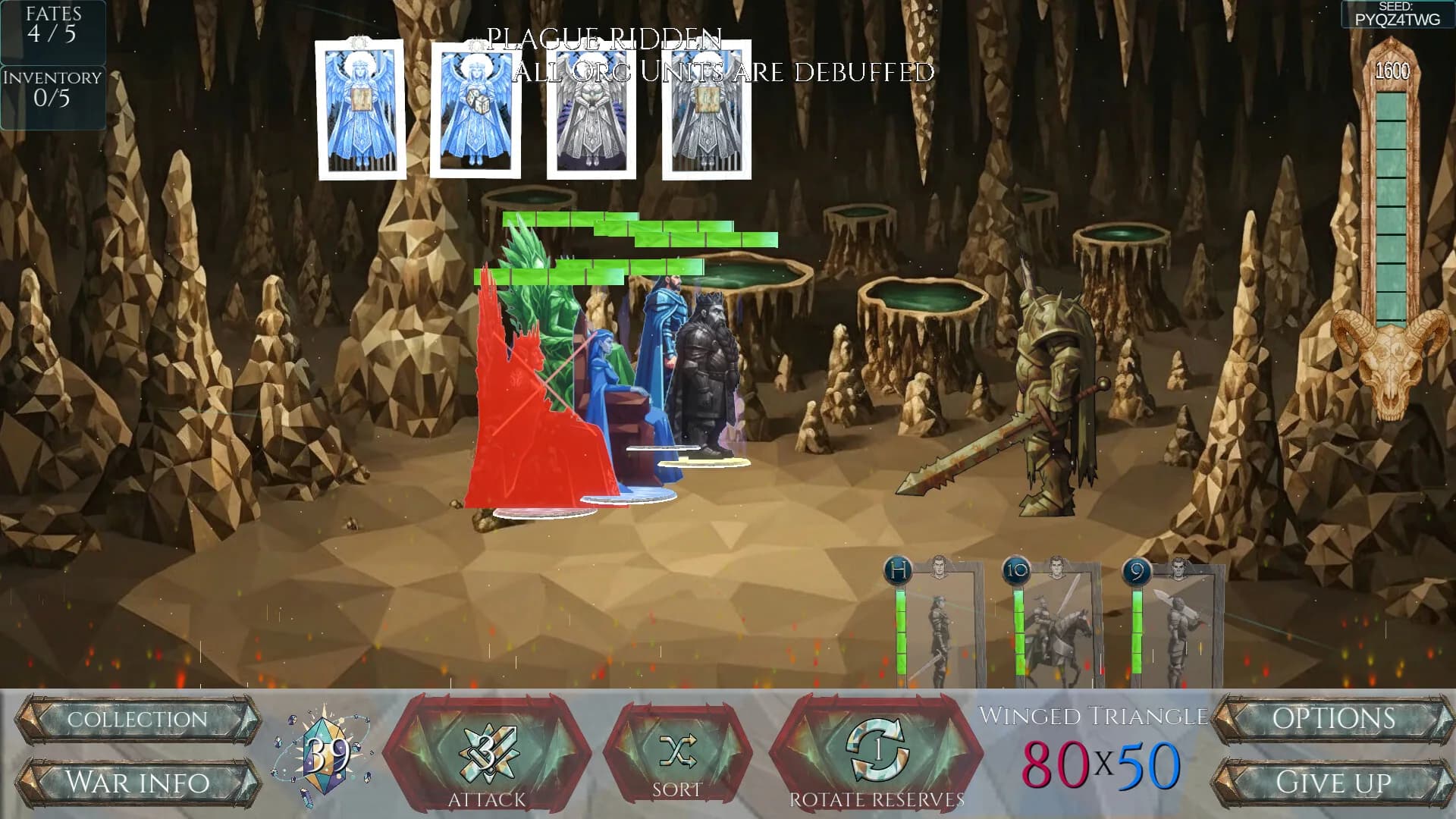
The heart of the game is building synergies in service of attrition management. Where many deckbuilders settle for stacking effects that combine, Elsewar adds an attrition dimension: your army of varied units suffers the wear of combat, and all the strategy comes down to creating powerful synergies while managing that permanent erosion of your forces. That tension between offensive construction and preserving your army gives the game its own identity, where every decision must weigh the immediate gain against the long-term cost. It is that extra layer that answers the question "another deckbuilder?" with a firm "yes, but different".
The variety of units and the richness of synergies feed the replayability expected of the genre. You experiment with combinations, look for the pairings that turn an addition of effects into a devastating cascade, all while dealing with the attrition constraint that stops you charging in mindlessly. That dual logic, offensive and managerial, demands deeper thought than in many rivals, and rewards players who know how to anticipate the wear of their troops as much as maximise their synergies. The loop is gripping and pushes you to restart to refine your strategy.
You must nonetheless keep in mind that the game is in Early Access, with all that implies. The content, promising, does not yet have the density or polish of the genre's established references, and the announced roadmap makes clear that whole parts, like a new mode or persistent progression, are still to come. Here you invest in a promise as much as a game, and you should buy knowingly, betting on the studio's support to realise the formula's full potential.
The other reservation, inherent to the genre, is balance. As in any deckbuilder, some synergies and units prove clearly stronger than others, which can flatten the diversity of truly viable strategies. The attrition mechanic, while it brings freshness, will also need tuning to find its perfect balance between stimulating constraint and punishing frustration. These are classic Early Access works in progress, not fatal flaws, but they bound the current experience.
Technically, Elsewar bets on a careful, legible fantasy art direction, an essential condition for a deckbuilder where visual information drives strategy. The display of synergies, your army's state and attrition stays clear, which is vital in a game where understanding the interaction of your effects is part of the pleasure. Legibility is there, and the fantasy atmosphere carries the whole coherently.
The technical reservations are those of an Early Access. A few comfort features, like controller support, are still announced for later, and some systems will benefit from being deepened and balanced over the updates. But the whole runs correctly and effectively serves its strategic loop, without betraying its ambition through major technical flaws. You sense a studio that prioritised the solidity of its central idea before the polish, and that is the right order.
Elsewar answers genre fatigue with a clever idea: making the attrition of its army the heart of its strategy, on top of building synergies. That tension between offence and preservation gives it its own identity that sets it apart from the mass of interchangeable deckbuilders, and its variety of units ensures real replayability. For anyone looking for a roguelike deckbuilder with a genuine extra layer of strategic soul, there is a fine promise here.
Its limits are those of an Early Access: content still to be densified, a balance to fine-tune and features to come, all dependent on the studio's support. But in its register, Elsewar proves you can still bring something new to a saturated genre, provided you have an idea to defend. So, another deckbuilder? Yes, but a good one, to watch closely as it fills out. The formula is there, it just needs time to mature.
A clever roguelike deckbuilder that renews the formula through attrition management, promising despite its Early Access status.
Score: 7/10
Reviewed on the PC Early Access version.
Played it too? Tell us how it went on the InsertCoins Discord.