The medieval tavern has become a genre in its own right, so much have the simulators offering us to pour tankards and serve adventurers multiplied. Medieval Tavern Simulator therefore arrives on already well-occupied ground, with the heavy task of standing out from a numerous and sometimes excellent competition. Its bet is atmosphere: making its tavern a living place, animated by musicians and dancers, rather than a mere counter to optimize. The intention is charming, the execution honest, but is it enough to rise above the pack? Not entirely, and we have to be frank.
The context
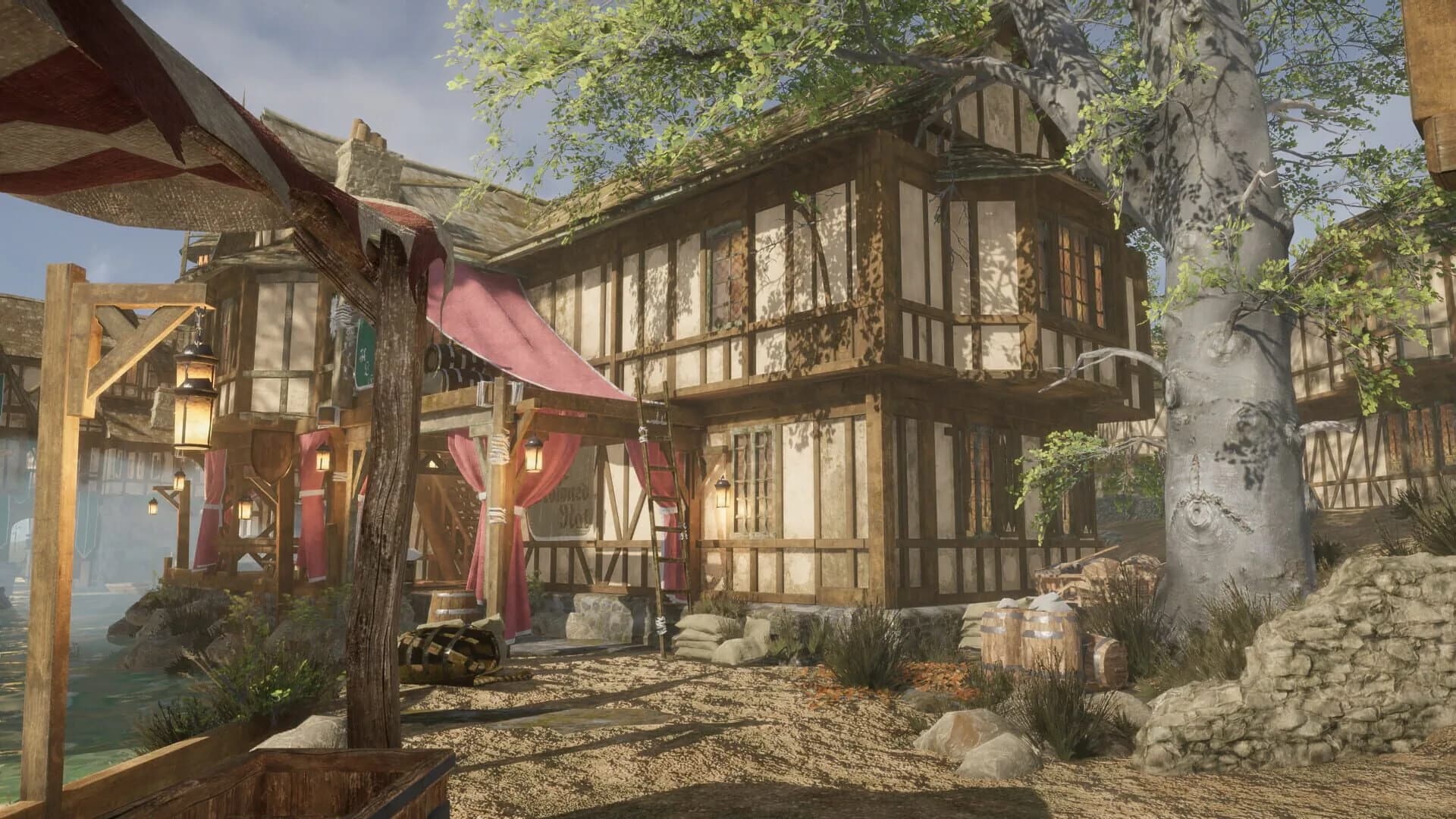
Medieval Tavern Simulator is a management and simulation game available on PC in early access. You open and run your own medieval tavern: welcoming customers, taking and serving orders, and bringing the establishment to life. Its stated particularity lies in its atmosphere systems, with musicians, dancing customers and social interactions that aim to give the room a soul and warmth. The game offers the expected core mechanics of the genre in this early-access version, and plans to flesh out its proposition over the updates. It's an honest base, to judge as such, with the reservations a still-in-development title implies.
The heart of Medieval Tavern Simulator is its classic management loop, but tinged with a genuine search for atmosphere. You welcome customers, take their orders, serve them, ring up sales, and gradually grow your tavern in a familiar, satisfying cycle for the genre fan. Where the game tries to stand out is in its will to make the room a living place rather than a mere profit machine. The musicians playing, the customers dancing, the social interactions animating the establishment all contribute to a warmth of atmosphere that not every tavern simulator necessarily seeks to cultivate.
It's that atmosphere stance that forms its best argument, and as long as you're sensitive to that type of pleasure, that of watching your tavern fill with life and music, there's an endearing proposition here. You don't just play at optimizing customer flows, you play at creating a place you'd want to sit down in. That warm dimension, more contemplative than purely managerial, gives the game a small personality and a charm that make it pleasant to roam, in the cozy spirit that suits the medieval setting so well. It's a simulator that wants you to feel good in it, more than it seeks to challenge you.
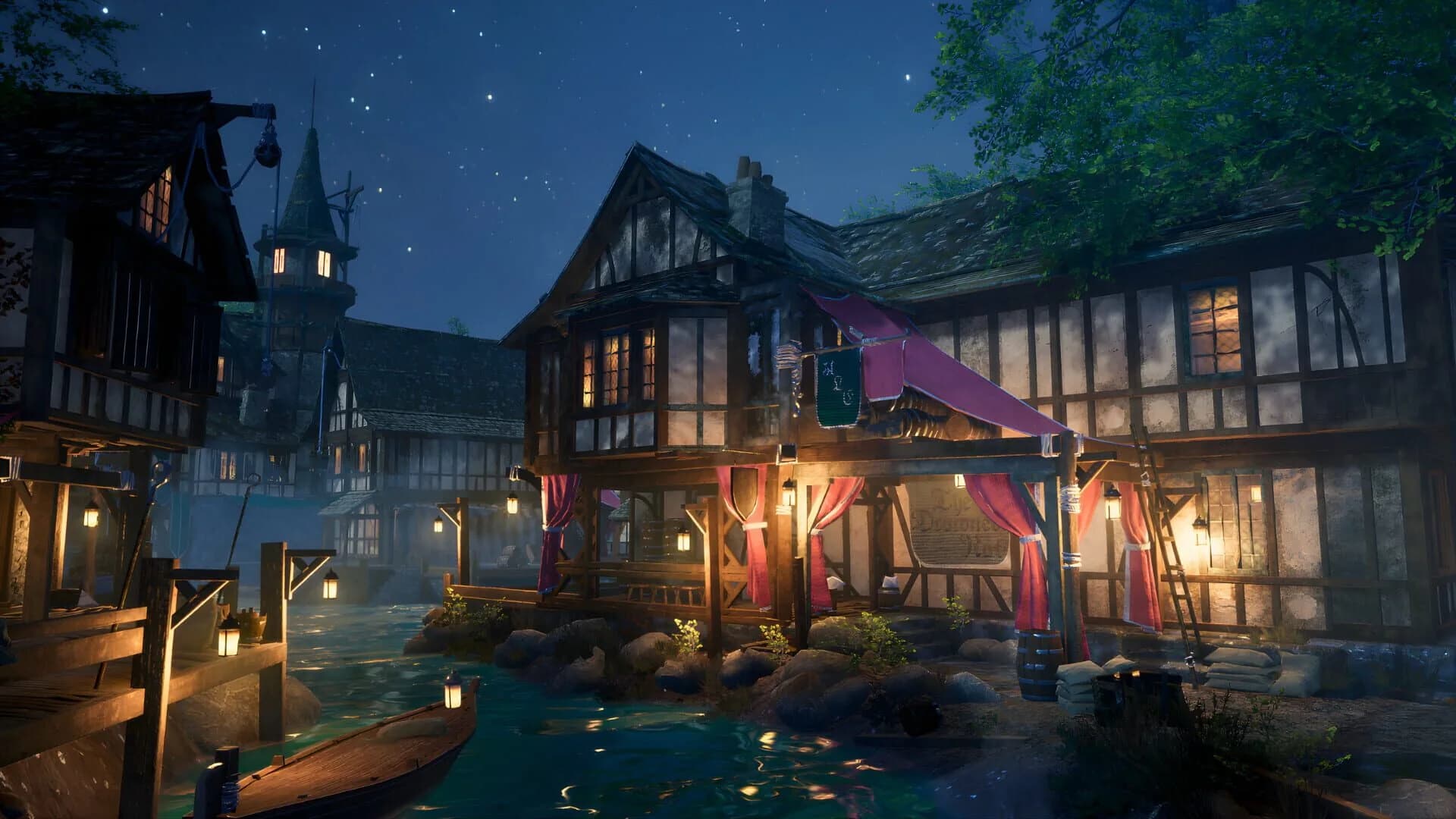
You have to be honest about the main obstacle: the competition. The medieval tavern is a saturated niche, where well-established and often praised titles already occupy the ground. Medieval Tavern Simulator has to measure up to this lavish offer, and its management loop, decent as it is, doesn't reinvent the formula enough to impose itself obviously. Its atmosphere asset is real, but it isn't always enough to clearly distinguish it from rivals that sometimes offer more depth or content. In such a crowded genre, being honest isn't enough, you have to be remarkable, and the game doesn't quite manage that yet.
The other reservation is its early-access status. The game offers its core mechanics, but a management simulator is judged on the richness and depth of its systems over time, and it's still too early to say whether Medieval Tavern Simulator will manage to flesh out its proposition enough to rival the best. As often in the genre, the risk is also that of repetition and a lack of content once the tavern is developed, a flaw only future updates can fill. It's a title to approach betting on its evolution, supporting a project in the making rather than expecting a polished, must-have simulator from the start.
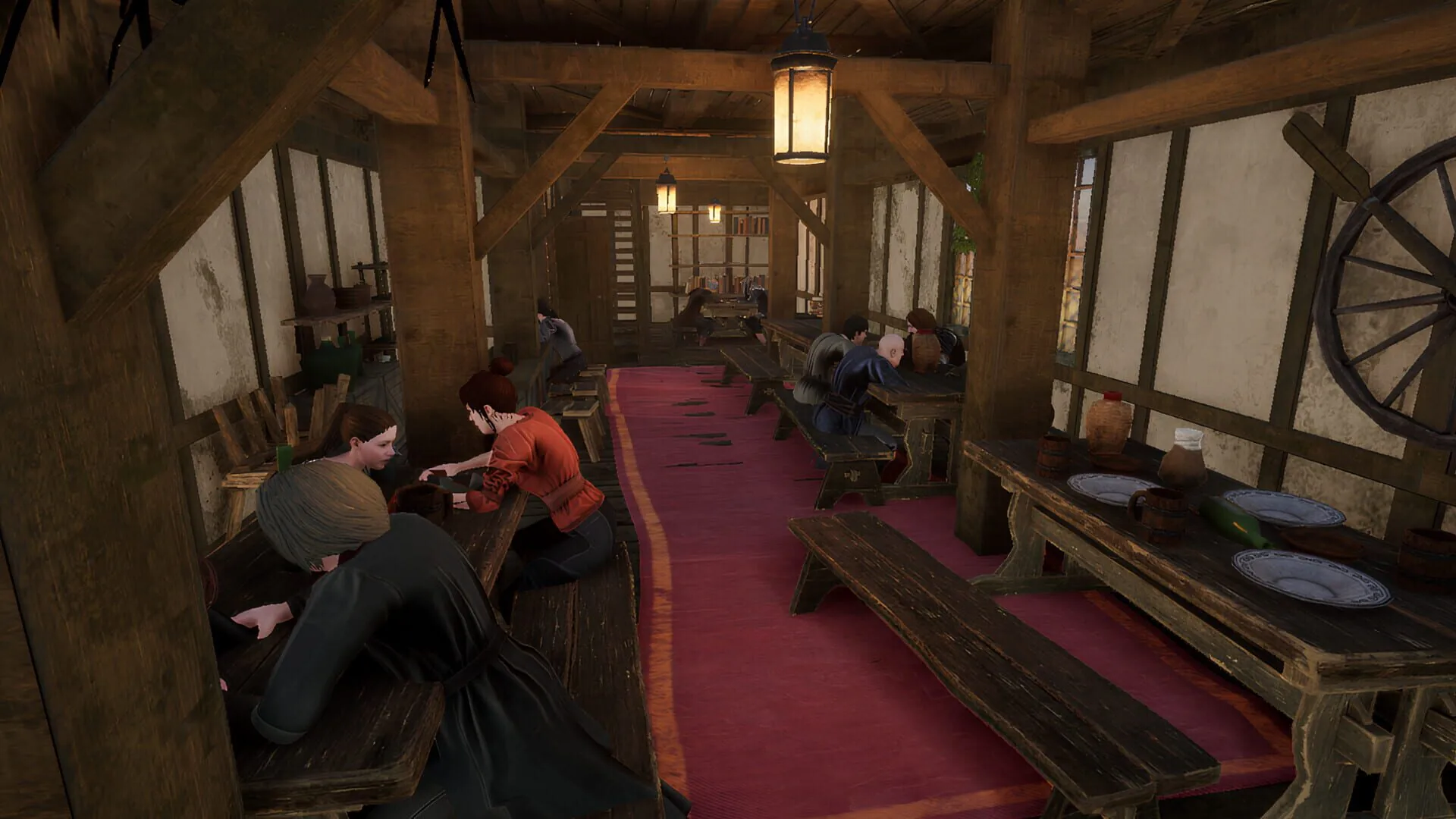
Medieval Tavern Simulator is an honest, warm tavern simulator, carried by a genuine search for atmosphere. Its classic management loop, tinged with musicians, dancers and social interactions that bring the room to life, offers an endearing cozy experience for whoever loves the contemplative pleasure of growing a welcoming place. The intention to favor atmosphere over mere optimization gives it a small personality, and in its good-natured medieval setting, there's plenty of pleasant time to spend pouring tankards and animating your tavern.
You just have to approach it with clear eyes. The genre is saturated, and despite its atmosphere asset, the game still struggles to clearly stand out from a numerous and sometimes deeper competition. Its early-access status also leaves questions of richness, content and longevity hanging, to confirm over the updates. It's a decent, likeable title, to reserve for genre fans not yet tired of it who love atmosphere over challenge, rather than for those seeking the definitive tavern simulator. A pleasant base, that needs to grow to truly stand out.
An honest, warm medieval tavern simulator that bets on atmosphere with its musicians and dancers, but struggles to stand out in a saturated genre and remains to be fleshed out in early access.
Strengths:
- A genuine search for atmosphere, musicians, dancers and a lively room
- A cozy, satisfying management loop for the fan
- A good-natured medieval charm, more contemplative than managerial
- An honest, endearing base
Weaknesses:
- A saturated genre where it struggles to clearly stand out
- An early access with richness and content still to confirm
- A risk of repetition once the tavern is developed
Tested on PC, in early access.
Disagree with the score? Come and tell us on the InsertCoins Discord, where we defend our verdicts live.