Most deaths in Way of the Sword do not come from a lack of reflexes. They come from misreading the defensive ladder: you block when you should have deflected, you deflect when you should have dodged, and you absorb a soul at the worst possible moment.
Here is what you need to have understood before the first real boss. Our full review is here if you are after an opinion instead.
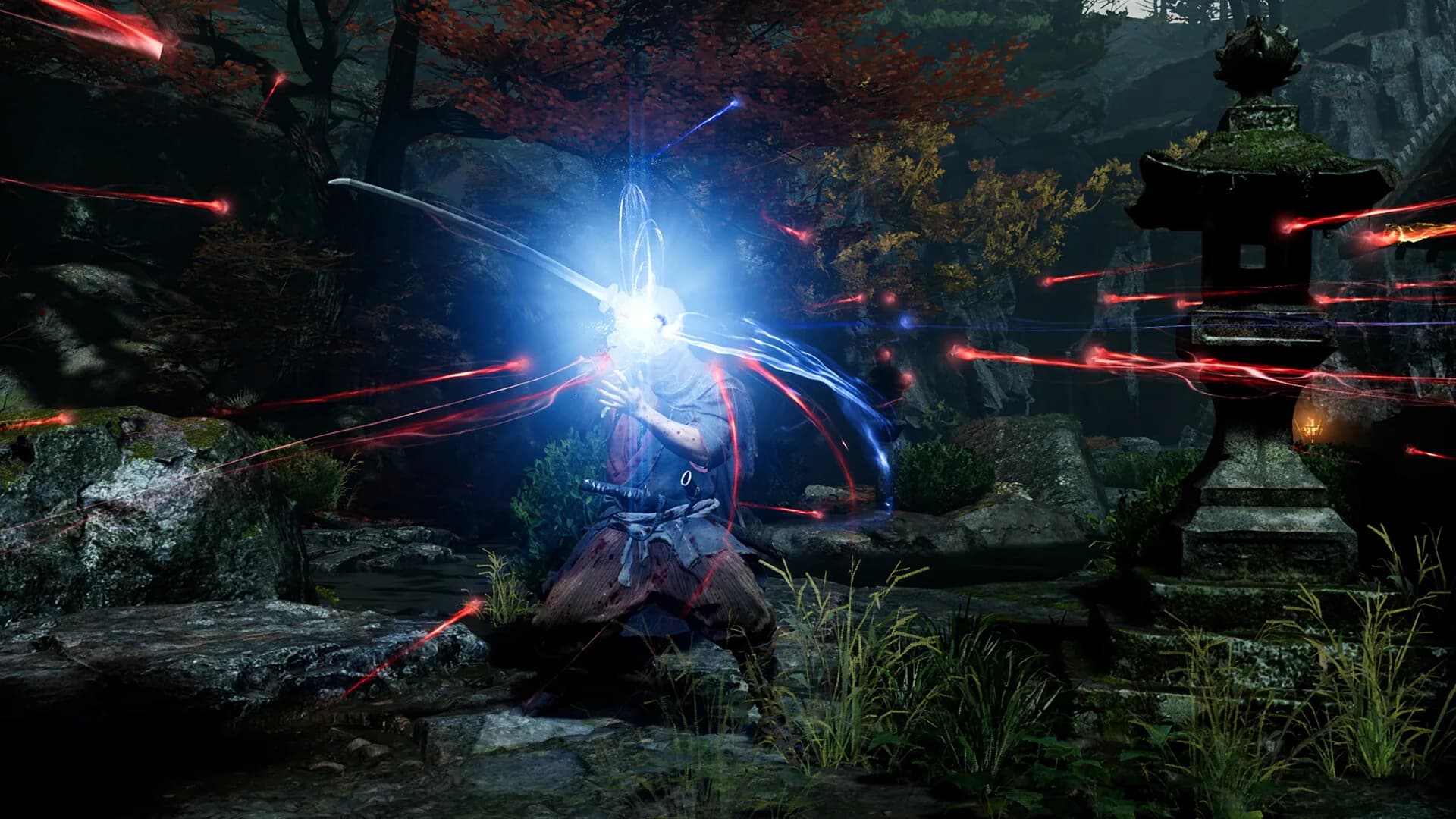
Learn this hierarchy, the whole game is inside it.
Parry is your safety net. Wide window, modest effect: you take no damage and chip at enemy stamina. A beginner survives on this, and there is no shame in starting there.
Reflex dodge is for leaving an area, not for winning an exchange. Useful against wide swings and charges, useless for building pressure.
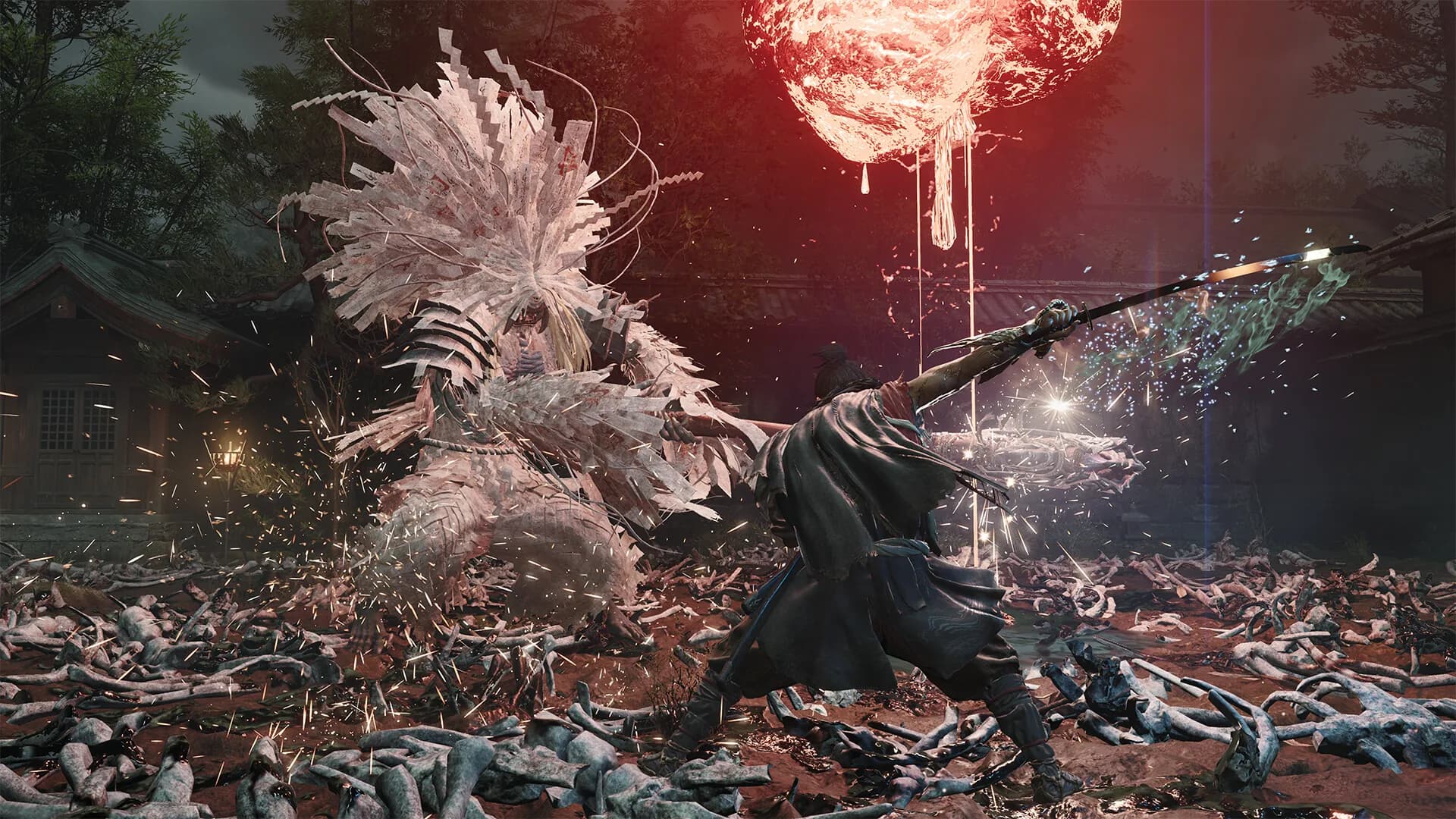
Deflect is the real mid-game tool. The window is tighter than parry, but it is the only way to answer unblockable attacks, the ones that go straight through a normal guard. As a bonus, it drains enemy stamina far faster, which opens the door to a finisher.
Issen is the summit. You do not block, you attack just before the enemy's blow lands. Landed, it kills most ordinary enemies outright. The window is narrower than anything else.
The classic beginner trap is wanting to learn Issen immediately. Do not. Spend an hour doing nothing but deflects on basic enemies, until you feel the rhythm of the animations. Issen is only a deflect placed a fraction earlier, with the attack button instead of the guard button.
Three concrete tips that work.
Watch the weapon, not the character. The trigger is the start of the attack animation, and it reads on the blade or claw that starts moving, not on the body.
Pick a slow enemy. Do not try Issen on a fast one at first. Take the heaviest in the group, the one that telegraphs everything, and use it as a training dummy.
Accept getting hit. A missed Issen costs you a blow taken, and that is the price of learning. One session spent missing Issen will teach you more than three hours of cautious parrying.
Later, an upgrade lets you chain several Issen in a row. Once you have it the game changes nature: instead of handling enemies one at a time, you erase a whole group by staying on the rhythm.
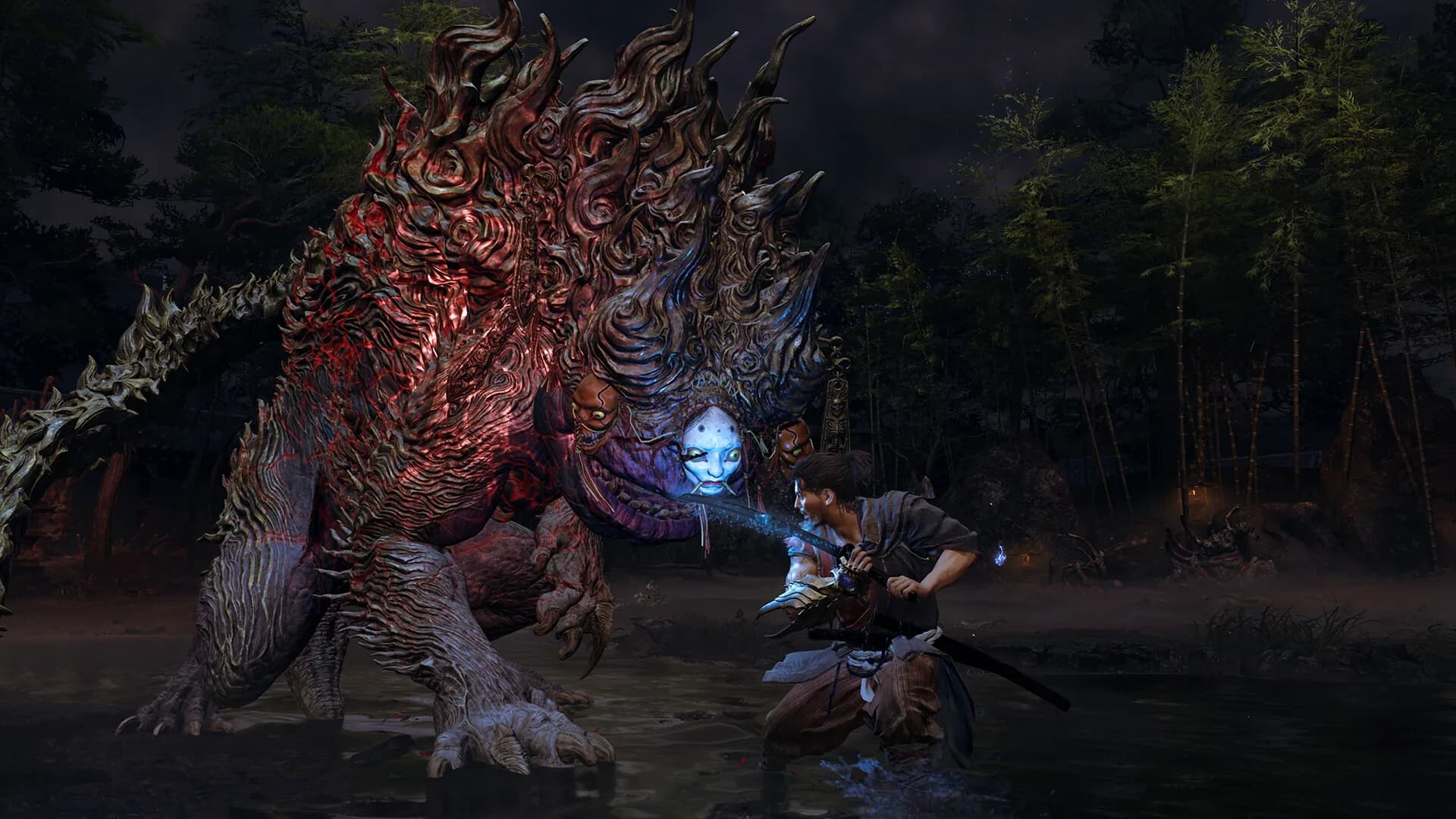
Do not aim at the health bar of large enemies, aim at their stamina.
Every successful deflect takes a substantial chunk out of it. When it reaches zero the opponent's posture collapses and you get a finisher opening, the best damage window in the game.
Against a boss, then, your plan is not to attack between two combos. Your plan is to stay in active defence, deflect everything that comes, and let their own aggression bring them to their knees.
It is a counter-intuitive reversal: in this game, the enemy who attacks a lot is the enemy who tires fastest.

Fallen Genma release souls that the Oni Gauntlet draws in.
The crucial point: absorbing slows you down and leaves you vulnerable. It is not free.
The rule I would suggest is simple. In combat, absorb only if the need is immediate, typically a health top-up when one enemy is left standing and they are far away. Otherwise finish the cleanup first and absorb afterwards.
Second habit: never leave an area without picking up what is lying around. Souls fund your progression, and a player who runs from room to room without gathering ends up under-equipped three chapters later.
The series has always colour-coded its souls, with one role for health, one for power and one for upgrades. Take thirty seconds in the first chapter to identify which does what in your build, and set your priorities accordingly.
Two allocation tips so you do not spread yourself thin.
Invest first in whatever widens your windows and your defensive options, not in raw damage. A player who deflects well kills faster than a player who hits hard, because the post-collapse finisher does more damage than any combo.
Then raise a single offensive path. The game offers variety, but a beginner who spreads everything evenly ends up mediocre at everything exactly when the real duels begin.
Musashi has a ranged weapon, and most players forget it.
It is not there for damage, it is there to manage geometry: interrupt a charging enemy, pull a lone one towards you, deal with an archer perched above while you are stuck below.
Get into the habit of opening an encounter by reducing the number of active opponents rather than charging in. A three-way fight that starts as a two-way is a different fight.
These are the game's best moments and its most punishing.
Three habits that change everything.
Forget dodging. A human opponent follows you. Deflect beats backing away.
Do not trade blow for blow. Take the whole sequence cleanly, then strike once. Two hits instead of one and you eat the follow-up.
Do not panic about phases. A boss that looks dead can start another phase. Keep your resources rather than spending everything on what you assume is the last bar.
The game alternates closed levels with a more open stretch of Kyoto, with side quests, secrets and materials to gather.
Two tips.
Search while the chapter is quiet. Coming back later is possible but costs time, and the game's rhythm pushes you onwards.
Pick up materials as you pass. Crafting demands them, and several players complain about having to backtrack for things they walked past without looking.
As we write, a share of PC players report crashes, notably at loading and after the first boss cutscene. Others flag the absence of key rebinding and controller recognition issues.
If you have not bought yet, try the demo, which exists and was expanded at the end of August. It is the simplest way to know whether your machine holds up before spending seventy euros.
And if you do crash, check first for the update available after installation: Capcom warned that additional data may need downloading after launch.
Blocking an unblockable attack. It goes through. You needed to deflect.
Trying Issen on everything. Save it for enemies whose animation you already know.
Absorbing in the middle of a group. That is how you die with a full health bar three seconds earlier.
Aiming at health rather than stamina on large opponents.
Charging into a group without using the bow. Reducing the number of active enemies before engaging is nearly always the right call.
An Issen timing that refuses to click, a boss humiliating you? Tell us on the InsertCoins Discord, we compare death counters without judging.