In The Left Behind, survival isn't improvised. With no save system and a permadeath that erases everything, every poorly prepared day can be the last. The game lets you explore and loot by day, then throws you into the dread of the hordes by night, in a loop where anticipation makes all the difference between the survivor and the corpse. This guide gathers the essentials to hold on: mastering the day-night cycle, looting efficiently, managing your vital needs, barricading and dealing with permanent death. For our full opinion on the game, head to the The Left Behind review.
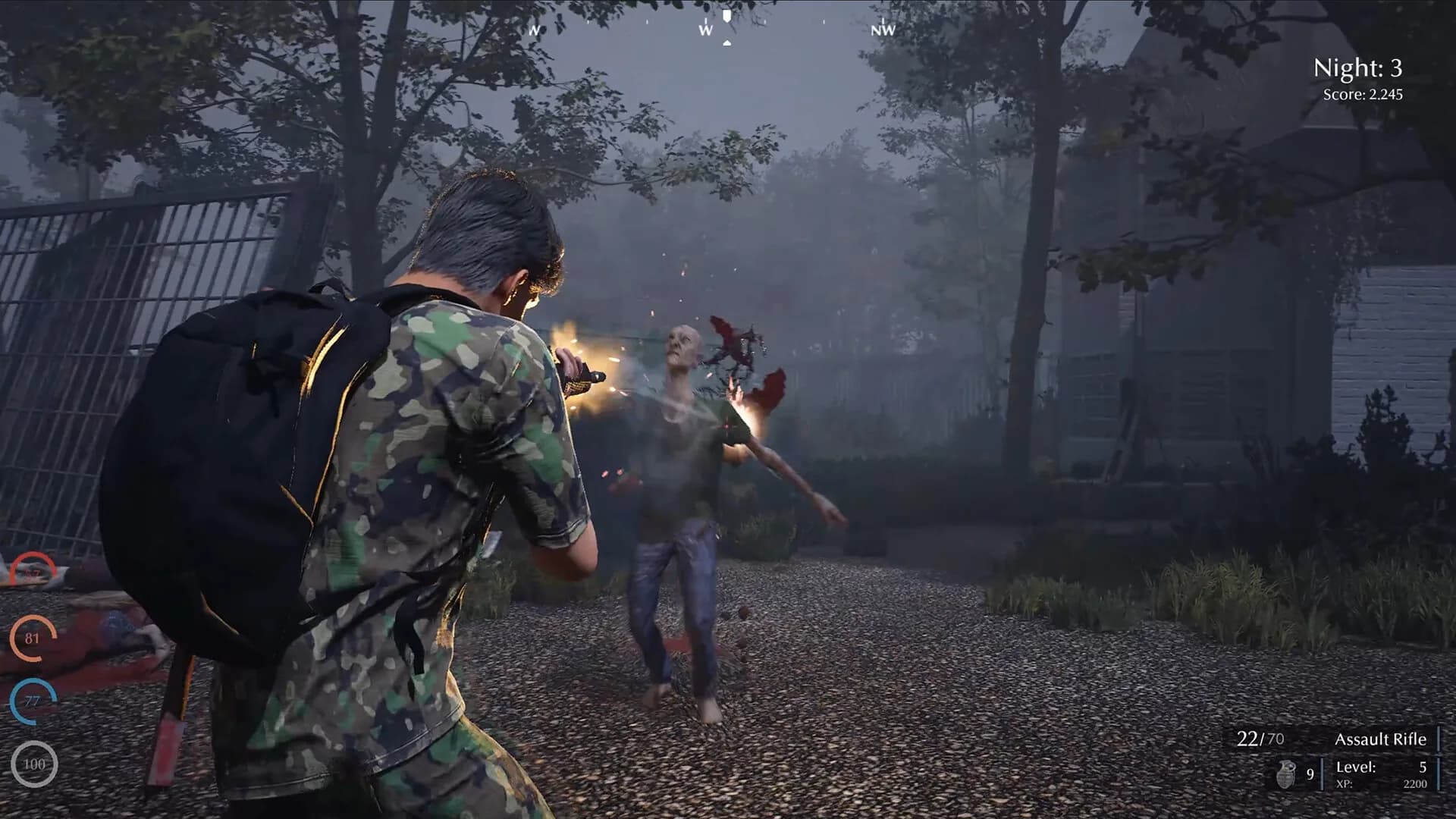
Understanding the game's rhythm is the first key to survival, because everything flows from it. Day is your window of freedom: it's the time to explore the open world, search the buildings and gather everything you'll need to hold on. Night, on the other hand, completely shifts the tone: hordes of enemies pour in, and you go from explorer to defensive survivor. Day plays like DayZ, in looting and exploration, night plays like Dying Light, in tension and survival.
The crucial point to internalize is that each night becomes harder than the last. Pressure rises continuously, which means you can't just survive day to day: you have to anticipate, accumulate resources and strengthen your defenses in preparation for ever more dangerous nights. So structure each day around a simple goal: get back before nightfall with enough food, water and gear to face what's coming. The survivor who manages their daytime poorly is already doomed when night falls.
Daytime looting is the crux of it all, and the good news is that every building can be searched. That opens a huge gathering ground, but also demands method: don't search at random, prioritize what you most vitally lack, namely food, water and defensive gear. Efficient exploration means spotting a sector, clearing it methodically building by building, then heading back rather than scattering across the whole map at the risk of being caught by nightfall far from your shelter.
Time management is your worst enemy here. Every minute spent exploring brings you closer to the nighttime danger, and you constantly have to arbitrate between pushing a bit further for better loot or heading back while there's still time. That dilemma, that tension between greed and caution, is at the heart of the game. Our advice: set yourself a return deadline and respect it, even if it means abandoning a promising building. A mediocre haul brought back to shelter is infinitely better than a treasure abandoned on a corpse. Systematically bring your finds back to your base before setting off again.
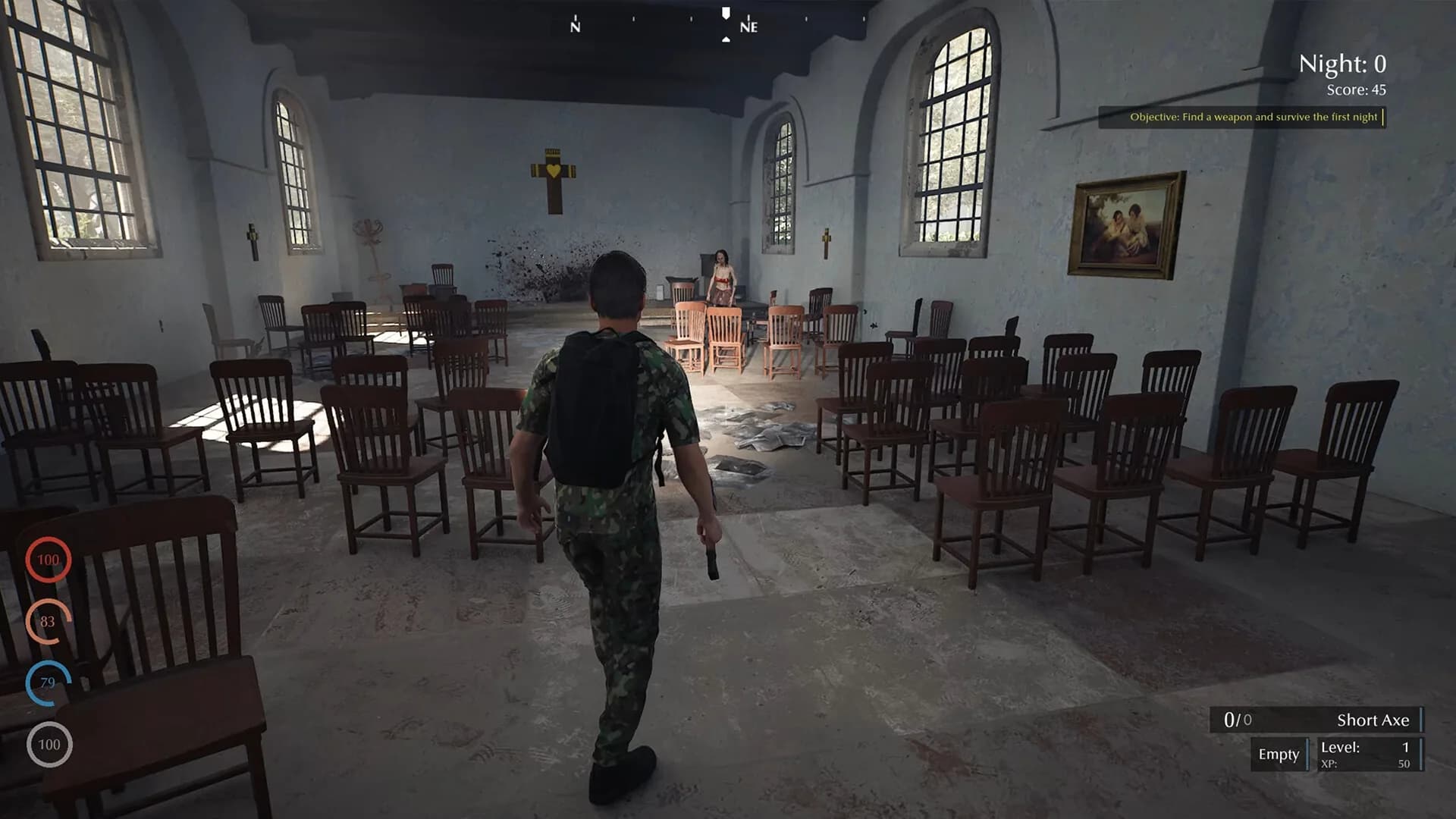
The Left Behind forces you to constantly watch three vital gauges: hunger, thirst and health. It's not a cosmetic detail, it's a constant constraint that structures each of your decisions. Food and water are therefore priority resources during your looting, on par with combat gear, and you must never let these gauges drop to the bottom, on pain of seeing your health degrade at the worst moment, usually in the dead of night facing a horde.
The golden rule is anticipation. Always build a reserve of food and water before night, because you won't be able to easily go back out once the hordes are outside. Ration intelligently: only consume what's needed to keep your gauges at a safe level, and keep a margin for the unexpected. Health, for its part, doesn't recover at the snap of a finger, so avoid pointless fights that chip away at it for nothing. Every avoided fight is preserved health, and in a game where death is permanent, preserving your health means preserving your whole progression.
Night is the moment of truth, and that's where your preparation pays off or costs you your life. The Left Behind offers light building elements you absolutely must use: barricade your windows to slow enemies, and store your loot in chests to keep it safe. These aren't full base-building systems, but they're enough to turn an exposed shelter into a defensible position. Devote the end of each day to reinforcing your refuge, because an unbarricaded window is an open invitation for the hordes.
The best nighttime survival strategy often remains stealth and stillness. Unless absolutely necessary, don't go out at night: stay in your barricaded shelter, manage your gauges and wait for daybreak. Every night sortie is a high-risk gamble, especially since the nights harden over the course of the game. If you must fight, do it in a space you control, where enemies can only come through accesses you've fortified. Think defense, not offense: your goal isn't to kill the whole horde, but simply to survive until morning.
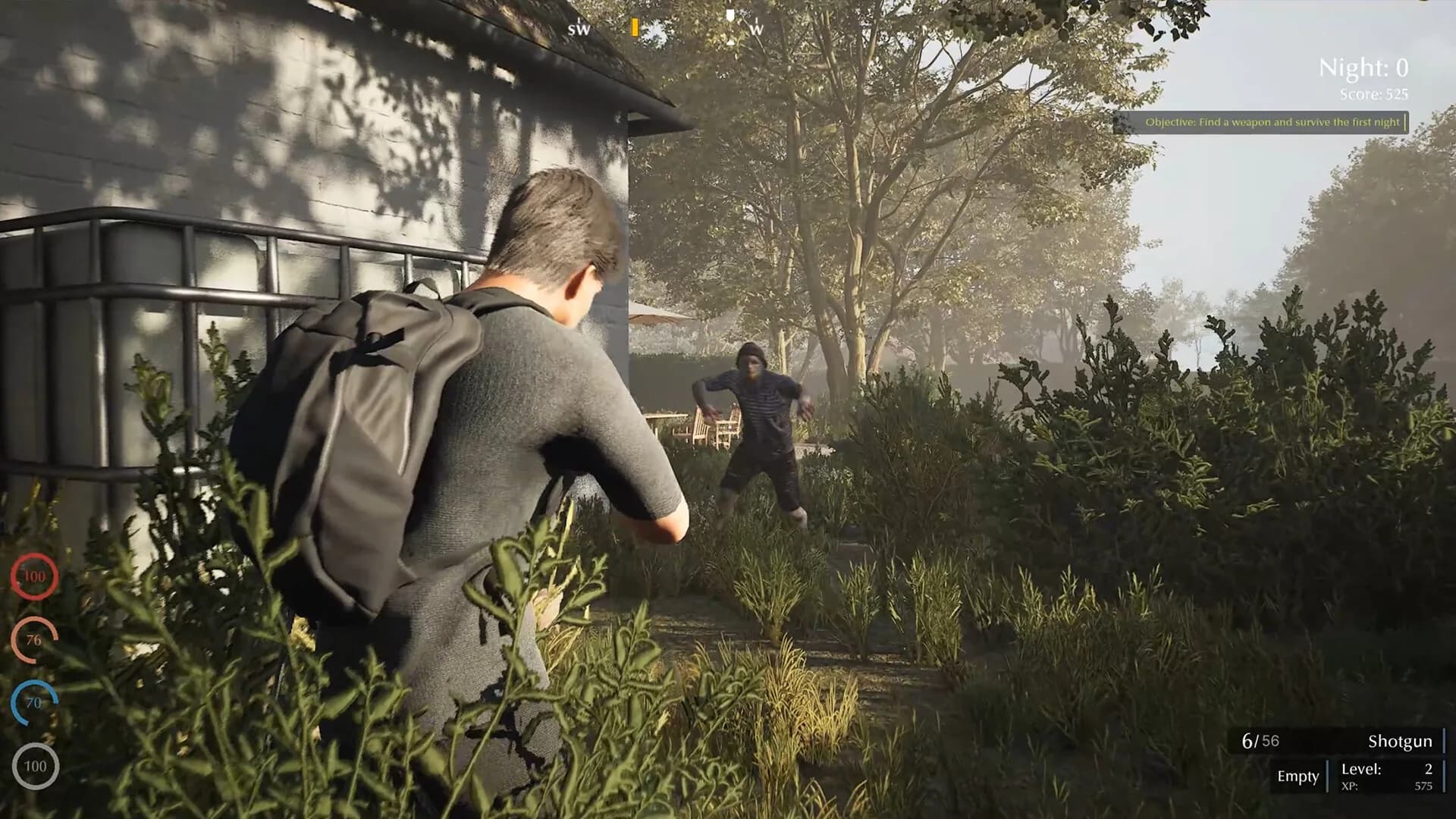
It's the game's most radical stance: there's no save system, and everything is built around permadeath. A death erases your progression, which must condition your whole way of playing. The direct consequence: play cautiously. Avoid reckless risks, don't push your luck for marginal loot, and always favor survival over performance. In The Left Behind, the patient, methodical player lives long, the reckless one dies fast and starts from scratch. Co-op is a precious asset here: with others, you share the tension, cover each other and split the looting and defense tasks.
The choice of mode matters too. Story mode is the heart of the game, but it's short, one to three hours, with light survival elements: it's the best gateway to discover the universe and mechanics without maximum pressure. Survival and horde modes are for those who want to push the tension and longevity further, while free exploration lets you roam the open world at your own pace. Choose based on your mood: learn the basics in story, then test your mastery in survival or horde once your reflexes are sharp. Whatever the mode, the rule stays the same: anticipate by day, survive by night, and never forget that here, death does not forgive.
How do you survive the night in The Left Behind?
Barricade your windows, store your loot in chests, stay in your shelter and avoid going out. Nights harden, so reinforce your defenses each day before nightfall.
Is there a save system?
No, the game has no save system and relies on permadeath. A death erases your progression, hence the importance of playing cautiously.
What should you loot first?
Food, water and defensive gear, because you constantly have to watch your hunger, thirst and health gauges. Every building can be searched.
Which mode should you pick to start?
Story mode, short but ideal to learn the mechanics, before moving to survival or horde modes for more challenge and longevity.
Can you play co-op?
Yes, The Left Behind can be played solo or in co-op, and playing with others greatly eases survival by sharing looting, defense and tension.
Guide written based on the PC version.
Found something better? Come and improve this guide on our Discord.