There is an empty slot between strategy games and action games, and almost nobody goes to fill it.
On one side you command armies from an imaginary sky, with a view that does not exist. On the other you play a warrior who decides nothing. Darkmatter Games calls its answer immersive strategy, and this is the second game they have devoted to it.
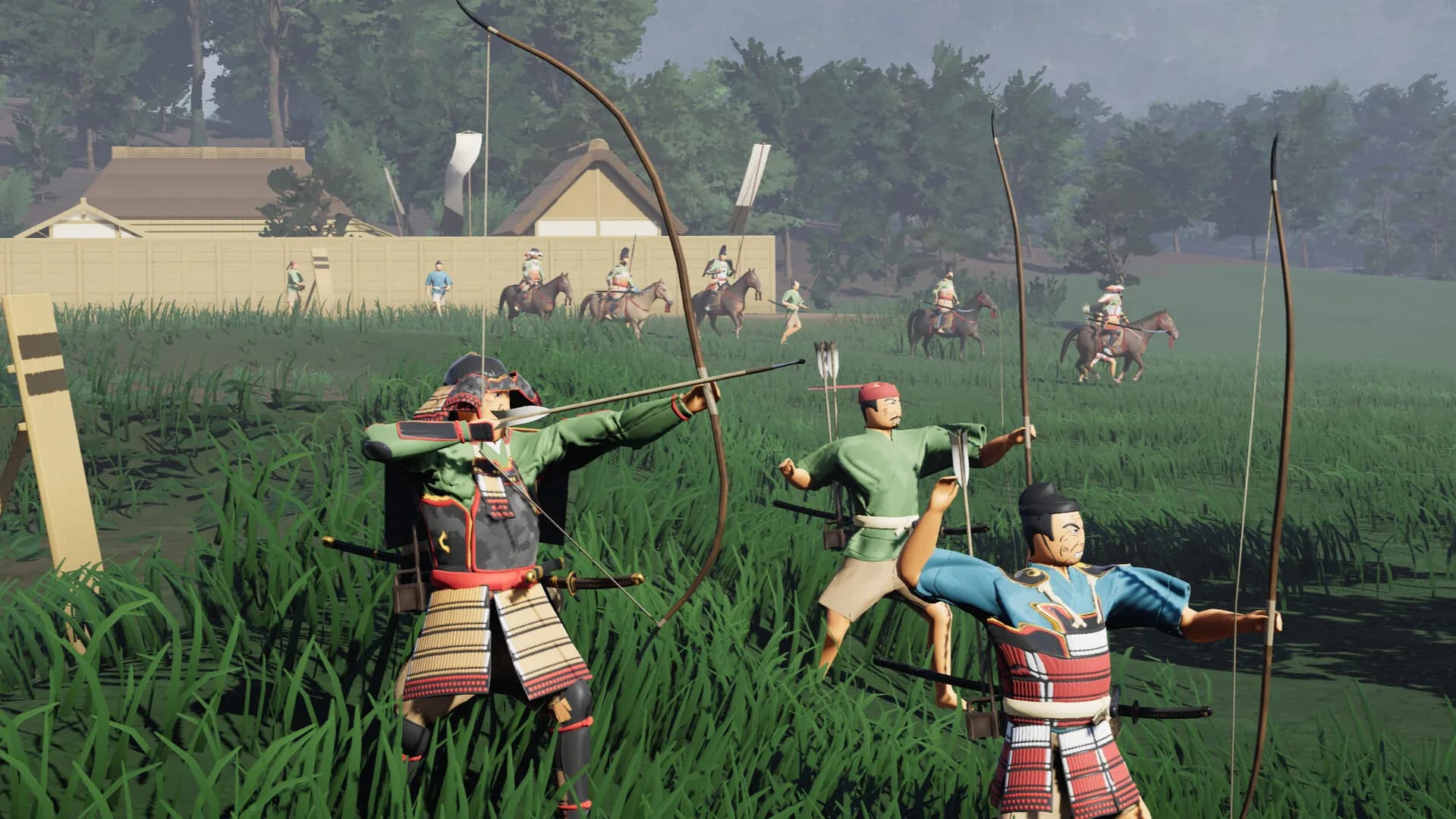
You are a warlord charged by the Emperor with conquering an entire island and saving a regime on the edge of collapse.
You lead an army, build your camp, take villages and forts, harass enemy forces. All of it without ever leaving your own body. No overhead view, no floating tactical map: you see what your character sees.
And when a battle turns, you do not observe, you charge. You fight in real time alongside the warriors you recruited.
That choice has a consequence I find fascinating: information becomes a resource. From a hill you see far. In a forest you do not know what is coming. Reconnaissance is no longer a button, it is a journey.
That is the detail that made me sit up.
Awaji exists, an island in the Seto Inland Sea, and the studio rebuilt it from real heightmap data, with dozens of temples and shrines that genuinely exist.
That would only be trivia if it did not change the game, but it does. Real terrain is not balanced like a level: there are passes that force you through, valleys that trap you, ridges that offer a commanding view of a road. You are not playing on a map designed for you, you are playing on a geography that does not care about you.
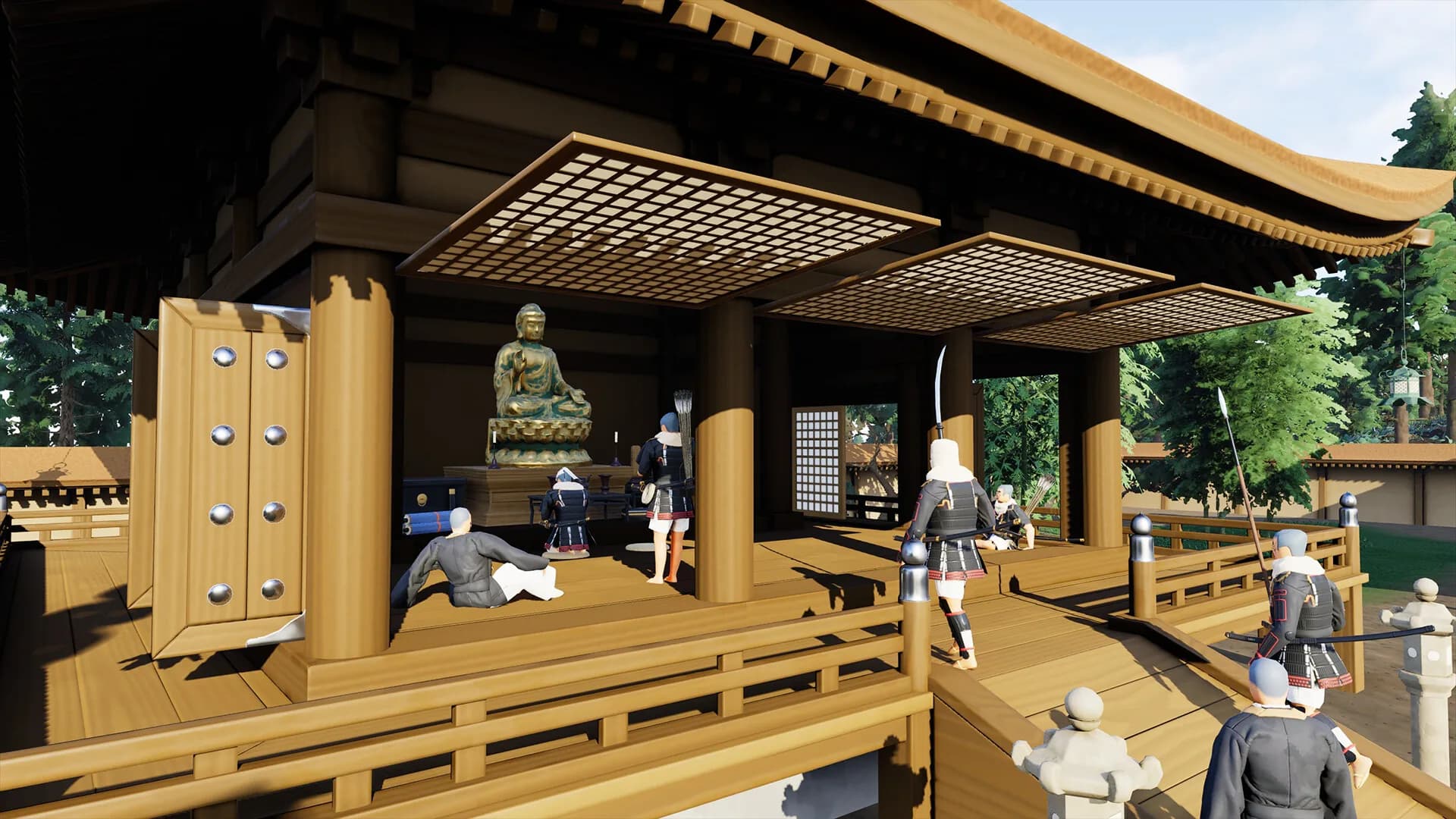
The roads are travelled in real time by civilian convoys and roaming warrior bands. Local clans react to what you do, and they react badly.
Three systems structure the conquest.
Strongpoints. Hitting the right places weakens enemy quick-reaction forces, which opens windows elsewhere.
Shrines. Capturing a rival clan's boosts your spiritual aura and harms theirs. That is an unusual war resource, and it makes religious plunder strategically profitable, which poses exactly the kind of question a game about war ought to pose.
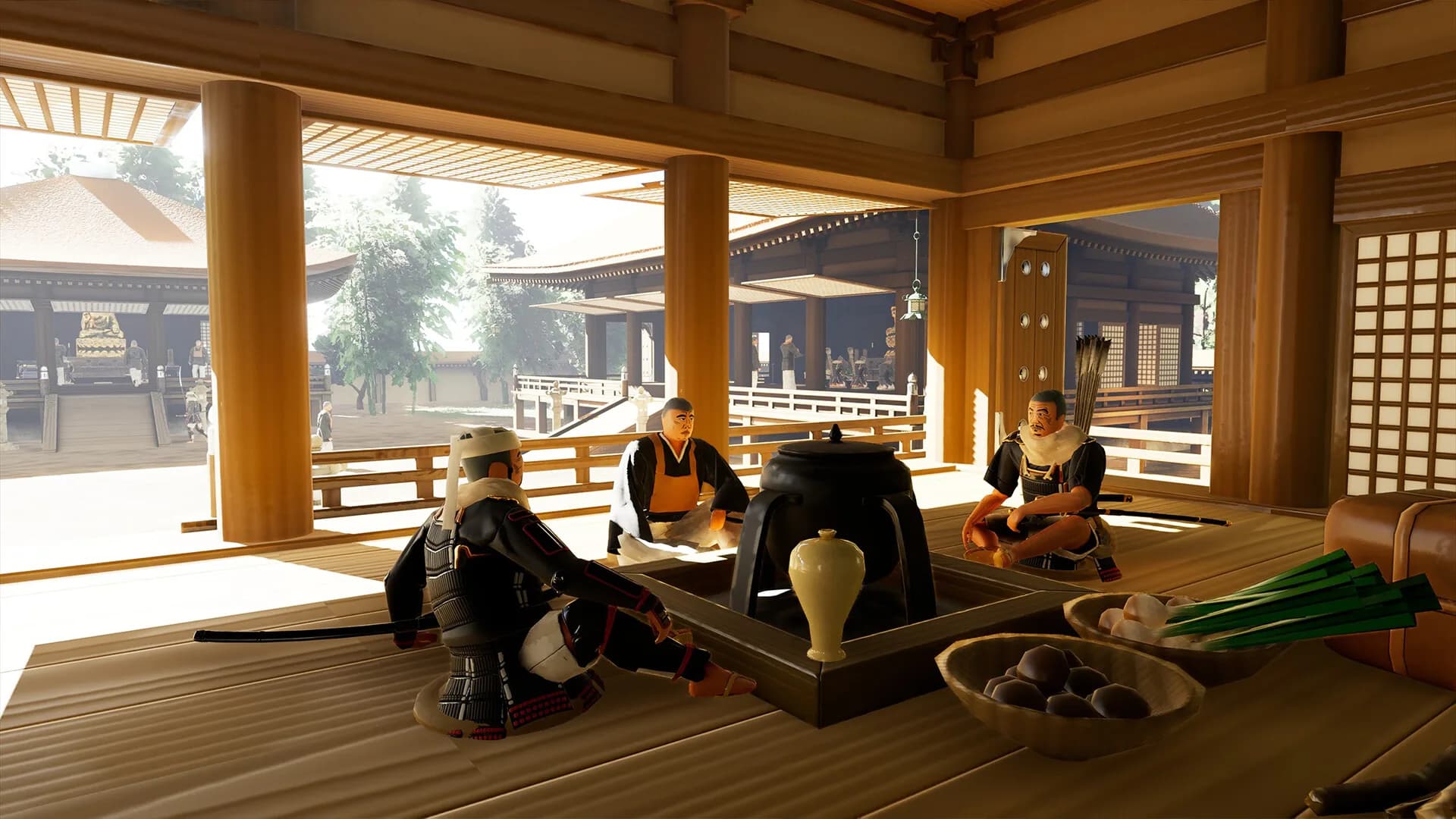
Warrior monks. These esoteric orders can curse your enemies and coordinate coalition attacks. This is the game's diplomacy, with a vocabulary of its own.
This is where the game becomes personal.
You recruit and maintain a retinue of samurai. Each individual carries a unique name and gains experience through heroic action. Conquered land serves to promote leaders and raise your army's capacity, and you organise your battle formation as you like, by drag and drop.
Your best warriors get the best weapons and armour, which makes them more lethal, which makes you dependent on them, which makes their deaths expensive.
It is the old Mount and Blade trick and it still works: you are not defending a unit, you are defending somebody.
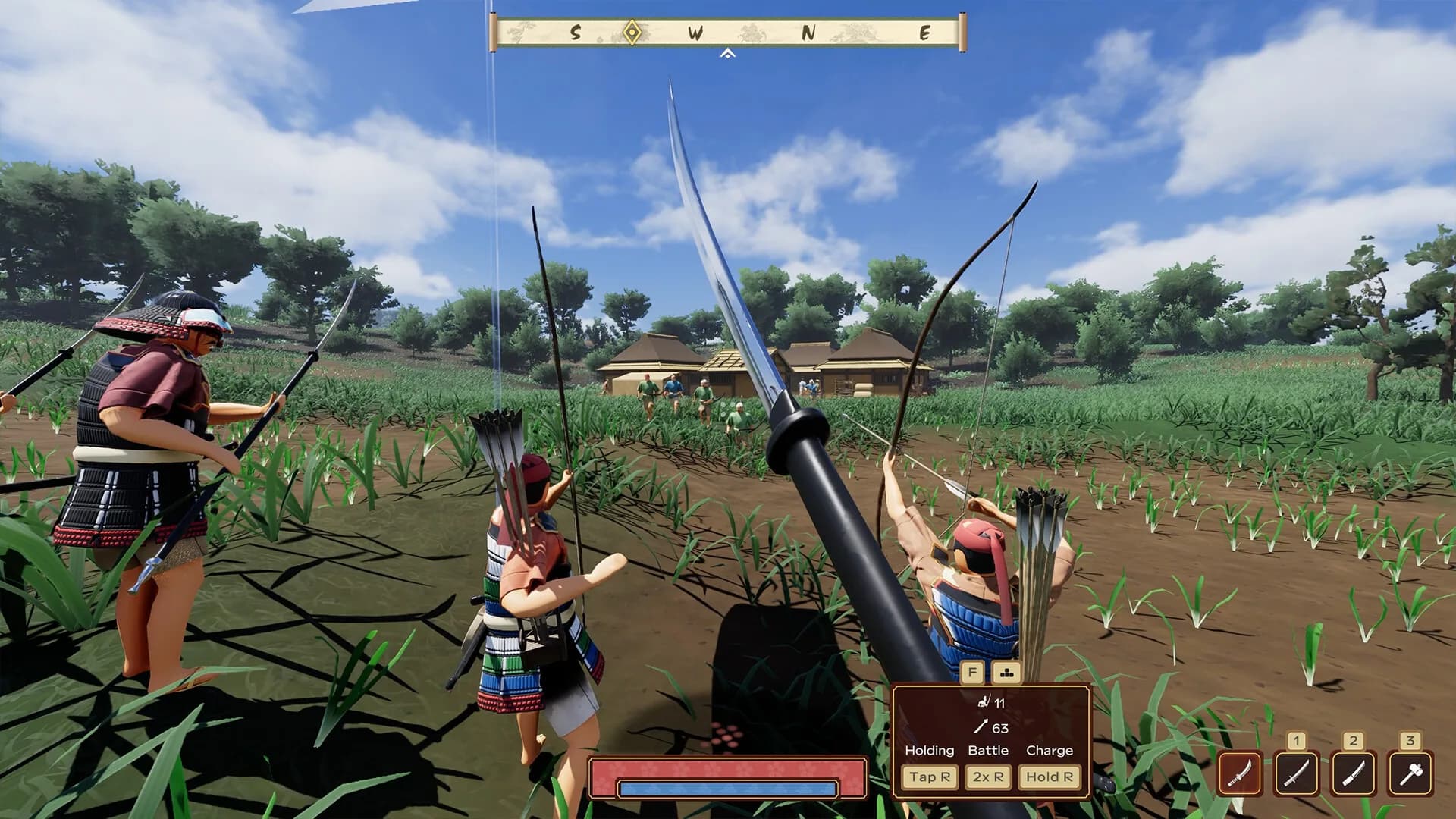
The game launches today, developed and published by Darkmatter Games, with no reviews yet, and single-player only.
You should know the house before buying: this is a tiny studio, whose first Warlord was already a rough object, technically modest and perfectly singular. You do not buy this for the finish, you buy it because nobody else is doing it.
The accessibility options are surprisingly generous for a game this size: adjustable text size, colour alternatives, adjustable difficulty, save anytime.
My main reservation is repetition. A whole island to conquer means a lot of forts that resemble each other, and that is the formula's natural risk. Still, for the first several hours there is no equivalent: commanding a battle from the saddle rather than from the sky is not available anywhere else.
How many battles has your best samurai survived? Obituaries are shared on the InsertCoins Discord.